
👑 The Emperor's Obsession: Did Qin Shi Huang Really Seek the Elixir of Immortality?
Analyzing the historical evidence: From Taoist alchemists and naval expeditions to recently unearthed archaeological documents, the desperate quest for eternal life by China's first Emperor.

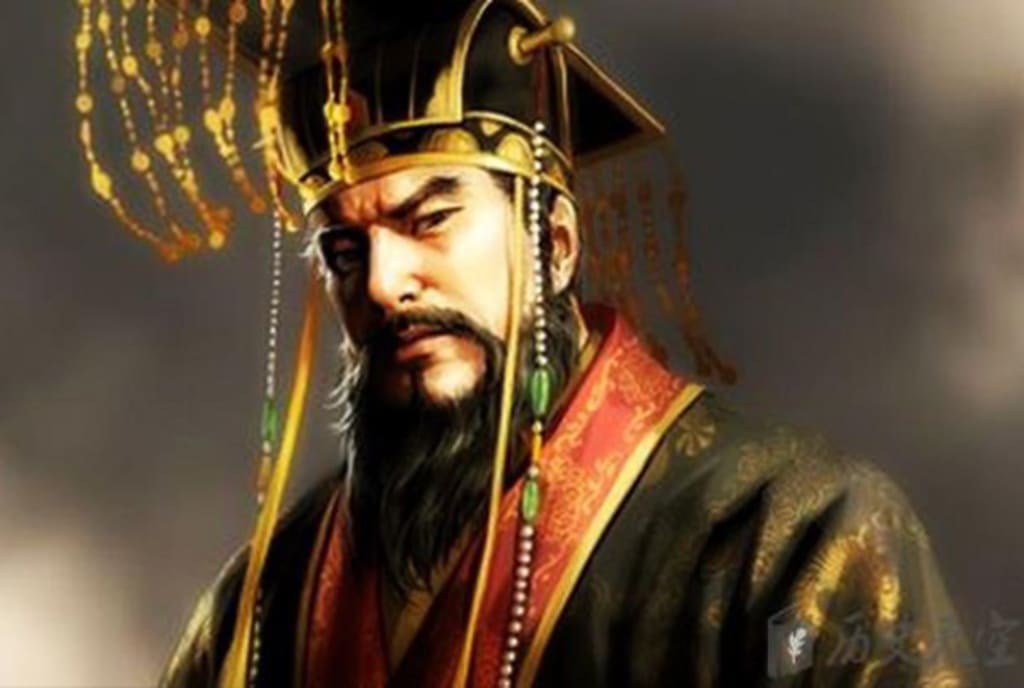
Qin Shi Huang (259–210 BC), the fierce, brilliant, and megalomaniacal founder of the Qin Dynasty, is celebrated in history for unifying China, standardizing weights and measures, and initiating the construction of the Great Wall. Yet, arguably his most compelling, and tragically ironic, pursuit was his desperate quest for immortality.
This ambition wasn't merely a fleeting interest; it was a decades-long, state-sponsored obsession that consumed vast resources, influenced imperial policy, and ultimately defined the final years of his reign. While the tale of the Emperor’s quest for an "Elixir of Life" has long been romanticized, concrete historical and archaeological evidence confirms the stunning scope and intensity of his frantic search for eternal existence.
The Historical Record: Accounts from Sima Qian
The primary historical evidence comes from the Records of the Grand Historian (Shiji), compiled by the Han Dynasty historian Sima Qian approximately a century after Qin Shi Huang’s death. Sima Qian detailed the Emperor’s increasing paranoia and desperate measures as he aged:
The Appeal to Alchemists and Magicians: Qin Shi Huang famously surrounded himself with fangshi (alchemists, shamans, and occultists) who claimed to possess the knowledge to synthesize the elixir or locate the legendary "Isles of the Immortals" where the herbs of eternal life grew.
The Expedition to the East: The most dramatic proof of this obsession was the commissioning of vast naval expeditions. The most famous was led by Xu Fu, who requested large numbers of youths and maidens, along with craftsmen and provisions, to sail into the Eastern Sea to find the mythical Mount Penglai, the dwelling place of the Immortals. Sima Qian notes that this expedition, though likely never returning, represented an enormous drain on imperial resources—a cost only justifiable by the supreme importance the Emperor placed on the quest.
The Tyranny of Fear: As the Emperor's health declined, his obsession turned darker. He became terrified of death and anyone who reminded him of it. Sima Qian records that those who failed to deliver the elixir were often executed, further highlighting the life-or-death seriousness of the mission.
Archaeological Confirmation: The Liye Scrolls
While Sima Qian provided the narrative, 21st-century archaeology has delivered irrefutable documentary proof of the bureaucratic scale of the search:
In 2002, archaeologists discovered the Liye Qin Jiance (bamboo slips) in Hunan province. These slips contain official government documents from the Qin Dynasty. Among them was a remarkable edict—an imperial decree issued by Qin Shi Huang specifically asking officials across the entire empire to report back on any local herbs, minerals, or methods that could grant immortality.
Bureaucratic Reach: The slips contain replies from various regions, including a defensive response from a locality called Duxiang, where the local officials admitted they had not yet found a magical herb but were continuing their search. Another reply suggests a mountain region had offered a plant.
Mandate of State: The presence of this decree within the official administrative records confirms that the search for the elixir was not just a personal hobby but a genuine, state-mandated directive integrated into the rigid structure of the newly unified empire. The Emperor expected detailed, official reports on the progress of the eternal life project, just as he would for tax collection or military logistics.
The Ironic End: Death by Elixir
The final and most tragic evidence of the Emperor’s obsession lies in the likely cause of his death. Historical accounts suggest that in his later years, Qin Shi Huang consumed various concoctions prepared by court alchemists. These "elixirs" often contained high levels of mercury—a common ingredient believed to have mystical properties that could bestow immortality because of its liquid, silvery nature.
The Emperor likely died in 210 BC not from natural causes, but from mercury poisoning brought on by the very substances he believed would guarantee his eternal life. This serves as the ultimate, bitter irony of his ruthless pursuit.
Conclusion: The Defining Obsession
The evidence is overwhelming. From the detailed chronicles of Sima Qian regarding the vast sea expeditions and the execution of failed alchemists, to the bureaucratic reality confirmed by the Liye bamboo slips, Qin Shi Huang's quest for immortality was perhaps his most defining—and ultimately most futile—act.
His tireless efforts to command nature and death itself parallel his efforts to command the entire Chinese world. While he succeeded in unifying the Middle Kingdom, his failure to conquer mortality led to his untimely demise and, soon after, the collapse of the dynasty he so desperately wished to last for ten thousand generations.
About the Creator
Author’s Advice
If you would’ve asked me 20 years ago did I know I’d become a writer and an author, I would’ve said “nope, ain’t happening”. As fate would have it I did become an author and I can honestly say I’m loving it so far. It really does feel good to be a writer. I’ve learned a lot on this journey and I feel like with even me being as new to this world as I am, there’s some wisdom I need to share with every other aspiring author.
By Joe Patterson5 days ago in Journal



Comments
There are no comments for this story
Be the first to respond and start the conversation.