
The Economic Value of Industrial Pyrolysis
Harnessing Heat: Unlocking the Value of Waste with Pyrolysis

In recent years, pyrolysis has emerged as one of the most promising technologies for sustainable waste management and renewable energy production. By thermally decomposing organic and synthetic materials at high temperatures in the absence of oxygen, pyrolysis transforms waste into valuable resources, including bio-oil, syngas, and char. With the advancement of industrial pyrolysis machines, this technology has transitioned from a laboratory curiosity to a viable commercial solution, offering both environmental and economic benefits.
Turning Waste into Revenue Streams
One of the most significant advantages of pyrolysis is its ability to convert waste into profitable products. For example, plastic waste, rubber tires, and biomass can be processed using a pyrolysis machine to generate fuel oil, carbon black, and combustible gas. These products have a variety of industrial applications:
- Pyrolysis oil can be refined and used as a renewable fuel alternative.
- Syngas can power electricity generation or industrial processes.
- Carbon black serves as a raw material in rubber and pigment production.
By turning what was previously considered waste into valuable commodities, businesses can create new revenue streams while addressing environmental challenges. For industries handling large volumes of waste, the financial impact of installing a pyrolysis machine can be substantial.
Reducing Costs Through Resource Recovery
Investing in a pyrolysis machine doesn’t just create income—it also reduces operational costs. Companies often face high expenses for waste disposal, transportation, and environmental compliance. By using pyrolysis technology, many of these costs can be mitigated:
- Waste is reduced by up to 90%, minimizing landfill fees.
- Recovered fuel can replace part of the company’s energy purchases.
- Byproducts like carbon black can be sold or reused internally.
This dual benefit of cost reduction and resource recovery makes pyrolysis an attractive option for industries ranging from manufacturing to agriculture.
Case Studies: Industrial Pyrolysis in Action
Across the globe, industrial pyrolysis machines are proving their value. Some notable examples include:
1. Plastic Waste Management in Asia
In countries like China and India, pyrolysis plants are converting thousands of tons of plastic waste annually into fuel oil and syngas. This not only helps reduce the growing plastic pollution problem but also generates significant revenue for plant operators.
2. Tire Recycling in Europe
European companies are adopting pyrolysis machines to recycle end-of-life tires, producing carbon black and fuel oil. The recovered carbon black is used in manufacturing new tires and inks, creating a closed-loop production cycle.
3. Biomass Energy Production in North America
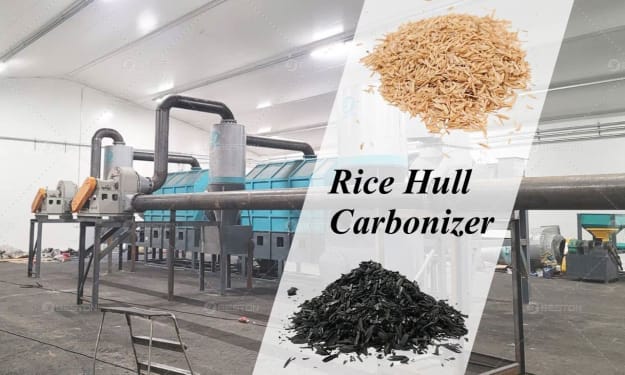
Agricultural waste such as corn stalks, wood chips, and rice husks is being processed in pyrolysis machines to produce biochar and syngas, which are then used as renewable energy sources, helping farms reduce energy costs and improve soil health.
Market Potential and Global Trends
The global market for pyrolysis technology is expanding rapidly. Analysts predict that the industrial pyrolysis market could reach several billion dollars within the next decade, driven by:
- Increasing environmental awareness and regulations against landfills.
- Government incentives and subsidies for clean energy technologies.
- Growing demand for renewable fuels and sustainable industrial processes.
Investing in a pyrolysis machine today is not just about managing waste—it’s a strategic economic decision that positions companies at the forefront of sustainable innovation.
Conclusion
Industrial pyrolysis is transforming the way we think about waste. By utilizing pyrolysis machines, companies can turn waste materials into valuable products, reduce operational costs, and contribute to environmental sustainability. The technology represents a win-win scenario: businesses gain economic value while society benefits from reduced pollution and more efficient resource use.
As more industries adopt pyrolysis and as technology continues to improve, the economic and environmental impact of industrial pyrolysis will only grow, cementing its place as a cornerstone of the future green economy.
About the Creator
How Modern Fintech Platforms Are Built: Architecture Behind Digital Finance
Abstract The rapid growth of financial technology has reshaped how digital financial services are designed and delivered. Modern fintech platforms must support secure transactions, real-time processing, regulatory compliance, and global scalability. This article explores fintech platform architecture and the technological foundations that support digital finance infrastructure. It analyzes microservices architecture in fintech applications, API driven banking systems, cloud-based fintech platforms, and scalable fintech systems that power modern financial services. By examining the fintech technology stack and financial software engineering practices behind these systems, this article provides an in-depth perspective on how modern fintech platforms are built to deliver reliable, secure, and efficient digital financial experiences.
By Lucas Wadeabout 11 hours ago in Journal



Comments
There are no comments for this story
Be the first to respond and start the conversation.