
The Difference Between SEM and SEO: A Comprehensive Guide
SEM & SEO

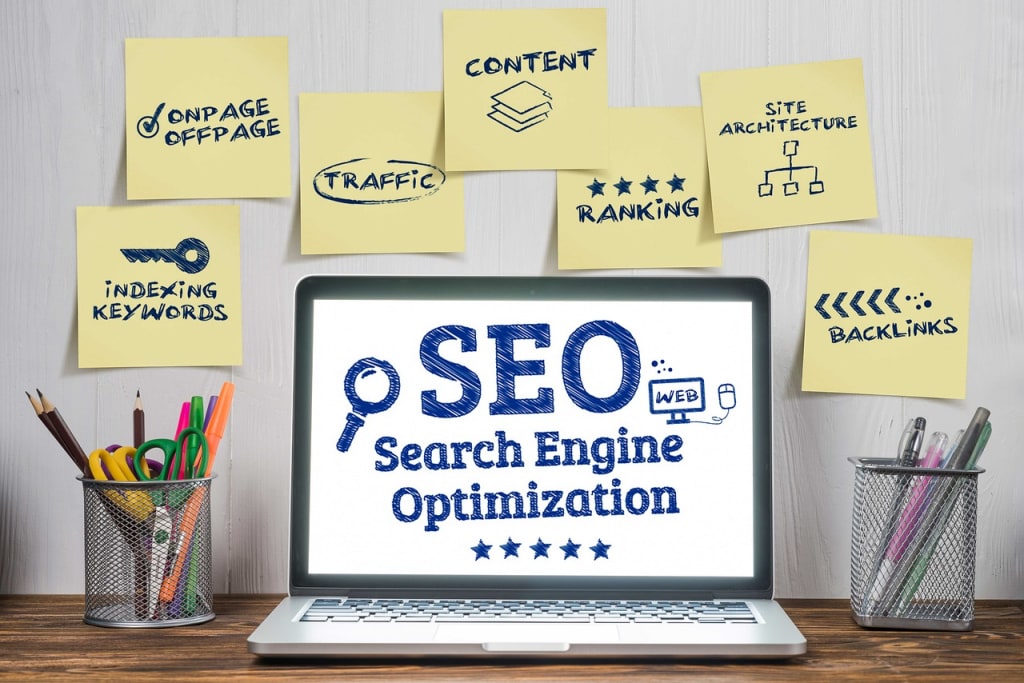
In the digital marketing world, SEM (Search Engine Marketing) and SEO (Search Engine Optimization) are two powerful strategies used to increase a website's visibility on search engines like Google. While both aim to drive traffic to a website, they differ significantly in their methods, goals, and outcomes. Understanding the difference between SEM and SEO is crucial for businesses looking to develop a successful online presence. In this article, we’ll explore these two strategies in detail, highlight their key differences, and help you determine which approach might be best for your business.
What is SEO?
Search Engine Optimization (SEO) is the process of optimizing a website to improve its organic (unpaid) visibility on search engine results pages (SERPs). SEO focuses on making a website more attractive to search engines through various on-page and off-page tactics, intending to rank higher for specific keywords or phrases.
Key Components of SEO
On-Page SEO
- Content Optimization: Creating high-quality, relevant, and valuable content that meets user intent and includes target keywords naturally.
- Keyword Research: Identifying and targeting the most relevant keywords for your content and audience.
- Meta Tags: Optimizing title tags, meta descriptions, and header tags to improve click-through rates (CTR) and search engine understanding of your content.
- Internal Linking: Linking to other relevant pages within your site to help search engines crawl and understand your site structure.
Off-Page SEO
- Backlink Building: Acquiring high-quality backlinks from reputable websites to increase your site's authority and trustworthiness.
- Social Signals: Using social media engagement as an indirect factor that can influence search rankings.
Technical SEO
- Site Speed Optimization: Ensuring your website loads quickly to enhance user experience and improve rankings.
- Mobile-Friendliness: Make sure your site is responsive and accessible on all devices, particularly mobile phones.
- Crawling and Indexing: Ensuring search engines can effectively crawl and index your site’s pages.
Benefits of SEO
- Cost-Effective: Since SEO focuses on organic traffic, it does not require paying for clicks, making it a cost-effective long-term strategy.
- Sustainable: SEO provides long-term results, with optimized content continuing to drive traffic well after it’s published.
- Trust and Credibility: Websites that rank organically are often perceived as more credible by users.
What is SEM?
Search Engine Marketing (SEM) is a broader digital marketing strategy that includes both paid and organic tactics to increase a website's visibility on SERPs. However, in most contexts, SEM specifically refers to paid search advertising, where businesses pay to appear at the top of search results for specific keywords.
Key Components of SEM
Paid Search Ads
- Pay-Per-Click (PPC): A model where advertisers pay a fee each time their ad is clicked. Google Ads is the most common platform for PPC campaigns.
- Ad Auction and Bidding: Advertisers bid on keywords, and their ads appear in search results based on their bid amount and quality score.
- Ad Copy and Landing Pages: Creating compelling ad copy and relevant landing pages to maximize conversions from paid traffic.
Campaign Management
- Keyword Targeting: Selecting and bidding on keywords that are relevant to your business and likely to drive conversions.
- Budget Allocation: Managing ad spending to ensure that campaigns stay within budget while maximizing return on investment (ROI).
- Performance Tracking: Using analytics to monitor ad performance and make data-driven adjustments to improve results.
- Remarketing
- Targeting Past Visitors: Using SEM to show ads to users who have previously visited your website, encouraging them to return and convert.
Benefits of SEM
- Immediate Results: Unlike SEO, which can take months to show results, SEM can drive traffic to your site almost instantly.
- Precise Targeting: SEM allows you to target specific demographics, locations, and times of day, ensuring your ads reach the right audience.
- Scalability: SEM campaigns can be scaled up or down quickly based on performance and budget.
Key Differences Between SEM and SEO
Cost
- SEO: Focuses on organic traffic, which is free, but requires time, effort, and potential investment in tools and expertise. It’s a long-term investment that pays off over time.
- SEM: Involves paying for traffic through ads, with costs varying based on keyword competition. SEM delivers quick results but requires ongoing investment.
Timeframe
- SEO: Requires a longer time frame to see significant results, often taking several months to build momentum.
- SEM: This can deliver immediate visibility and traffic, making it ideal for short-term goals or time-sensitive campaigns.
Sustainability
- SEO: Offers sustainable results that continue to drive traffic as long as the site remains optimized and relevant.
- SEM: Traffic stops as soon as you stop paying for ads, making it less sustainable in the long term.
Placement on SERPs
- SEO: Organic listings appear below the paid ads in the search results and are determined by the search engine’s algorithm.
- SEM: Paid ads typically appear at the top or bottom of the search results, marked as "Ad" or "Sponsored."
Trust and Credibility
- SEO: Organic results are often perceived as more credible by users, as they are earned rather than paid for.
- SEM: While effective, paid ads may be viewed with more skepticism by some users, especially if they recognize the ad label.
Targeting and Flexibility
- SEO: Targets a broad audience through content that answers user queries, but offers less immediate control over who sees your content.
- SEM: Offers precise targeting options, allowing advertisers to control exactly who sees their ads, when, and where.
When to Use SEO vs. SEM
SEO is Best For:
- Long-Term Growth: If you’re looking to build a sustainable online presence that drives traffic over time, SEO is the way to go.
- Budget-Conscious Strategies: If you have limited funds, investing in SEO can provide ongoing benefits without the need for continuous ad spend.
- Building Authority: If your goal is to establish your website as an authority in your industry, focusing on SEO can help you achieve this through high-quality content and backlinks.
SEM is Best For:
- Immediate Results: If you need quick traffic and leads, SEM is ideal because of its ability to deliver results almost instantly.
- Time-Sensitive Campaigns: For events, promotions, or product launches where timing is crucial, SEM can ensure you reach your audience when it matters most.
- Highly Competitive Niches: In markets where organic rankings are difficult to achieve, SEM can give you the visibility you need while working on your SEO strategy.
Conclusion
SEO and SEM are both essential components of a successful digital marketing strategy, but they serve different purposes and offer unique benefits. While SEO is focused on long-term, sustainable growth through organic traffic, SEM provides immediate visibility and control through paid advertising. Understanding the differences between the two will help you make informed decisions about which strategy or combination of strategies is best suited to your business goals. Whether you choose to invest in SEO, SEM, or both, the key is to align your approach with your objectives and continuously optimize your efforts for the best results.
About the Creator
Leo Arthur
As an SEO expert at SEOSYRUP, I enhance website visibility and drive organic traffic. Using a data-driven approach, I craft tailored SEO strategies, ensuring sustainable growth and top search engine rankings for clients.
Keep reading
More stories from Leo Arthur and writers in Journal and other communities.
Author’s Advice
If you would’ve asked me 20 years ago did I know I’d become a writer and an author, I would’ve said “nope, ain’t happening”. As fate would have it I did become an author and I can honestly say I’m loving it so far. It really does feel good to be a writer. I’ve learned a lot on this journey and I feel like with even me being as new to this world as I am, there’s some wisdom I need to share with every other aspiring author.
By Joe Patterson3 days ago in Journal




Comments (1)
I knew SEO but sem is new to me. Nice work.