
The Devastating Consequences of Excessive Tree Cutting: An Environmental Crisis
Deforestation and Its Impact on Biodiversity

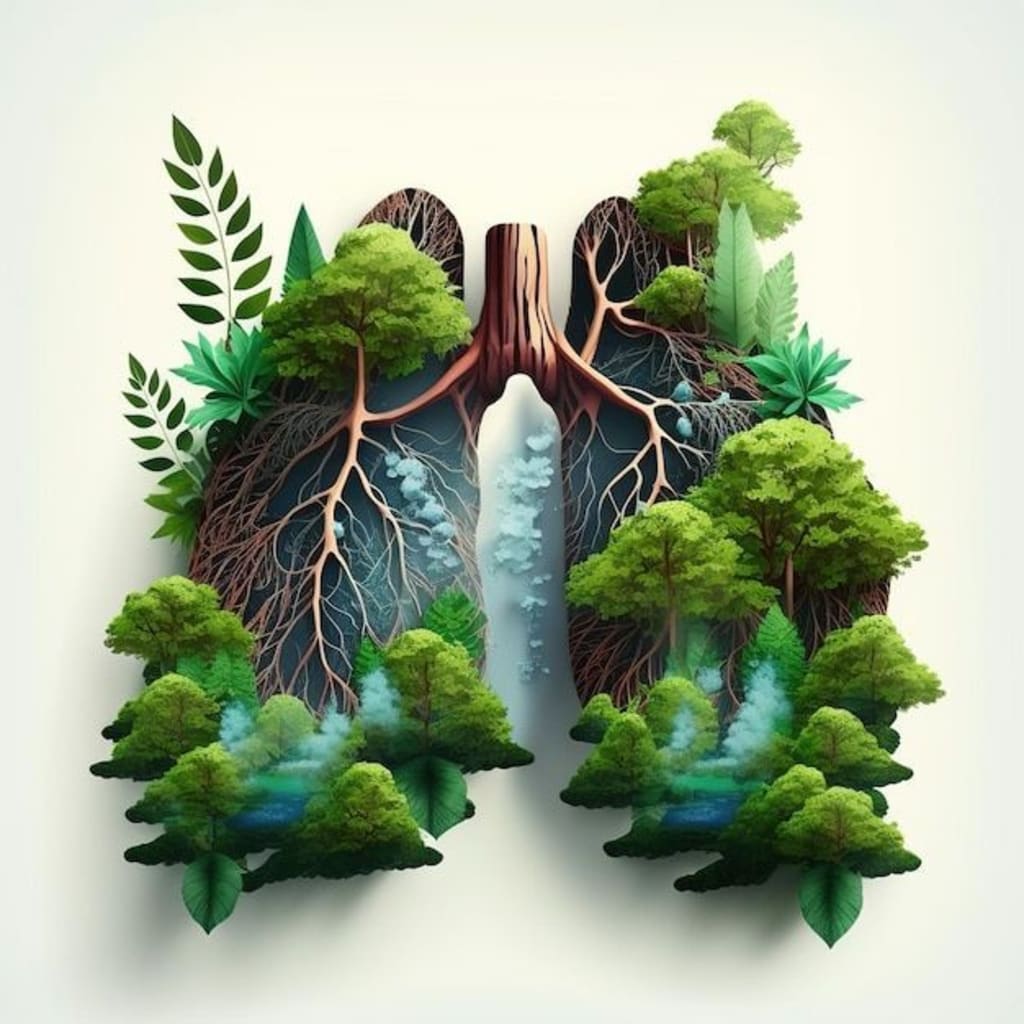
Introduction
Forests are essential to the health of our planet, playing a crucial role in maintaining ecological balance. However, the excessive cutting of trees, or deforestation, has become a significant global issue. This article delves into the multifaceted impacts of deforestation, exploring its consequences on the environment, biodiversity, climate, and human communities.
Environmental Impact
- Soil Erosion and Degradation
Trees play a vital role in maintaining soil integrity. Their roots bind the soil together, preventing erosion. When trees are removed, the soil becomes loose and is easily washed away by rain, leading to severe soil erosion. This process depletes the land of essential nutrients, rendering it less fertile and unable to support vegetation.
2.Water Cycle Disruption
Trees are integral to the water cycle. They absorb groundwater and release it into the atmosphere through transpiration, contributing to cloud formation and precipitation. Deforestation disrupts this cycle, leading to reduced rainfall and prolonged droughts in affected areas. This, in turn, affects agriculture and water availability for local communities.
3.Loss of Ecosystem Services
Forests provide numerous ecosystem services, including water purification, air quality improvement, and climate regulation. The removal of trees compromises these services, leading to poorer water quality, increased air pollution, and a decline in overall environmental health.
Impact on Biodiversity
- Habitat Loss
Forests are home to a vast array of species. The destruction of these habitats leads to the displacement and death of countless animals, plants, and microorganisms. Many species that are unable to adapt to new environments face extinction, leading to a significant loss of biodiversity.
2.Disruption of Food Chains
Trees form the basis of many food chains. Their removal disrupts these chains, affecting every level of the ecosystem. Predators lose their prey, herbivores lose their food sources, and the overall balance of the ecosystem is disturbed.
3.Fragmentation of Habitats
Deforestation often leads to the fragmentation of habitats, creating isolated patches of forest. This fragmentation restricts the movement of species, reduces genetic diversity, and makes populations more vulnerable to disease and environmental changes.
Climate Change
1.Increased Carbon Emissions
Trees act as carbon sinks, absorbing carbon dioxide from the atmosphere and storing it in their biomass. When trees are cut down and burned or left to decompose, this stored carbon is released back into the atmosphere as carbon dioxide, contributing to global warming. Deforestation is responsible for about 10% of global greenhouse gas emissions.
2.Altered Climate Patterns
The removal of trees affects local and global climate patterns. Forests help regulate temperature and moisture levels. Without them, regions can experience more extreme weather conditions, including hotter temperatures and altered rainfall patterns.
3.Loss of Carbon Sequestration Potential
The loss of forests means the loss of potential carbon sequestration. Newly planted trees take years to mature and absorb significant amounts of carbon dioxide. Thus, deforestation has long-term implications for climate change mitigation efforts.
Impact on Human Communities
1.Displacement of Indigenous Peoples
Many indigenous communities depend on forests for their livelihoods, culture, and traditions. Deforestation often forces these communities to leave their ancestral lands, leading to loss of cultural heritage and traditional knowledge.
2.Economic Consequences
Forests provide resources such as timber, non-timber forest products, and medicinal plants. The loss of these resources can have severe economic impacts on local communities that rely on them for their livelihoods. Additionally, the decline in ecosystem services can lead to increased costs for water purification, flood control, and other environmental services.
3.Health Impacts
Deforestation can have direct and indirect health impacts on human populations. The loss of forest cover can lead to increased incidence of vector-borne diseases, such as malaria and dengue, as the habitats of disease-carrying organisms change. Additionally, the loss of medicinal plants and reduced air quality can negatively impact human health.
Efforts to Combat Deforestation
1.Sustainable Forestry Practices
Promoting sustainable forestry practices, such as selective logging, reforestation, and agroforestry, can help reduce the impact of deforestation. These practices ensure that forests are managed responsibly, balancing the need for timber and other resources with environmental conservation.
2.Protected Areas and Conservation Initiatives
Establishing protected areas and supporting conservation initiatives can help preserve critical forest ecosystems. These efforts can include creating national parks, wildlife reserves, and community-managed forests.
3.Community Engagement and Empowerment
Engaging and empowering local communities in forest management can lead to more effective conservation efforts. Providing education, resources, and economic incentives for sustainable practices can help communities protect their forests while meeting their needs.
4.Policy and Legislation
Strong policies and legislation are crucial for addressing deforestation. Governments must enforce laws against illegal logging, provide incentives for conservation, and support international agreements aimed at reducing deforestation, such as the REDD+ (Reducing Emissions from Deforestation and Forest Degradation) program.
5.Corporate Responsibility
Companies that rely on forest resources must adopt sustainable practices and be held accountable for their environmental impact. This includes ensuring that their supply chains are free from deforestation and investing in reforestation and conservation projects.
6.Consumer Awareness and Action
Consumers can play a role in combating deforestation by making informed choices. Supporting products that are certified as sustainable, reducing consumption of products linked to deforestation, and advocating for stronger environmental policies can help drive positive change.
Conclusion
The excessive cutting of trees has far-reaching and devastating effects on the environment, biodiversity, climate, and human communities. Addressing this issue requires a multifaceted approach, involving sustainable forestry practices, conservation efforts, community engagement, policy and legislation, corporate responsibility, and consumer action. By working together, we can protect our forests and ensure a healthy and sustainable future for our planet.
References
- FAO (Food and Agriculture Organization of the United Nations). (2020). Global Forest Resources Assessment 2020. Rome: FAO. Available at: http://www.fao.org/forest-resources-assessment/en/
- WWF (World Wildlife Fund). (2021). Deforestation and Forest Degradation. Available at: https://www.worldwildlife.org/threats/deforestation-and-forest-degradation
- IPCC (Intergovernmental Panel on Climate Change). (2019). Special Report on Climate Change and Land. Available at: https://www.ipcc.ch/srccl/
- UNDP (United Nations Development Programme). (2020). Forests and Climate Change. Available at: https://www.undp.org/content/undp/en/home/librarypage/climate-and-disaster-resilience-/forests-and-climate-change.html
5.Global Forest Watch. (2021). Deforestation Statistics. Available at: https://www.globalforestwatch.org/
About the Creator
JUHAID VOCAL TIME
By creators, for creators.
Keep reading
More stories from JUHAID VOCAL TIME and writers in Journal and other communities.
Addressing Cancer's Root Causes: Effective Solutions for Prevention
Cancer is a complex and multifaceted disease that has been a major health concern worldwide. Despite significant advancements in medical science, finding a definitive solution to what causes cancer remains a challenging endeavor. This article aims to explore the various factors that contribute to cancer development, the current understanding of its causes, and the potential solutions to mitigate these risks.
By JUHAID VOCAL TIME2 years ago in Journal
What Healthcare Organizations Must Do to Stay Compliant
Introduction Compliance protects healthcare organizations. Regulations govern daily operations. Patient safety depends on adherence. Noncompliance creates serious risk. Financial penalties can be severe. Reputation damage is lasting. Oversight continues to increase. Expectations evolve constantly. Compliance requires commitment. Leadership must prioritize standards. Systems must support requirements. Staff must understand obligations. Proactive compliance prevents disruption. Preparation reduces exposure. Compliance supports trust. Accountability defines professionalism.
By Abdul Mueeda day ago in Journal


Comments
There are no comments for this story
Be the first to respond and start the conversation.