

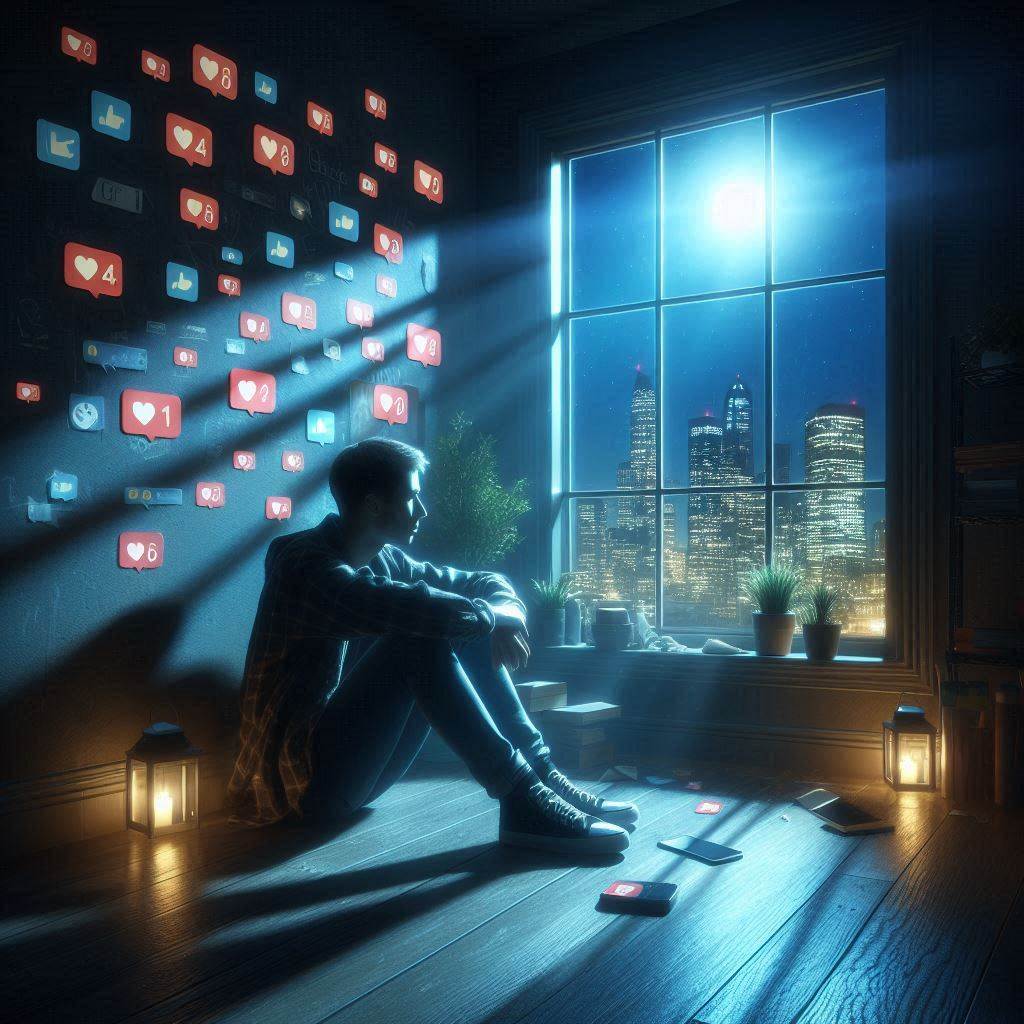
TikTok has transformed countless ordinary individuals into internet sensations overnight. With millions of users scrolling through the app daily, the potential for stardom is immense. However, behind the glitz and glamour of viral fame lies a darker reality that many influencers face. From mental health struggles to privacy concerns, the pressures of maintaining an online presence can be overwhelming.
The Pressure to Stay Relevant
One of the biggest challenges TikTok influencers face is the constant need to stay relevant. Trends on the platform evolve rapidly, and what is popular today may be forgotten tomorrow. This forces content creators to consistently produce fresh and engaging material to keep their audience entertained. The pressure to innovate can lead to burnout, anxiety, and a decline in mental well-being.
Creators often feel compelled to push their creative limits, sometimes at the cost of their personal lives. Many sacrifice sleep, relationships, and even their own happiness to meet the demands of their growing fanbase. This relentless pursuit of fame can leave them feeling exhausted and unfulfilled.
Mental Health Struggles
While TikTok fame may bring admiration and financial opportunities, it also opens the door to mental health struggles. The platform thrives on engagement, meaning that influencers are constantly exposed to likes, comments, and shares. While positive feedback can be encouraging, negative criticism can be devastating.
Cyberbullying is a major issue on TikTok. Many creators face hateful comments, body shaming, and even threats from anonymous users. The constant scrutiny can take a toll on their self-esteem and emotional well-being. Some influencers develop anxiety, depression, or eating disorders as a result of the toxic environment.
Additionally, the algorithm-driven nature of TikTok means that engagement levels can fluctuate unpredictably. A drop in views or followers can make influencers question their worth, leading to self-doubt and emotional distress.
The Loss of Privacy
Fame comes at a price, and for many TikTok stars, that price is their privacy. When someone gains a large following, their personal life often becomes public property. Fans and followers can be intrusive, sometimes going as far as tracking down their favorite creators' home addresses or workplaces.
Doxxing, the act of sharing personal information online without consent, is a serious threat that many TikTok influencers face. Some have had their private details leaked, leading to harassment, stalking, or even physical danger. This invasion of privacy can be terrifying, forcing some influencers to take extreme measures to protect themselves.
Exploitation and Unfair Contracts
Many aspiring TikTok stars dream of securing brand deals and sponsorships, but not all business opportunities are as glamorous as they seem. Some creators fall victim to exploitative contracts that take advantage of their inexperience. Talent agencies, management companies, and even brands sometimes offer unfavorable deals, locking influencers into agreements that limit their creative freedom and financial earnings.
Young creators, in particular, are vulnerable to these traps. Lured by the promise of fame and fortune, they may sign contracts without fully understanding the long-term consequences. In some cases, influencers have lost control over their content, had their earnings unfairly distributed, or been forced to promote products they do not believe in.
The Impact on Relationships
TikTok fame can also strain personal relationships. As influencers become more popular, they often find it difficult to balance their online and offline lives. Constantly creating content, attending events, and engaging with fans can take time away from family and friends.
Moreover, some creators struggle with trust issues. It becomes challenging to distinguish genuine friendships from those formed for personal gain. Some influencers have shared stories of friends or romantic partners using them for clout, leading to heartbreak and isolation.
The Dark Side of Monetization
While TikTok offers financial opportunities through brand deals, live-streaming gifts, and the Creator Fund, not all influencers make sustainable incomes. The platform's monetization system is inconsistent, and payouts are often lower than expected. Many content creators find themselves unable to make a living solely from their TikTok earnings, despite having millions of followers.
Additionally, some influencers resort to controversial methods to earn money, such as promoting questionable products, engaging in clickbait content, or participating in risky challenges. The pressure to maintain financial stability can push creators into unethical or dangerous territory.
Addiction to Validation
Another psychological downside of TikTok fame is the addiction to validation. Social media platforms are designed to trigger dopamine releases through likes, comments, and shares. For many influencers, these digital interactions become a source of self-worth.
When engagement drops, influencers may experience withdrawal-like symptoms, feeling anxious or desperate for attention. This need for constant validation can affect their self-perception, making them dependent on external approval rather than their own self-confidence.
About the Creator
The Content Crafter
Hi, I’m Vikas! I write Content and Stories that hit the Feels and Education.
- 📚 Education
- 🍔 Food
- 🏥 Health
- 🔢 Angel Number
- 📝 Poet
- 📖 Stories
- 🏺 History
- ⭐ Review
- 🌌 Space and Earth
- 🎮 Games
- 👻 Horror
📲Please 🔔 Subscribe 🔔 Me ❤️
Keep reading
More stories from The Content Crafter and writers in Journal and other communities.
Advantages And Disadvantages Of Internet
The internet has transformed modern life, reshaping communication, business, education, and entertainment. While it offers countless benefits, it also presents significant challenges. Understanding both its advantages and disadvantages helps individuals and organizations make informed decisions about its use.
By The Content Crafter11 months ago in Journal
The goals I did not achieve
Every writing goal I made for the year is a wash. It has been this way for a while, but I think it's important to be open about my failures and the reality of how life can get in the way. This is especially true considering the several times I have posted on Vocal about my writing goals, how I was changing my approach, and where I was hoping to be for the upcoming year. I will probably do that again in a couple months, but for now, it is time to acknowledge where I am today.
By Kay Husnick23 days ago in Journal
How AI Is Reshaping the Future of Software Development
Artificial intelligence is no longer an experiment running in parallel to engineering. It has moved directly into the production pipeline. For modern software development companies, AI is changing how code is written, tested, secured, and evolved. This shift is not cosmetic. It is structural. Businesses that treat AI as a feature will fall behind those that redesign their development model around it.
By Alice Carry4 days ago in Journal


Comments
There are no comments for this story
Be the first to respond and start the conversation.