
The Current State of Zambia's Economy and Analysis of Reasons Behind It
Northern Rhodesia

INTRODUCTION
Zambia, a landlocked country in Southern Africa, has experienced both economic growth and challenges in recent years. This article aims to provide an overview of the current state of Zambia's economy and analyze the key reasons behind its current situation.
Overview of Zambia's Economy:
Zambia's economy heavily relies on copper mining and agriculture. Historically, the country has been one of the largest copper producers in Africa, contributing significantly to its GDP and export earnings. Additionally, agriculture plays a crucial role, employing a significant portion of the population and providing a substantial portion of the country's food requirements.
Challenges Facing Zambia's Economy:
1. Copper Price Volatility: The global copper market is highly influenced by trends in demand from major economies such as China and fluctuations in international commodity prices. Zambia's economy is vulnerable to copper price volatility, as changes in prices can significantly impact government revenues, export earnings, and investment in the sector.
2. Debt Burden: Zambia has faced challenges related to its debt burden in recent years. The country accumulated substantial external debt, primarily due to infrastructure development projects and budget deficits. High debt levels have put pressure on government finances, leading to reduced public spending and constraints on economic growth.
3. Inefficient Agricultural Practices: Despite agriculture's prominence in Zambia's economy, the sector faces various challenges such as inadequate irrigation systems, limited access to credit, and the impact of climate change. These factors have resulted in lower agricultural productivity and hindered the sector's potential to contribute to economic growth and food security.
4. Energy Deficit: Zambia has struggled with energy deficits, leading to recurrent power outages. Insufficient production, transmission, and distribution capacity have harmed industrial output, foreign direct investment, and overall economic activities. These energy challenges have hindered the country's economic diversification efforts and affected the competitiveness of various sectors.
5. High Unemployment and Poverty Rates: Zambia continues to grapple with high unemployment rates, particularly among the youth. The lack of sufficient job opportunities results in social and economic challenges, contributing to poverty and inequality in the country.
Reasons Behind Zambia's Current Economic Situation:
1. Dependency on Copper: Zambia's economy heavily relies on copper exports, making it vulnerable to fluctuations in global copper prices. Overreliance on a single commodity exposes the country to external shocks and hampers diversification efforts.
2. Weak Fiscal Management: Inefficient public spending, high levels of corruption, and excessive borrowing have undermined Zambia's fiscal health. The mismanagement of public finances has contributed to the country's debt burden and limited resources available for productive investments.
3. Limited Economic Diversification: Zambia has struggled to diversify its economy beyond copper mining and agriculture. Insufficient investments and support for non-traditional sectors have hindered the country's economic transformation, reducing resilience to external shocks.
4. Infrastructure Challenges: Inadequate infrastructure, particularly in energy and transportation, has impeded economic activities. Insufficient power supply and inadequate road networks constrain productivity, increase operational costs, and discourage foreign investment.
5. Education and Skills Gap: Challenges in the education system, such as limited access to quality education and a mismatch between the skills provided and industry needs, create a significant gap in human capital development. This hampers productivity and leaves many unemployed or underemployed.
Conclusion:
Zambia's current economic situation is influenced by several factors, including copper price volatility, a high debt burden, challenges in agriculture and energy sectors, unemployment, and limited economic diversification. Addressing these challenges requires a comprehensive approach that focuses on fiscal discipline, promoting economic diversification, improving infrastructure, enhancing human capital, and attracting investment in non-traditional sectors. By implementing structural reforms and pursuing sustainable development strategies, Zambia can work towards achieving inclusive and sustainable economic growth.
SIAVONGA
About the Creator
Keep reading
More stories from Takunda Nyikadzino and writers in Journal and other communities.
The Phoenix's Triumph: Rebuilding the Zimbabwean Economy
Once a thriving economy, Zimbabwe had fallen victim to a series of economic and political crises that sent shockwaves throughout the nation. The year was 2008, and inflation had spiraled out of control, reaching a staggering 231 million percent. The Zimbabwean dollar became virtually worthless and the economy plunged into disarray.
By Takunda Nyikadzino3 years ago in Journal
Author’s Advice
If you would’ve asked me 20 years ago did I know I’d become a writer and an author, I would’ve said “nope, ain’t happening”. As fate would have it I did become an author and I can honestly say I’m loving it so far. It really does feel good to be a writer. I’ve learned a lot on this journey and I feel like with even me being as new to this world as I am, there’s some wisdom I need to share with every other aspiring author.
By Joe Patterson5 days ago in Journal
Gulf states lose $15bn in energy revenues since start of war
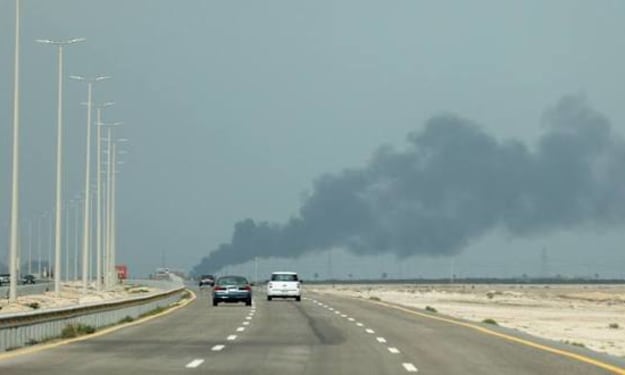
Gulf states have lost an estimated $15 billion in energy revenues since the start of the ongoing war in the region, according to analysts tracking the impact on the global oil and gas markets. The losses have been driven by a combination of disrupted production, damaged infrastructure, and reduced demand from international buyers, highlighting the economic vulnerability of nations heavily reliant on hydrocarbon exports. The conflict, which erupted earlier this year, has affected key energy-producing countries in the Gulf, including Saudi Arabia, United Arab Emirates, and Kuwait. Analysts report that output reductions, combined with logistical challenges in transporting oil and gas, have led to significant shortfalls in state revenues that fund public services, infrastructure projects, and social programs. “Energy exports are the lifeblood of the Gulf economies,” said an energy market expert. “Any prolonged disruption, particularly in the context of war, has immediate and severe consequences for government budgets and the broader economy.” In Saudi Arabia, one of the world’s largest oil producers, some key export facilities were temporarily suspended due to security threats near shipping routes in the Gulf. While production has gradually resumed, analysts estimate that the country has lost several billion dollars in expected revenues. Similar challenges have affected the UAE and Kuwait, where ports and pipelines have faced intermittent closures and heightened security alerts. The war has also affected global energy markets, contributing to volatility in oil and gas prices. While higher prices could offset some revenue losses for producers, the ongoing instability has discouraged long-term contracts and international investment, reducing the financial resilience of Gulf states. Shipping insurance premiums have surged, and some international buyers have delayed purchases due to fears of supply disruption. For nations heavily dependent on oil revenues, the losses are particularly concerning. Gulf states allocate a significant portion of their budgets to public welfare, infrastructure, and economic diversification initiatives. The sudden drop in income has forced governments to reassess spending priorities and consider measures such as tapping sovereign wealth funds, issuing bonds, or delaying capital projects. Some analysts warn that prolonged conflict could deepen economic strain. If the war continues for several months or expands geographically, the losses in energy revenue could rise sharply, potentially exceeding $20 billion. “The longer the conflict persists, the greater the economic damage will be,” said one regional economist. “Even minor disruptions to production or export routes can cascade into substantial fiscal shortfalls.” The economic impact is compounded by other global pressures, including fluctuating demand from major energy consumers and competition from alternative suppliers. European and Asian buyers have been seeking diversified sources of oil and gas, and sanctions or logistical hurdles have sometimes forced Gulf exporters to redirect shipments or renegotiate contracts at lower prices. In response, Gulf governments have ramped up security measures around energy infrastructure, including pipelines, refineries, and shipping lanes. Military patrols and aerial surveillance have been increased to safeguard exports, but analysts note that these measures add to operational costs and do not eliminate the risk of further revenue losses. Some states have also accelerated efforts to diversify their economies to reduce dependence on hydrocarbons. Projects in renewable energy, technology, tourism, and finance are being prioritized to create alternative sources of revenue. However, analysts caution that such diversification efforts are long-term solutions and cannot immediately offset the financial losses caused by the war. The International Energy Agency (IEA) has highlighted the broader implications of the Gulf revenue losses, noting that disruptions in the region can ripple through global markets. Reduced supply from major Gulf producers can drive up prices elsewhere, affect energy security for dependent nations, and influence inflationary pressures worldwide. While Gulf states continue to manage immediate fiscal challenges, officials are closely monitoring the situation. Contingency plans for energy exports, emergency budget measures, and diplomatic efforts to contain the conflict are all being considered. Experts emphasize that a resolution to the war, or at least a stabilization of key export routes, will be critical to restoring financial stability and ensuring the long-term viability of government programs. The $15 billion revenue loss is a stark reminder of the fragility of oil-dependent economies in the face of geopolitical conflict. As the Gulf navigates this challenging period, governments must balance short-term fiscal needs with longer-term strategic planning, ensuring that both immediate and future economic stability are safeguarded. The coming months will be pivotal, with analysts predicting that energy revenues, market confidence, and regional stability are all tightly intertwined, and the trajectory of the war will determine the scale of financial losses for Gulf states in 2026 and beyond.
By Fiaz Ahmed 3 days ago in Journal
A Transparent Look at Vocal Challenges and Top Stories
Almost three years ago, we shared a resource article that served as a place for people to suggest new challenge prompts. We thought it would be a good idea to refresh that thread, and take the opportunity to answer a few common questions about top stories, how challenges are judged and how submissions are reviewed.
By Vocal Curation Team4 days ago in Resources



Comments
There are no comments for this story
Be the first to respond and start the conversation.