
The Complete E-Bike Maintenance Checklist for Every Rider
Drive Safe with MeloYelo E-Bikes

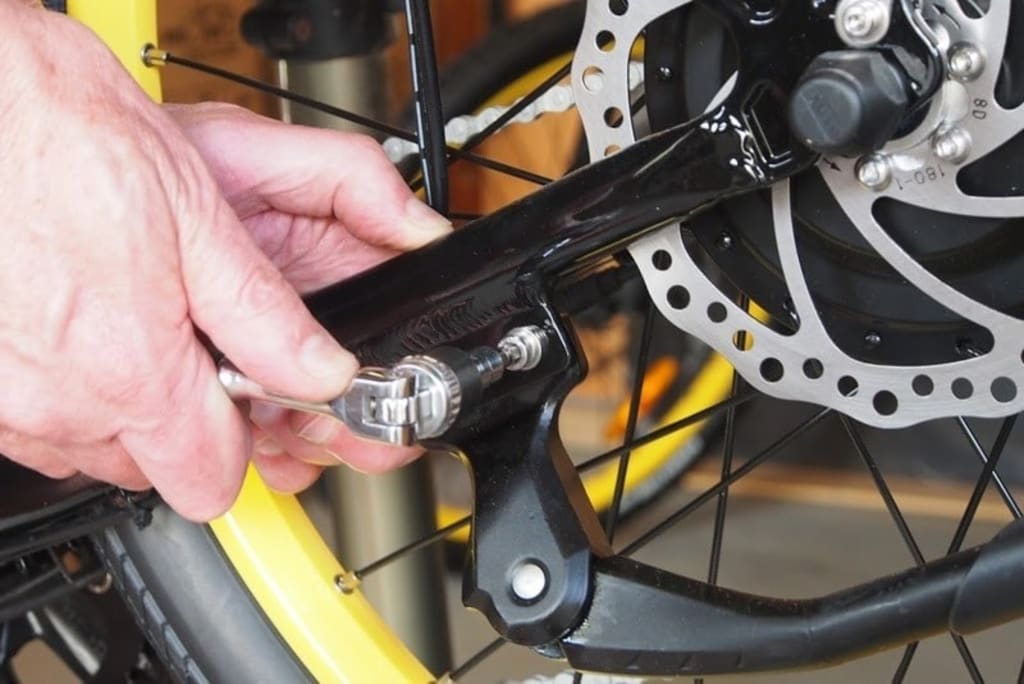
Electric bikes have become a preferred choice for commuters, adventurers, and leisure riders alike. While they offer convenience and performance, their upkeep requires more than just a casual wipe-down. A well-planned e-bike maintenance routine not only enhances riding comfort but also safeguards the bike’s components and battery life. This checklist provides a structured approach to caring for your e-bike, ensuring it performs at its best for years.
1. Battery Care and Charging Practices
The battery is the heart of an electric bike, and its longevity depends heavily on proper handling. Always use the charger provided by the manufacturer to avoid voltage inconsistencies. Store the battery in a cool, dry place, avoiding direct sunlight or freezing temperatures. Charge it before it dips below 20% to prevent deep discharge, which can shorten its lifespan. If you won’t be riding for weeks, maintain a charge level around 60% to keep the cells healthy.
2. Drivetrain Cleaning and Lubrication
Your e-bike’s drivetrain, including the chain, cassette, and derailleur, is constantly exposed to dust, moisture, and road debris. These elements can accelerate wear and reduce efficiency. Clean the chain regularly using a bike-specific degreaser, then apply a suitable lubricant to maintain smooth gear shifting. A well-maintained drivetrain reduces strain on the motor and optimizes pedal assistance.
3. Brake Inspection and Adjustment
With the additional weight and speed of an electric bike, brake performance is critical. Inspect brake pads for wear and replace them if they’re worn down to the indicator line. Check the brake cables or hydraulic fluid levels, depending on your braking system. Properly adjusted brakes ensure quick stopping power, which is essential for safe riding, especially in traffic or wet conditions.
4. Tire Pressure and Tread Monitoring
Underinflated tires increase rolling resistance, drain battery power faster, and reduce stability. Use a quality pressure gauge to maintain tire pressure within the manufacturer’s recommended range. Equally important is checking the tread depth for signs of wear or embedded debris. Good tire condition ensures better grip, smoother rides, and improved energy efficiency.
5. Electrical System Check
Beyond the battery, the entire electrical system should be periodically inspected. Look for any exposed or frayed wires, loose connectors, or corrosion on contact points. Test the lights, display panel, and pedal-assist modes to confirm they’re functioning properly. Addressing small issues early can prevent costly repairs and unexpected breakdowns.
6. Frame and Component Tightening
Vibrations from regular rides can loosen bolts and fittings over time. Regularly inspect the frame, handlebars, seat post, and wheel axles, tightening them to the specified torque settings. Pay extra attention to suspension components if your bike has them, as these play a major role in ride comfort and stability.
7. Software and Firmware Updates
Lightweight electric bikes often come with software-driven motor systems. Manufacturers periodically release firmware updates to improve efficiency, safety, and user experience. Check the official app or website for available updates, and apply them as recommended. This small step can enhance motor performance and extend component life.
8. Seasonal and Weather-Specific Maintenance
Different seasons bring unique challenges for e-bike owners. In wet months, protect electrical components from moisture and clean the bike more frequently to prevent rust. During summer, avoid leaving the bike in high-heat environments to protect the battery and tires. Winter riding may require studded tires and extra lubrication to combat salt and ice.
9. Storage Preparation for Long Breaks
If you plan to store your electric bike for several weeks or months, preparing it correctly is essential. Clean the frame and drivetrain thoroughly to remove dirt that could cause corrosion. Partially charge the battery to around 60% before storage and disconnect it if possible. Keep the bike in a dry, temperature-controlled environment to prevent damage from moisture or extreme temperatures. Proper storage ensures the bike is ready to ride when you return without performance loss.
10. Professional Servicing Schedule
Even with meticulous at-home care, certain tasks require expert attention. Schedule a professional inspection at least once or twice a year, depending on usage. Technicians can spot hidden wear, calibrate the motor system, and ensure all safety-critical components meet standards. This medium not only preserves the bike’s warranty but also provides peace of mind for long-distance riders.
Conclusion
An electric bike in New Zealand is more than just a mode of transport; it’s an investment in sustainable mobility and enjoyable riding. Following a consistent maintenance checklist safeguards that investment by extending component life, improving efficiency, and enhancing safety. With regular care, your e-bike will continue delivering reliable performance, whether you’re navigating city streets or exploring countryside trails.
About the Creator
Hellen Joseph
Hi, I’m Hellen Joseph! I love sharing insights to inspire others to live more active.
Keep reading
More stories from Hellen Joseph and writers in Journal and other communities.
You’ll Be Shocked What Reliable Plumbing Services Can Detect — And How to Spot a Scam
When it comes to your home’s plumbing system, what you see on the surface is only part of the story. A dripping tap or a slow drain may seem like minor issues, but often, they’re signs of deeper problems that only a professional plumbing checklist can uncover. Surprisingly, reliable plumbing services can detect things you’d never expect, from early signs of foundation damage to hidden water leaks behind your walls.
By Hellen Joseph8 months ago in Journal
Author’s Advice
If you would’ve asked me 20 years ago did I know I’d become a writer and an author, I would’ve said “nope, ain’t happening”. As fate would have it I did become an author and I can honestly say I’m loving it so far. It really does feel good to be a writer. I’ve learned a lot on this journey and I feel like with even me being as new to this world as I am, there’s some wisdom I need to share with every other aspiring author.
By Joe Patterson3 days ago in Journal
Why Didn't Anyone Tell Us
Men, move along. This is not for you. This is for the women. I was forty-five when I began menopause. It is pretty young for that to be going on in a woman’s life, but I had undiagnosed PCOS, my entire life. Thank you to all the gynecologists I had seen my entire life. That in itself should encourage women to keep seeking second opinions, especially when you are not getting correct answers or any at all.
By Alexandra Grant4 days ago in Humans



Comments
There are no comments for this story
Be the first to respond and start the conversation.