
The BMW N55 Engine: A Comprehensive Breakdown of Performance, Reliability, and Innovation
Dicussing BMW N55 Engine

The BMW N55 engine stands as a significant milestone in the world of turbocharged performance, blending efficiency, power, and technological sophistication. Introduced in 2009 as the successor to the legendary N54, the N55 has been the backbone of BMW’s inline-six lineup for over a decade. Revered by enthusiasts for its seamless power delivery and refined engineering, this turbocharged masterpiece has graced a myriad of BMW models, from the sporty 335i to the high-performance M2.
In this article, we will delve deep into the intricacies of the BMW N55 engine, analyzing its technical prowess, reliability, common issues, and performance tuning potential. If you are hoping to buy one, here we are offering N55 Engine for sale. If you are hoping to buy one, here we are offering N55 Engine for sale.
Engineering Prowess: The Heart of the N55
Unlike its twin-turbo predecessor, the BMW N55 features a single twin-scroll turbocharger, a technological shift aimed at enhancing efficiency while maintaining robust power output. This innovative design significantly reduces turbo lag, ensuring a more linear and responsive acceleration curve. At its core, the engine boasts a 3.0-liter displacement, direct fuel injection, Valvetronic variable valve timing, and Double-VANOS camshaft control—a sophisticated cocktail that maximizes power delivery while optimizing fuel efficiency.
With a factory output ranging from 300 to 365 horsepower, depending on the model, the N55 is no slouch. The seamless torque curve, peaking around 295 to 369 lb-ft, ensures effortless acceleration, making it a favorite among driving enthusiasts.
Another standout feature is the forged crankshaft, a component that enhances durability while withstanding higher levels of stress, especially under aggressive driving conditions. Additionally, the aluminum block and cylinder head contribute to weight reduction while maintaining robustness.
Reliability and Common Issues: What to Watch Out For
Despite its technological advancements, the N55 is not without its quirks. BMW’s turbocharged engines, though exhilarating, often come with a handful of potential weak points that owners should be aware of.
1. Charge Pipe and Boost Leaks
The factory plastic charge pipe is prone to cracking, especially under increased boost pressures. Many owners opt for an upgraded aluminum charge pipe to mitigate this issue and ensure consistent airflow.
2. High-Pressure Fuel Pump (HPFP) Failures
While the N55’s HPFP is an improvement over the problematic unit in the N54, failures are still reported. Symptoms include long cranks, rough idling, and power loss, particularly at higher mileage. BMW did issue some recalls, so checking the service history is advisable.
3. VANOS Solenoid Failures
The VANOS system, responsible for variable valve timing, can experience solenoid failures over time, leading to performance drops and rough idling. Regular oil changes and using high-quality synthetic oil can prolong the lifespan of these components.
4. Oil Leaks from Valve Cover and Oil Filter Housing
Gasket failures in the valve cover and oil filter housing are common in BMW engines, and the N55 is no exception. Left unattended, these leaks can lead to engine bay contamination and potential overheating risks.
5. Water Pump Failures
The electric water pump in the N55 is known to have a finite lifespan, often requiring replacement around 60,000–80,000 miles. When it fails, the engine can overheat rapidly, making a proactive replacement strategy wise for long-term reliability.
While these issues may seem daunting, they are manageable with preventative maintenance and timely repairs. The BMW N55 engine, when properly cared for, can deliver years of exhilarating performance.
Tuning and Performance Upgrades: Unlocking the Full Potential
For those looking to extract more power from their N55-powered BMW, the aftermarket scene offers a wealth of opportunities. The engine responds exceptionally well to modifications, allowing enthusiasts to push performance far beyond factory specifications.
1. ECU Tuning: The Key to Extra Power
A stage 1 tune alone can boost power figures by 50+ horsepower, while a stage 2 tune, paired with supporting mods, can push output well past 400 horsepower. Bootmod3, MHD, and JB4 are some of the most popular tuning platforms for the N55.
2. Downpipe and Exhaust Upgrades
Swapping the restrictive factory downpipe for a high-flow or catless variant improves turbo spool and enhances sound. Pairing this with a performance exhaust system further amplifies the aggressive tone of the inline-six.
3. Upgraded Intercooler for Cooler Intake Temps
A larger front-mount intercooler (FMIC) is a crucial upgrade for reducing intake air temperatures, improving consistency in power delivery—especially for track or spirited driving.
4. Turbo Upgrades for Maximum Power Gains
While the stock twin-scroll turbo offers impressive responsiveness, those seeking 500+ horsepower often opt for an upgraded hybrid turbo or a full single-turbo conversion. These modifications require additional fueling and cooling upgrades to maintain reliability.
5. Suspension and Braking Enhancements
With increased power, handling upgrades become essential. Lowering springs, coilovers, upgraded sway bars, and high-performance brake kits ensure the chassis can handle the additional speed with confidence.
Why the N55 Remains a Fan Favorite
The BMW N55 engine strikes a perfect balance between power, refinement, and modifiability. Its single turbo setup makes it more reliable than its twin-turbo predecessor, while still delivering an engaging driving experience. Whether in a daily-driven 335i, a performance-oriented M2, or a track-focused build, the N55 showcases BMW’s ability to blend luxury and performance seamlessly.
With proper maintenance, a well-kept N55 can offer tens of thousands of miles of enjoyment. Its aftermarket potential also ensures that owners can fine-tune their experience to suit individual driving preferences.
For those in the market for a turbocharged inline-six BMW, the N55 remains an excellent choice, offering an irresistible mix of performance, reliability, and tuning potential. Whether you’re looking to keep it stock or transform it into a high-horsepower beast, the N55 provides a thrilling foundation for any driving enthusiast.
Final Thoughts
The BMW N55 engine is a masterpiece of German engineering, showcasing BMW’s relentless pursuit of performance and innovation. While it has a few inherent weak points, its overall durability and modifiability make it a staple in the world of high-performance BMWs.
If you’re considering an N55-powered BMW, ensuring a well-documented maintenance history and staying on top of preventative repairs will keep you enjoying its exhilarating performance for years to come.
About the Creator
Keep reading
More stories from Jake Willson and writers in Journal and other communities.
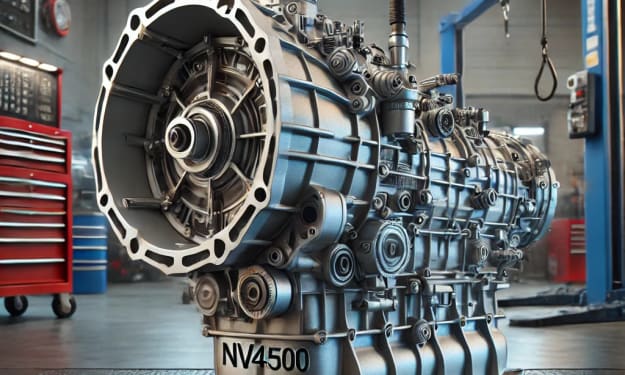
From Workhorse to Cult Classic: The Rise of the GM NV4500 Transmission
In the cryptic corridors of American mechanical engineering, few components resonate with the rugged soul of craftsmanship quite like the GM NV4500 transmission. A gearbox of venerable lineage and unrelenting stamina, this five-speed manual colossus has etched its place among the pantheon of durable drivetrains. With an architecture that whispers the dialect of brute endurance, the GM NV4500 is less a transmission and more an unflinching mule—hauling torque with the grimace of a beast unbothered by the weight of its labors. If you are hoping to buy one, here we are providing NV4500 transmission for sale.
By Jake Willson11 months ago in Wheel


Comments
There are no comments for this story
Be the first to respond and start the conversation.