
The Beginner's Guide to Investing: Growing Your Wealth Wisely
How to Start Investing with Confidence and Take Control of Your Financial Destiny.


Are you wondering how to start investing and securing your financial future? Investing can seem daunting, but with the right guide, you can confidently begin your journey to financial freedom.
This comprehensive guide is designed specifically for beginners, providing you with the essential content and information needed to understand the world of investing. You'll discover the difference between saving and investing, and learn how to make informed decisions that align with your financial goals.
By following this step-by-step guide, you'll gain the knowledge and confidence to create your first investment portfolio and take control of your financial destiny.
Key Takeaways
- Understand the fundamentals of investing and its importance for your financial future.
- Learn how to differentiate between saving and investing.
- Discover various investment vehicles and strategies.
- Gain confidence in creating your first investment portfolio.
- Take control of your financial destiny with informed decisions.
Understanding the Fundamentals of Investing
Before you begin investing, it's essential to grasp the core concepts that drive this financial activity. Investing is not just about putting your money into various assets; it's about making informed decisions that can help you achieve your long-term financial goals.
What Is Investing and Why It Matters
Investing is the process of allocating resources, usually money, with the expectation of generating income or profit over time. This foundational guide is designed to help readers understand the core concepts that differentiate investing from saving. By learning why investing matters for long-term financial security, you'll be able to make more informed decisions about your financial future.
One of the key reasons investing matters is its ability to help your wealth grow over time. For example, compound interest can work in your favor, allowing your investments to grow exponentially. This is a crucial topic to understand, as it forms the basis of many investment strategies.
The Difference Between Saving and Investing
Many people misunderstand the difference between saving and investing. While saving is essential for short-term goals and emergencies, investing is a more effective strategy for long-term wealth creation. This guide will help clarify the distinction, providing you with the information needed to determine when to save and when to invest based on your financial goals and timeline.
As you develop a proper mindset toward money and wealth creation, you'll discover how investing can help you achieve financial goals that would be impossible through saving alone. Our guides are designed to help our audience navigate the complex world of investing, making it easier to get started on your investment journey.
Understanding these fundamentals is crucial as they form the subject matter for all investment decisions. By grasping these concepts, you'll be better equipped to make informed decisions and avoid common pitfalls. We write guides like this to empower you with the knowledge needed to succeed in the world of investing.
Setting Your Financial Foundation Before Investing
Investing wisely begins with getting your financial house in order. Before diving into the world of investing, it's essential to establish a solid financial foundation. This foundation is built on three critical pillars: building an emergency fund, paying off high-interest debt, and establishing clear financial goals.
Building an Emergency Fund
An emergency fund is your financial safety net, providing you with the necessary funds to cover unexpected expenses, such as car repairs or medical bills, without having to dip into your investments. The general rule of thumb is to save three to six months' worth of living expenses. For example, if your monthly expenses are $3,000, you should aim to save between $9,000 and $18,000. This fund should be easily accessible, so consider keeping it in a high-yield savings account.
Paying Off High-Interest Debt
High-interest debt, such as credit card balances, can significantly undermine your investment returns. It's crucial to prioritize paying off these debts to free up more money for investing. Start by listing all your debts, then focus on paying off the ones with the highest interest rates first. For instance, if you have a credit card with an 18% interest rate and a personal loan with a 6% interest rate, you should prioritize paying off the credit card balance. Make sure to make timely payments and consider consolidating debt if it simplifies your payments and reduces your interest rate.
Establishing Clear Financial Goals
Clear financial goals give direction and purpose to your investment strategy. To create effective goals, make them SMART: Specific, Measurable, Achievable, Relevant, and Time-bound. For example, instead of saying "I want to save money," say "I want to save $10,000 for a down payment on a house within the next two years." This clarity will help you stay focused and motivated. Your financial goals should align with your life vision and values, making it more likely that you'll stick to your investment plan.
By establishing a robust emergency fund, managing your debt effectively, and setting clear financial goals, you'll be well-prepared to start investing. This foundational content serves as your guide to navigating the world of investing with confidence.
Assessing Your Risk Tolerance
Before diving into investments, it's vital to understand how much risk you're willing to take. Risk tolerance is your personal comfort level with the possibility of losing money in exchange for potential returns. This section of our guide helps you honestly assess how much investment risk you can handle emotionally and financially.
Understanding Different Risk Levels
Different investments come with varying levels of risk. For example, stocks are generally riskier than bonds, but they also offer higher potential returns. Understanding these differences is crucial for creating a balanced portfolio that aligns with your risk tolerance.
You'll learn about different risk levels across various investment types, with real-world examples of how they perform in different market conditions. This information will help you make informed decisions and avoid panic selling during market downturns.
How Time Horizon Affects Risk Tolerance
Your time horizon plays a significant role in determining your risk tolerance. Generally, the longer you have to invest, the more risk you can afford to take. This is because you have more time to recover from market fluctuations.
Understanding how your time horizon affects risk tolerance is essential information for creating a balanced portfolio. Many people underestimate or overestimate their risk tolerance, leading to poor investment decisions when markets become volatile.
Our content provides practical self-assessment tools to help you determine your true risk tolerance profile. By considering factors like age, income stability, and financial goals, you can make a more accurate assessment.
As you approach major financial milestones, you'll discover strategies for gradually adjusting your risk exposure. This will help you stay on track with your investment goals and avoid unnecessary risks.
By the end of this section, you'll have a clear understanding of your risk tolerance and how to use it to guide your investment decisions. This knowledge will be invaluable as you continue on your investment journey.
Creating Your Investment Strategy
Your investment strategy is the roadmap that guides your financial decisions, ensuring they align with your personal objectives and risk tolerance. This comprehensive guide will walk you through the process of creating a customized investment strategy that balances growth potential with security needs.
Defining Short-Term vs. Long-Term Goals
To develop an effective investment strategy, you need to differentiate between short-term and long-term financial goals. Short-term goals are those you aim to achieve within a few years, such as saving for a down payment on a house or a vacation. In contrast, long-term goals are typically achieved over a longer period, like retirement savings or funding your children's education. Understanding the distinction between these goals is crucial for allocating your investments appropriately.
For instance, short-term goals may require more conservative investments to ensure liquidity, while long-term goals can often tolerate more risk, potentially leading to higher returns. Let's consider an example: if you're saving for a down payment on a house in three years, you might invest in a high-yield savings account or a short-term bond. On the other hand, if you're planning for retirement 20 years away, you could consider a more aggressive investment portfolio.
Balancing Growth and Security
A balanced investment strategy is key to achieving your financial objectives. This involves allocating your investments across different asset classes to balance growth potential with security. The right balance depends on your risk tolerance, financial goals, and time horizon. For example, a younger investor with a long-term perspective might allocate a larger portion of their portfolio to stocks for growth, while someone nearing retirement might shift towards more conservative investments like bonds to ensure security.
Our guides provide detailed information on how to assess your risk tolerance and adjust your investment strategy accordingly. By understanding how different asset allocations can help you achieve specific financial objectives on different timelines, you can make informed decisions that align with your goals.
The Power of Compound Interest
One of the most compelling aspects of investing is the power of compound interest. Compound interest can significantly enhance your investment returns over time, making it a crucial element of your long-term strategy. As your investments generate returns, those returns are reinvested, creating a snowball effect that can substantially grow your wealth.
For example, if you invest $1,000 with an annual return of 7%, you'll have $1,070 after one year. In the second year, you earn 7% on $1,070, not just the original $1,000, resulting in $1,144.90. Over time, this effect becomes more pronounced, demonstrating the importance of starting to invest early. Make sure you understand how compound interest works and leverage it to maximize your investment growth.
By following this guide, you'll be equipped with the knowledge to create an investment strategy that evolves with your changing life circumstances. You'll learn how to maintain discipline during market fluctuations by focusing on your long-term strategy and avoid common strategic mistakes that can diminish your investment returns.
Our content is designed to help our audience make informed investment decisions. By understanding the mathematical advantage of compound interest over time, you'll be motivated to start investing sooner rather than later, setting yourself on the path to achieving your financial goals.
Types of Investment Accounts
Selecting the appropriate investment account is a foundational step in crafting a successful investment strategy. Investment accounts serve as the vehicles that hold your investments, each with its own set of tax implications, contribution limits, and withdrawal rules.
Retirement Accounts
Retirement accounts, such as 401(k)s and IRAs, are designed to help you save for your golden years. These accounts offer tax advantages that can significantly boost your retirement savings. For instance, contributions to a traditional IRA may be tax-deductible, and the funds grow tax-deferred.
To get started with a retirement account, you can visit Prosper & Glow investment advice page for step-by-step guides.
Taxable Brokerage Accounts
Taxable brokerage accounts offer flexibility and are ideal for goals other than retirement, such as buying a house or funding education expenses. Although they don't provide the same tax benefits as retirement accounts, they allow you to buy and sell investments without penalty.
When choosing a brokerage account, consider factors like fees, investment options, and customer service. You can find top brokerage accounts for beginners by researching online or consulting financial guides.
Education Savings Accounts
Education Savings Accounts, including 529 plans and Coverdell ESAs, are specialized accounts designed to help you save for education expenses. These accounts offer tax benefits that can help your savings grow more efficiently.
For example, 529 plans allow you to contribute a significant amount towards a beneficiary's education expenses, and the earnings grow tax-free if used for qualified education expenses.
Understanding the differences between these account types is crucial for optimizing your investment strategy. By choosing the right accounts for your needs, you can maximize your returns and achieve your financial goals more effectively.
Understanding Different Investment Vehicles
To build a robust investment portfolio, it's crucial to familiarize yourself with different investment types. Investment vehicles are the actual assets you purchase within your investment accounts, each with unique characteristics, risks, and potential returns. This section of our guide breaks down the four major investment types: stocks, bonds, funds, and real estate, helping you understand how to create a balanced portfolio.
Stocks: Ownership in Companies
Stocks represent ownership in companies and typically offer the highest long-term growth potential. When you buy stocks, you're essentially buying a small piece of that company. For example, investing in well-established companies like Apple or Amazon can be a strategic move. To learn more about investing in stocks, you can explore resources like Prosper & Glow guide on investing.
Bonds: Lending Your Money
Bonds work as loans to companies or governments, offering regular income with relatively lower risk. We'll provide clear instructions on how bonds function, including examples of different bond types and their risk profiles. For instance, government bonds are generally considered safer than corporate bonds.
Mutual Funds and ETFs: Instant Diversification
Mutual funds and ETFs provide instant diversification by pooling money from many investors to invest in a variety of assets. Make sure you understand how these investment vehicles can help you spread risk and potentially increase returns. They are a great way to achieve diversification, especially for beginners.
Real Estate Investments
Real estate investment options extend beyond directly buying property, including REITs (Real Estate Investment Trusts) and real estate crowdfunding platforms. These options allow you to invest in real estate without the hands-on management of properties. For beginners, understanding how to invest in real estate can be a valuable addition to their investment strategy.
Our comprehensive guide is designed to help our audience understand the fundamental differences between growth and income investments. You'll discover how different investment vehicles respond to economic conditions like inflation, recession, and growth periods. Understanding these investment types is essential for implementing your investment strategy effectively.
Practical Advice & How-To Guides for Building Your First Portfolio
As a beginner, building your first portfolio might seem overwhelming, but this how-to guide is designed to provide you with practical advice to simplify the process. Creating a well-diversified portfolio is crucial for managing risk and achieving your financial goals.
The Importance of Diversification
Diversification is a key principle in investing. By spreading your investments across different asset classes and sectors, you can reduce the risk of significant losses. This strategy helps you ride out market fluctuations and can lead to more consistent returns over time.
For example, instead of investing all your money in stocks, you can allocate a portion to bonds, real estate, or mutual funds. This approach not only minimizes risk but also opens up opportunities for growth in various market conditions.
Asset Allocation Based on Age and Goals
Your asset allocation should be tailored to your age, financial goals, and risk tolerance. Generally, younger investors can afford to take on more risk, as they have a longer time horizon to recover from potential downturns. Conversely, those nearing retirement may prefer a more conservative approach to protect their savings.

Sample Starter Portfolios
Here are a few examples of starter portfolios for different investor profiles:
- Conservative Investor: 40% Stocks, 60% Bonds
- Moderate Investor: 60% Stocks, 40% Bonds
- Aggressive Investor: 80% Stocks, 20% Bonds
These examples illustrate how you can allocate your investments based on your risk tolerance and financial goals. Remember, it's essential to review and adjust your portfolio periodically to ensure it remains aligned with your objectives.
Step-by-Step Guide to Making Your First Investment
Starting your investment journey requires confidence and knowledge, both of which you'll gain from this comprehensive guide. Making your first investment can be intimidating, but this step-by-step how-to guide breaks down the process into manageable actions.
Researching Investment Options
You'll learn how to research potential investments using free online resources. For example, when looking into company financials, you can review their income statements and balance sheets to understand their financial health. Similarly, when examining fund prospectuses, you'll find information on the fund's objectives, risks, and fees.
Understanding the topic of investment research is crucial. It involves analyzing various investment vehicles such as stocks, bonds, mutual funds, and ETFs to determine which ones align with your financial goals and risk tolerance.
Choosing a Brokerage Platform
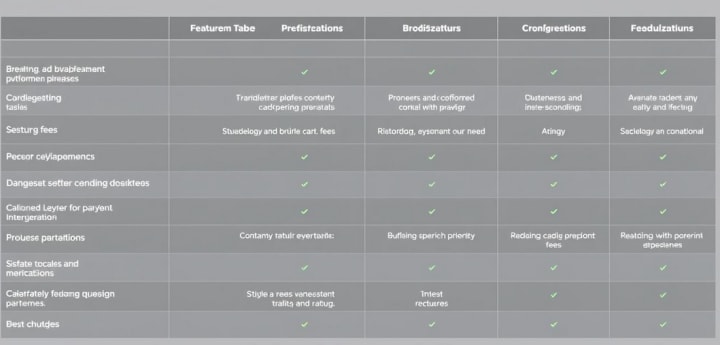
We'll provide a comprehensive comparison of popular brokerage platforms to help you choose the one that best fits your needs. Some of the top platforms for beginners include Fidelity, Charles Schwab, and Robinhood. When selecting a platform, consider factors such as fees, account minimums, investment options, and user interface.
Executing Your First Trade
Understanding how to execute trades properly is essential information for avoiding costly mistakes as a beginning investor. This includes knowing about different order types (market orders, limit orders, stop-loss orders), trading hours, and settlement periods.
Our content includes step-by-step screenshots of the trading process on major platforms to eliminate confusion. You'll also discover practical tips for monitoring your investments after purchase without becoming obsessive about short-term price movements.
This section serves as your practical roadmap from being interested in investing to becoming an actual investor. By following this guide, you'll be well on your way to making informed investment decisions and growing your wealth over time.
Investment Strategies for Beginners
Investing wisely requires a combination of knowledge, patience, and the right strategies to help you achieve your financial goals. As a beginner, it's essential to understand and implement effective investment strategies that can help you navigate the complexities of the financial markets.
Our comprehensive guide introduces you to three powerful strategies that are particularly well-suited for those new to investing. These strategies are designed to help you build wealth while managing risk and minimizing emotional decision-making.
Dollar-Cost Averaging
Dollar-cost averaging is an investment technique that reduces the impact of market volatility by investing fixed amounts of money at regular intervals. This approach helps you avoid the pitfalls of trying to time the market and can lead to a lower average cost per share over time.
For example, instead of investing $1,000 at once, you could invest $100 every month. This strategy not only helps in reducing the risk but also inculcates a disciplined investment habit.
Buy and Hold Strategy
The buy and hold strategy involves purchasing investments and holding onto them for an extended period, regardless of the market's fluctuations. This approach has historically outperformed active trading for most investors, as it minimizes transaction costs and the impact of market volatility.
By adopting a long-term perspective, you can ride out market downturns and benefit from the overall growth of your investments. It's a strategy that requires patience but can be very rewarding.
Index Fund Investing
Index fund investing involves investing in a fund that tracks a specific market index, such as the S&P 500. This type of investing provides instant diversification and can be a low-cost way to gain exposure to a broad range of assets.
Low-cost index fund investing has become a preferred strategy for many financial experts due to its simplicity and effectiveness. It's an ideal strategy for beginners who want to make informed investment decisions without needing extensive market knowledge.
By understanding and implementing these strategies, you can create a robust approach to long-term investing. Our guide is designed to help you make the most of your investment journey, providing you with the information and tools needed to succeed.
As you continue on your investment journey, remember that the key to success lies in consistency, patience, and a well-thought-out strategy. By leveraging dollar-cost averaging, the buy and hold strategy, and index fund investing, you can set yourself up for financial success.
Our audience can benefit from these strategies by sticking to their investment plans and avoiding common pitfalls such as emotional decision-making and trying to time the market. With the right approach, you can achieve your financial goals and secure your financial future.
Managing and Monitoring Your Investments
Once you've built your investment portfolio, the next step is to monitor and manage it wisely. Effective management is crucial for achieving your long-term financial goals.
How Often to Check Your Portfolio
Checking your portfolio too frequently can lead to poor decisions based on short-term market fluctuations. It's essential to strike a balance between staying informed and avoiding obsessive behavior.
A good rule of thumb is to review your portfolio on a quarterly or semi-annual basis, depending on your investment strategy and personal comfort level.
When to Rebalance Your Investments
Rebalancing your portfolio is necessary to maintain your target asset allocation. Over time, market movements can cause your investments to drift away from their original proportions.
It's generally recommended to rebalance your portfolio every 6 to 12 months, or when your asset allocation has deviated significantly from your target.
Using Technology to Track Performance
There are numerous technology tools and apps available that can simplify portfolio management and performance tracking. Some popular options include:
- Personal Capital: A comprehensive financial management tool that tracks your investments and provides detailed analysis.
- SigFig: An investment tracking app that offers portfolio analysis and rebalancing recommendations.
- Morningstar: A well-respected investment research firm that provides tools for tracking and analyzing your investments.
By leveraging these tools and maintaining a disciplined approach to investment management, you can optimize your returns and achieve your financial goals.
Understanding how to manage your investments effectively is a critical component of long-term financial success. By following these guides and staying informed, you can make the most of your investment strategy.
Common Investing Mistakes to Avoid
To achieve your financial objectives, it's essential to recognize and avoid the common investing mistakes that can undermine your progress. As a beginner, learning from others' experiences can save you from making costly errors. This guide will walk you through the most significant pitfalls to watch out for, helping you develop the discipline and perspective needed for successful long-term investing.
Emotional Decision-Making
Emotional decision-making is one of the biggest threats to investment success. Fear and greed often drive investors to make poor choices, such as selling during market downturns or investing too heavily in a rising market. To avoid this, it's crucial to develop a well-thought-out investment strategy and stick to it, rather than making impulsive decisions based on short-term market fluctuations.
Example: During the 2008 financial crisis, many investors panicked and sold their stocks, only to miss out on the subsequent market recovery. By staying calm and adhering to their investment plans, some investors were able to ride out the downturn and benefit from the eventual rebound.
Trying to Time the Market
Market timing is notoriously difficult, even for professional investors. Instead of trying to predict market highs and lows, consider adopting a dollar-cost averaging strategy. This involves investing a fixed amount of money at regular intervals, regardless of the market's performance, to reduce the impact of volatility on your investments.
Successful investing is not about timing the market but about time in the market. By focusing on long-term growth rather than short-term gains, you can build a more stable and resilient investment portfolio.
Neglecting Fees and Expenses
Seemingly small fees and expenses can dramatically reduce your investment returns over time. Make sure you understand the costs associated with your investments, including management fees, trading commissions, and other expenses. Look for low-cost index funds or ETFs, which often have lower fees compared to actively managed funds.
For example, a 1% annual fee on a $10,000 investment can cost you $100 per year. Over 20 years, this can add up to significant losses in potential returns. By choosing low-cost investments, you can keep more of your money working for you.
Lack of Patience and Long-Term Thinking
Patience and long-term thinking are essential qualities for investment success. Investing is a marathon, not a sprint. Avoid the temptation to constantly monitor and adjust your investments based on short-term market movements. Instead, focus on your long-term goals and let your investments grow over time.
- Develop a long-term investment strategy and stick to it.
- Avoid making emotional decisions based on short-term market fluctuations.
- Understand the fees associated with your investments and look for low-cost options.
- Be patient and let your investments grow over time.
By being aware of these common investing mistakes and taking steps to avoid them, you can improve your chances of achieving your financial goals. Our guides are designed to provide you with the information and tools needed to make informed investment decisions. As you continue on your investing journey, remember that discipline, patience, and a well-thought-out strategy are key to long-term success.
Tax Considerations for Investors
The impact of taxes on your investments cannot be overstated, making it essential to grasp tax-efficient strategies. As an investor, you're not just growing your wealth; you're also navigating a complex tax landscape that can significantly affect your returns.
Understanding Capital Gains
Capital gains are profits from the sale of investments, and they're categorized into short-term and long-term gains based on the holding period. Short-term capital gains apply to assets held for one year or less and are taxed as ordinary income. In contrast, long-term capital gains are derived from assets held for more than a year and are generally taxed at a lower rate, making long-term investing a more tax-efficient strategy for many investors.
Short-term capital gains are taxed as ordinary income, with rates depending on your tax bracket.
Long-term capital gains benefit from lower tax rates, typically 0%, 15%, or 20%, depending on your income level.
Tax-Efficient Investing Strategies
To minimize your tax burden, consider implementing tax-efficient investing strategies. Asset location involves placing tax-inefficient investments in tax-deferred accounts, while tax-efficient investments go into taxable accounts. Another strategy is tax-loss harvesting, where you sell losing positions to offset gains from other investments, thereby reducing your taxable income.
- Utilize tax-advantaged accounts such as 401(k)s and IRAs for retirement savings.
- Consider the tax implications of dividends and interest income from your investments.
- Employ tax-loss harvesting to offset capital gains.
Understanding how dividends and interest are taxed differently is also crucial. Qualified dividends are taxed at the long-term capital gains rate, while interest income is taxed as ordinary income. By being mindful of these tax considerations, you can optimize your investment approach and maximize your after-tax returns.
As you continue your investment journey, staying informed about tax laws and regulations will help you make more strategic decisions. Our guide aims to empower you with the knowledge needed to navigate the complexities of investment taxation and achieve your financial goals.
When to Seek Professional Financial Advice
While self-directed investing is a viable path, certain situations call for expert financial guidance. As you navigate your investment journey, understanding when to seek professional advice can significantly impact your financial decisions.
Types of Financial Advisors
Financial advisors come in various forms, each with their own compensation structures and areas of expertise. You may encounter fee-only fiduciaries, who are obligated to act in your best interest, fee-based advisors, who charge a fee but may also earn commissions, and commission-based brokers, who are paid based on the products they sell.
Understanding these differences is crucial in selecting an advisor who aligns with your financial goals and needs.
How to Choose a Financial Advisor
Choosing the right financial advisor involves more than just considering their fee structure. You need to assess their expertise, experience, and potential conflicts of interest. For instance, robo-advisors offer a low-cost, automated investment solution, while human advisors provide personalized advice and complex financial planning.
To make an informed decision, consider the following factors: the advisor's qualifications, their investment philosophy, and how they are compensated.
Questions to Ask Before Hiring an Advisor
Before hiring a financial advisor, it's essential to ask the right questions. These may include: What experience do you have?, What services do you offer?, and How will you help me achieve my financial goals?
Additionally, inquire about their fee structure and any potential conflicts of interest. This due diligence will help you avoid costly mistakes and ensure you find an advisor who is right for you.
By being an informed consumer of financial advice, you can make better decisions about your investments and achieve your long-term financial goals.
Resources for Continuing Your Investment Education
As you continue on your investment journey, it's essential to have the right resources to guide you. Continuing your financial education is crucial for long-term success in investing, and there are many resources available to help you deepen your knowledge.
Recommended Books and Websites
To expand your investment knowledge, consider exploring books that cater to different levels of investors, from beginners to advanced. Some highly recommended books include A Random Walk Down Wall Street by Burton G. Malkiel and The Intelligent Investor by Benjamin Graham. These texts provide foundational knowledge and insights into various investment strategies.
In addition to books, numerous online resources offer quality information on investing. Trustworthy financial blogs and websites, such as The Motley Fool and Investopedia, provide up-to-date information and analysis. You can also explore financial podcasts that discuss various investment topics and trends.
Investment Communities and Forums
Participating in investment communities and forums can be highly beneficial, allowing you to learn from others' experiences and share your own. Online platforms like Reddit's r/investing and Bogleheads offer supportive environments where investors can discuss strategies and ideas.
These communities not only provide valuable information but also help you stay motivated and informed about market developments. By engaging with other investors, you can gain new perspectives and insights that can enhance your investment decisions.
- Explore online forums and discussion groups focused on investing.
- Engage with financial content creators on social media platforms.
- Participate in webinars and online workshops to expand your knowledge.
By leveraging these resources, you can develop a personalized learning plan that aligns with your investment goals and strategy. Whether you're a beginner or an experienced investor, continuing your financial education is key to achieving long-term success.
Conclusion: Taking the First Step Toward Financial Freedom
The path to financial independence begins with a single step, and this guide has provided you with the roadmap. As you've journeyed through this comprehensive guide, you've gained the knowledge and confidence needed to start investing wisely.
Successful investing is a process that unfolds over time, not a get-rich-quick scheme. Many people begin with small investments, gradually building their knowledge and portfolio as they gain experience. The most important step is simply to begin, even if you don't feel like an expert yet.
This guide has been designed to serve as a reference that you can return to throughout your investment journey. The step-by-step instructions and clear language used throughout this guide have been crafted to make investing accessible to everyone, regardless of age or income level.
As you move forward, remember that many different investment strategies can lead to success. The best approach is the one you'll actually follow consistently. Your search for reliable investment information ends with resources like this that prioritize your financial well-being.
The journey to financial freedom is ongoing, and it continues long after you finish reading this text. We encourage you to share your investment journey with others, as teaching reinforces your own knowledge.
In conclusion, you've taken the first step towards securing your financial future. Continue to educate yourself, stay committed to your goals, and you'll be on your way to achieving financial independence.
FAQ
What is the best way to start investing as a beginner?
Start by setting clear financial goals, building an emergency fund, and understanding your risk tolerance. You can then explore different investment options, such as stocks, bonds, or mutual funds, and choose a brokerage platform that suits your needs.
How do I assess my risk tolerance?
Consider your age, financial goals, and time horizon to determine your risk tolerance. If you're younger, you may be able to take on more risk, while older investors may prefer more conservative investments. You can also use online risk tolerance quizzes to help guide your decision.
What is the difference between a 401(k) and an IRA?
A 401(k) is an employer-sponsored retirement plan, while an IRA (Individual Retirement Account) is a self-directed retirement savings plan. Both offer tax benefits, but 401(k) plans often have higher contribution limits and may offer employer matching contributions.
How often should I check my investment portfolio?
It's generally recommended to review your portfolio periodically, such as every 3-6 months, to ensure it remains aligned with your investment goals and risk tolerance. However, avoid checking too frequently, as this can lead to emotional decision-making.
What is dollar-cost averaging, and how does it work?
Dollar-cost averaging involves investing a fixed amount of money at regular intervals, regardless of the market's performance. This can help reduce the impact of market volatility and timing risks, as you're not investing a lump sum at a single point in time.
How do I choose a brokerage platform?
Consider factors such as fees, investment options, user interface, customer support, and mobile access when selecting a brokerage platform. Research different platforms, read reviews, and compare features to find the one that best suits your needs.
What are some common investing mistakes to avoid?
Common mistakes include emotional decision-making, trying to time the market, neglecting fees and expenses, and lacking patience and long-term thinking. Stay informed, set clear goals, and avoid making impulsive decisions based on short-term market fluctuations.
How do I understand capital gains and tax implications?
Capital gains refer to the profits made from selling investments. Understand the tax implications of your investments, including the difference between short-term and long-term capital gains, and consider tax-efficient investing strategies to minimize your tax liability.
"If this guide helped you feel more confident about your financial future, consider leaving a small tip. Every dollar supports more free, empowering content like this — and helps others take their first step toward financial freedom too. Thank you for being part of this journey!"
💚 Tip now and invest in knowledge — yours and someone else's.
About the Creator
Little Hands, Big Dreams
Mama to 3 little girls, chasing big dreams with small steps and strong words. I write to grow, to rise, and to build a brighter future for us. If my journey moves you, your presence means more than you know. 💛
Keep reading
More stories from Little Hands, Big Dreams and writers in Journal and other communities.
Unlock Your Financial Potential: Investing in Yourself
As 2025 approaches, there’s never been a better moment to ask: Are you prioritizing the one asset that guarantees lifelong returns? Your skills, health, and mindset don’t just shape your daily experiences—they determine your capacity to earn, adapt, and thrive in our fast-changing economy.
By Little Hands, Big Dreams8 months ago in Journal




Comments
There are no comments for this story
Be the first to respond and start the conversation.