
The Beauty of Slow Living in a Fast-Paced World
Embracing Mindfulness, Balance, and Joy in Everyday Life

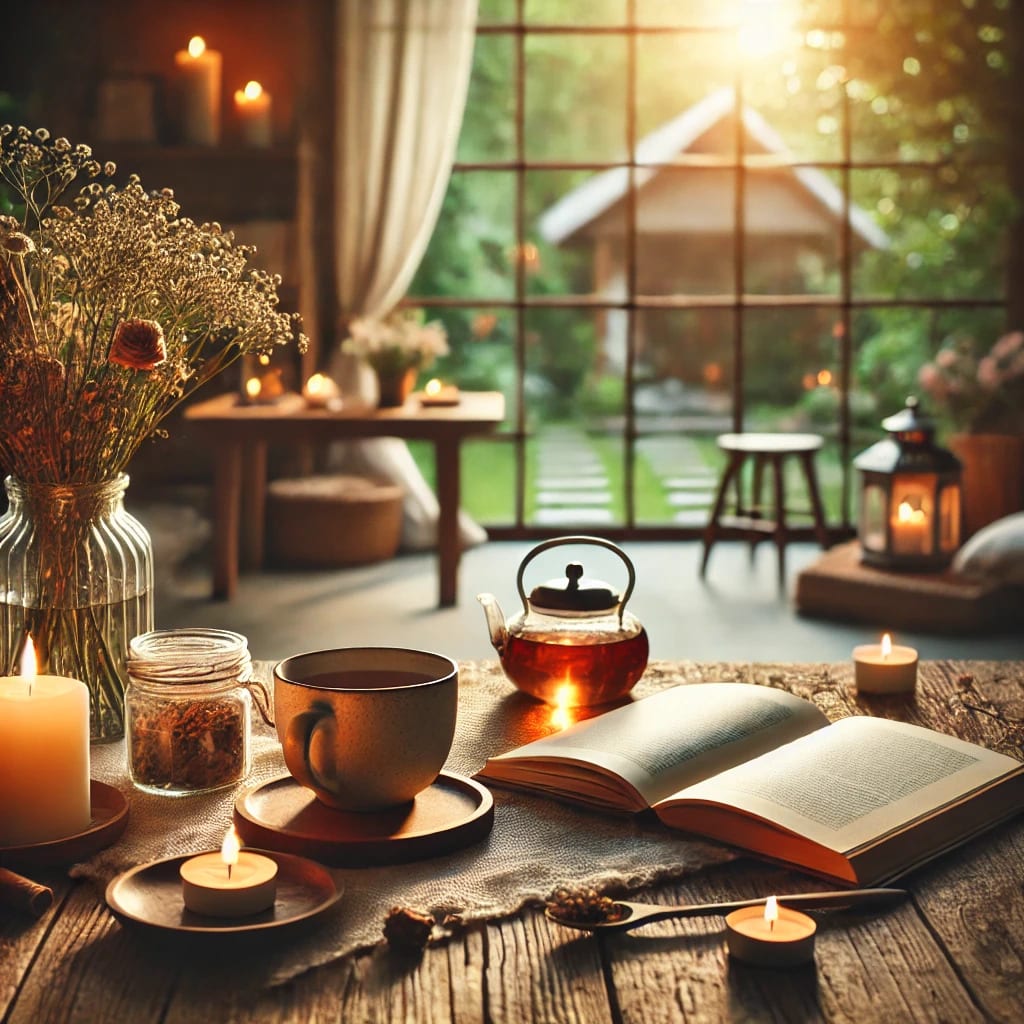
In today’s world, people are constantly rushing. From early morning alarms to late-night emails, life moves at an incredible speed. Many believe that being busy is a sign of success, but in reality, it often leads to stress and exhaustion. This is why the concept of slow living is becoming more popular. It is not about doing everything slowly but about being more mindful and intentional in daily life.
Slow living is a lifestyle that focuses on quality over quantity. It encourages people to take their time, enjoy small moments, and focus on what truly matters. It is about appreciating life’s simple pleasures, like drinking a cup of coffee without distractions, spending time with loved ones, or enjoying nature. This way of life does not mean avoiding responsibilities. Instead, it helps people manage their time better by prioritizing important tasks and letting go of unnecessary stress.
One of the biggest advantages of slow living is reduced stress levels. When people slow down, they feel more in control of their lives. They become less overwhelmed and more focused. Studies show that mindfulness and relaxation improve mental health, productivity, and overall happiness. Another benefit is stronger relationships. In a busy world, it is easy to forget to connect with family and friends. Slow living encourages people to be present in conversations, listen more, and build deeper connections.
Adopting a slow-living lifestyle does not mean making drastic changes. Unplugging from technology is a great first step. Many people spend hours scrolling through social media or responding to emails, which can increase stress and decrease productivity. Limiting screen time and focusing on real-life interactions can make a big difference in overall well-being. Another important aspect of slow living is enjoying simple activities. Reading a book, going for a walk, or cooking a meal with fresh ingredients can help people reconnect with themselves and their surroundings. These activities promote relaxation and provide a sense of fulfillment.
Prioritizing rest is another essential part of slow living. In modern society, people often sacrifice sleep to meet deadlines or complete tasks. However, getting enough sleep is crucial for physical and mental health. Taking breaks throughout the day and ensuring a good night’s sleep can improve focus, memory, and overall mood. Practicing gratitude is also a powerful way to embrace slow living. Taking a few minutes each day to appreciate small moments can shift the focus from what is missing to what is present. Writing down three things to be grateful for can increase happiness and reduce stress.
Slow living is not just about personal benefits; it also positively impacts the environment. A fast-paced lifestyle often leads to excessive consumption, waste, and a lack of consideration for sustainability. By slowing down, people become more aware of their choices. They may choose to support local businesses, buy sustainable products, or reduce their carbon footprint by using fewer resources. Living mindfully helps create a healthier planet for future generations.
The origins of slow living can be traced back to the Slow Food Movement in the 1980s, which started in Italy as a response to the rise of fast food culture. This movement emphasized the importance of enjoying meals, using fresh ingredients, and preserving traditional cooking methods. Over time, the concept expanded beyond food to other aspects of life, encouraging people to slow down in work, relationships, and daily routines. Today, slow living has become a global movement, with people from different cultures adopting its principles to improve their quality of life.
One of the misconceptions about slow living is that it is only for people who have the luxury of time. However, anyone can incorporate slow living into their routine, regardless of their schedule. It is not about doing less but about doing things with more intention. For example, instead of rushing through a meal, one can take the time to enjoy each bite and appreciate the flavors. Instead of multitasking, focusing on one task at a time can improve efficiency and reduce stress. Small changes can lead to significant improvements in overall well-being.
Another aspect of slow living is creating a balanced work-life routine. Many people feel pressured to be constantly productive, leading to burnout and dissatisfaction. Setting boundaries between work and personal life is essential for maintaining mental and emotional health. Taking time for hobbies, spending quality moments with family, and ensuring adequate rest can enhance overall happiness and productivity. Employers and organizations are also recognizing the importance of work-life balance and promoting flexible work arrangements to support their employees’ well-being.
Minimalism is closely related to slow living. Decluttering physical spaces can help create a sense of calm and order. Many people accumulate unnecessary possessions, leading to cluttered homes and mental stress. By adopting a minimalist approach, individuals can focus on what truly adds value to their lives. This does not mean getting rid of everything but rather being mindful of what is essential. A clean and organized space can improve focus, reduce anxiety, and create a more peaceful environment.
Spending time in nature is another way to embrace slow living. In urban settings, people are often surrounded by noise, traffic, and screens, which can be overwhelming. Taking a walk in the park, hiking in the mountains, or simply sitting outside and listening to the sounds of nature can be incredibly refreshing. Studies have shown that spending time in green spaces reduces stress, boosts creativity, and improves overall well-being. Nature has a way of grounding people and reminding them of the beauty of the present moment.
Mindfulness and meditation are powerful practices that complement slow living. Mindfulness involves being fully present in the moment without judgment. It can be practiced during daily activities such as eating, walking, or even breathing. Meditation, on the other hand, is a focused practice that helps calm the mind and reduce stress. Both practices have been scientifically proven to improve emotional resilience, increase self-awareness, and promote a greater sense of peace. Incorporating mindfulness and meditation into daily routines can enhance the overall experience of slow living.
The digital age has brought many conveniences, but it has also led to information overload and constant distractions. Notifications, emails, and social media updates can make it difficult to focus on the present. Digital detoxing, or taking intentional breaks from screens, can help restore mental clarity and improve relationships. Setting boundaries, such as limiting phone use before bedtime or designating screen-free hours, can create a healthier relationship with technology and allow more time for meaningful activities.
Slow travel is another growing trend within the slow living movement. Instead of rushing from one tourist attraction to another, slow travel encourages people to immerse themselves in the local culture, connect with the community, and fully experience each destination. This type of travel promotes deeper connections, greater appreciation for different cultures, and a more enriching travel experience. Whether exploring a new city or visiting a familiar place, taking the time to engage with the surroundings can make travel more meaningful.
The impact of slow living extends beyond individuals to society as a whole. When people slow down, they become more compassionate, understanding, and present. They listen more attentively, appreciate relationships, and contribute positively to their communities. This shift in mindset can lead to a more harmonious and supportive society, where well-being is prioritized over constant productivity and material success. By embracing slow living, people can foster a culture of mindfulness, kindness, and balance.
Despite the many benefits of slow living, it is not always easy to implement. Society often promotes the idea that being busy equates to being successful. Many individuals feel guilty when they take breaks or prioritize rest. However, redefining success as a balanced and fulfilling life can help shift this perspective. Success is not just about achieving goals but also about enjoying the journey. Recognizing that rest and relaxation are essential for long-term well-being can make it easier to embrace slow living.
Ultimately, slow living is about creating a life that aligns with personal values and priorities. It is about being intentional with time, energy, and resources. By slowing down, people can cultivate deeper connections, appreciate the present moment, and find joy in everyday experiences. It is not about doing less but about living more fully. In a world that constantly pushes for speed and efficiency, choosing to slow down is a radical and rewarding act.
Slow living is a powerful way to improve well-being and find peace in a chaotic world. By making small changes, anyone can experience the benefits of a more intentional, fulfilling life. In the end, it is not about how fast we move, but how much we enjoy the journey. By incorporating gratitude, presence, and connection into daily life, individuals can experience deeper fulfillment. The journey to happiness does not require waiting for significant milestones; it begins with appreciating what is already present. In the end, joy is not about the quantity of experiences but the quality of how they are embraced and cherished.
About the Creator
Rizumu
Hey, I’m Rhythm (aka Rizumu)! A Mechanical Engineer with a passion for 3D Printing, Automation, and Energy Management, but also a Manga Artist, Animation Creator, and Writer. I explore tech, art, anime, and creativity—stick around!
A Timeless Expression of Love Across Generations
Love has always found a way to express itself, even when separated by time, distance, or circumstance. For centuries, love letters have been a powerful way for people to share their deepest emotions, hopes, and dreams. Whether written on delicate parchment or sent as a digital message, these words hold a timeless beauty that connects hearts across generations.
By Rizumu11 months ago in Confessions
The goals I did not achieve
Every writing goal I made for the year is a wash. It has been this way for a while, but I think it's important to be open about my failures and the reality of how life can get in the way. This is especially true considering the several times I have posted on Vocal about my writing goals, how I was changing my approach, and where I was hoping to be for the upcoming year. I will probably do that again in a couple months, but for now, it is time to acknowledge where I am today.
By Kay Husnick22 days ago in Journal
The Early Church Fathers and Why Their Writings Matter Today
The Early Church Fathers are some of the most important figures in the history of Christianity. Their writings, letters, sermons, and theological reflections helped define the beliefs, practices, and structure of the Church in the centuries following Christ. Understanding who the Church Fathers were and why their works matter today is essential for anyone seeking to understand Catholic teaching, tradition, and the roots of Christian faith.
By Sound and Spirit4 days ago in Journal



Comments
There are no comments for this story
Be the first to respond and start the conversation.