
The App That’s Changing Diabetes Care Forever
How technology, data, and patient empowerment are reshaping the future of the Digital Diabetes Management Market
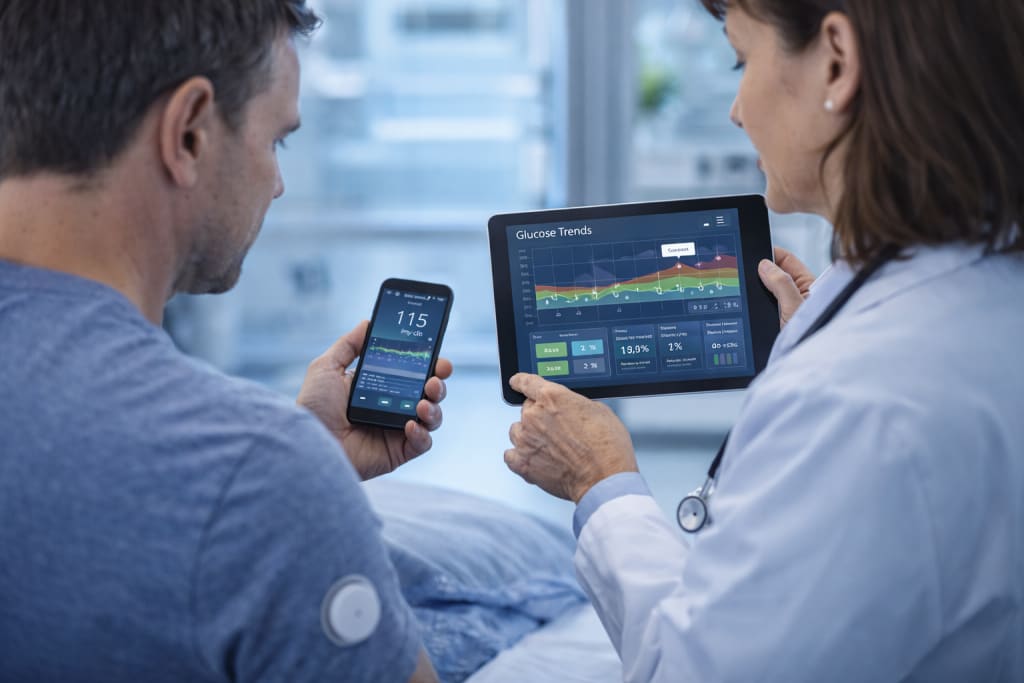
The phone buzzes gently on the bedside table.
Before the day even begins, a small notification appears on the screen: Glucose levels stable.
For millions of people living with diabetes, that tiny message carries enormous meaning. It represents reassurance, control, and a sense of stability in a condition that once demanded constant uncertainty.
Only a decade ago, managing diabetes meant finger-prick tests several times a day, handwritten logs, and frequent clinic visits. Today, digital tools are transforming that experience. Smartphones, wearable glucose monitors, cloud-connected apps, and artificial intelligence are reshaping how patients and doctors track and treat one of the world’s most common chronic diseases.
At the center of this transformation lies the rapidly expanding Digital Diabetes Management Market.
According to Mordor Intelligence, the market is projected to grow at a compound annual growth rate (CAGR) of 10.82% during the forecast period (2026–2031).
But beyond the statistics, the real story is about empowerment.
Technology is giving patients unprecedented visibility into their health—and changing how diabetes care works forever.
When Healthcare Moved to the Smartphone
Imagine living with a condition that requires constant monitoring.
Every meal, every workout, every stressful day can shift blood sugar levels in unpredictable ways. Managing diabetes has always required careful attention and daily discipline.
For decades, the process was manual.
Patients recorded readings in notebooks, calculated insulin doses by hand, and relied heavily on periodic doctor visits to adjust treatment plans. The delay between data collection and medical advice often made optimal control difficult.
Digital health tools changed that equation.
Modern diabetes management platforms combine several technologies into a seamless ecosystem:
Continuous glucose monitoring devices (CGMs) that measure blood sugar levels every few minutes
Mobile applications that visualize glucose patterns and health data
Connected insulin delivery systems that assist with dosage adjustments
Cloud platforms that allow doctors to remotely monitor patient data
Instead of reacting to problems after they occur, patients and clinicians can now anticipate them.
For example, a digital platform might detect that a patient’s glucose levels spike consistently after certain meals. With that insight, doctors can adjust treatment plans or recommend lifestyle changes almost immediately.
This constant feedback loop is one of the biggest drivers behind the growth of the Digital Diabetes Management Market, which Mordor Intelligence reports is expected to expand at a CAGR of 10.82% between 2026 and 2031.
Why Digital Diabetes Care Is Growing So Fast
Several powerful forces are accelerating adoption of digital diabetes tools.
The first is the global rise in diabetes prevalence.
Millions of new cases are diagnosed each year, creating an urgent need for scalable solutions that allow healthcare systems to manage large patient populations effectively.
Digital platforms offer a practical answer.
Instead of requiring frequent in-person visits, clinicians can monitor patients remotely and intervene only when necessary. This reduces pressure on healthcare facilities while improving disease management.
The second major driver is patient empowerment.
Modern patients want to understand their health data. Digital diabetes platforms provide detailed visualizations of glucose trends, daily activity, and nutritional impact.
With this information, patients can make smarter decisions in real time.
The third factor is integration with wearable technology.
Devices such as continuous glucose monitors and smart insulin pens generate constant streams of data. When paired with mobile apps and AI-powered analytics, these tools help patients and doctors uncover patterns that were once invisible.
Some platforms can even predict glucose fluctuations hours in advance.
This predictive capability represents a major step toward proactive healthcare.
AI and Data Are Transforming Chronic Disease Care
Artificial intelligence is quietly becoming one of the most powerful tools in diabetes management.
Digital platforms now analyze thousands of data points—glucose levels, activity patterns, food intake, medication schedules—to identify trends that might otherwise go unnoticed.
For instance, an AI-driven system might recognize that a patient’s blood sugar rises consistently after a certain type of meal or during periods of poor sleep.
Once identified, the system can provide tailored recommendations.
Some digital diabetes management systems now offer:
- Automated insulin dosing suggestions
- Predictive alerts for potential glucose spikes
- Personalized dietary insights
- Remote physician dashboards for continuous monitoring
These capabilities reduce the cognitive burden on patients while improving treatment accuracy.
Instead of guessing how their bodies will react to certain foods or activities, patients receive real-time guidance based on data.
This transformation is one reason the Digital Diabetes Management Market is expanding steadily, with Mordor Intelligence projecting a CAGR of 10.82% through 2031.
But the impact goes beyond technology.
It’s changing how patients emotionally experience chronic illness.
Living With Diabetes in the Digital Age
For many people, diabetes used to feel isolating.
Managing the condition required constant vigilance, yet support was often limited to periodic doctor visits.
Digital health platforms are changing that experience.
Today, patients can:
Share real-time data with healthcare providers
- Join online communities for peer support
- Receive automated reminders and coaching
- Access personalized health insights through mobile apps
Instead of feeling alone, patients are now part of a connected ecosystem of care.
Doctors benefit too.
Continuous patient data provides a far more detailed understanding of disease progression than occasional clinic measurements.
This allows clinicians to adjust treatments earlier, prevent complications, and provide more precise medical advice.
Over time, these improvements may reduce the long-term health risks associated with diabetes.
The Future of Diabetes Care Is Digital
Healthcare is entering a new era where data and technology work alongside medicine to improve patient outcomes.
For diabetes management, this shift is especially significant.
Chronic diseases require daily monitoring and long-term lifestyle adjustments—areas where digital tools excel.
In the coming years, we may see even more advanced innovations, including:
AI-driven predictive treatment plans
Fully automated insulin delivery systems
Integrated wearable ecosystems combining glucose, heart rate, and metabolic data
Remote healthcare platforms powered by telemedicine
Together, these technologies could dramatically improve the quality of life for millions of people living with diabetes.
And as adoption continues to rise, the Digital Diabetes Management Market is poised to grow steadily, with Mordor Intelligence forecasting a compound annual growth rate of 10.82% between 2026 and 2031.
For patients, the real impact is simple.
Instead of constantly worrying about their condition, they can focus on living their lives—with technology quietly supporting their health in the background.
A small notification on a phone screen might seem insignificant.
But for someone managing diabetes, it represents something powerful:
Control.
Confidence.
And a future where chronic disease no longer dictates daily life.
Digital health is transforming the way we manage long-term conditions.
But as technology becomes more deeply integrated into healthcare, an important question remains:


Comments
There are no comments for this story
Be the first to respond and start the conversation.