
💸 The $70 Grip: Analyzing Apple’s Strategy Behind the Sold-Out Hikawa iPhone Accessory
Beyond function: How the collaboration with designer Bailey Hikawa validates a premium market for iPhone grips and why consumers are lining up to pay $70 for simplicity.

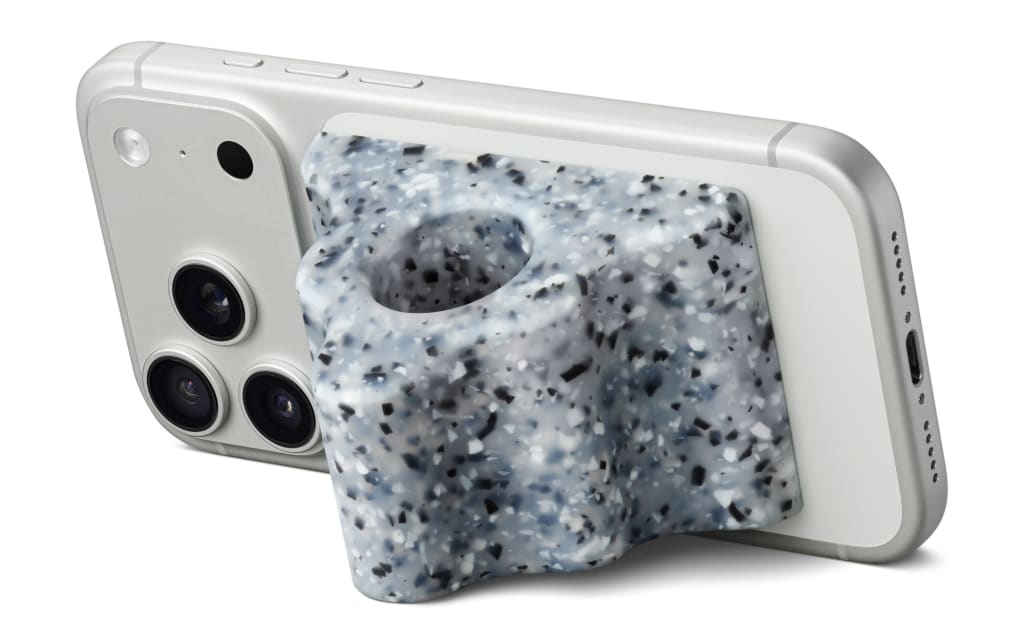
Apple’s accessory ecosystem has always been characterized by a premium price point, transforming even the simplest peripheral into a statement piece. The latest example of this marketing prowess is the launch of the Hikawa iPhone Grip and Stand, sold through the Apple Online Store for $70 USD. Despite the seemingly high price for a simple phone grip, the accessory, a collaboration with designer Bailey Hikawa, sold out within a day of its launch on November 22nd.
This immediate sell-out is more than a supply chain hiccup; it's a profound validation of Apple's strategy of merging minimalist industrial design with high-end lifestyle branding. The Hikawa Grip is not just a functional item; it’s a design object, and its rapid market success provides critical insight into the consumer willingness to pay a significant premium for the Apple-vetted aesthetic.
The Collaboration Model: Function Meets High Design
The $70 price tag can be primarily attributed to the marriage of functionality and exclusive design. Apple’s decision to partner with designer Bailey Hikawa—known for combining playful, sculptural forms with practical everyday objects—immediately elevates the product beyond the generic accessory market.
Aesthetic Justification: The Hikawa grip likely adheres to a distinct design philosophy, using unique materials (perhaps recycled plastics or specialized finishes) and a form factor that complements the iPhone’s own premium industrial design. The smooth, matte texture and clean lines ensure the accessory feels like a seamless extension of the iPhone, not an afterthought. The $70 price is, therefore, a tax on the design IP and brand synergy.
The Stand and Grip Functionality: The accessory is advertised as a two-in-one product: a secure grip for handling and a stand capable of positioning the phone in multiple orientations (portrait and landscape). While the function is simple, the engineering challenge is ensuring the mechanism is stable, durable, and thin enough to maintain the phone’s portability—a quality Apple prioritizes above all else. Consumers are paying for the guarantee that the hinge or mechanism won't fail after a few months of use.
The "Apple Effect": Validating the Price Premium
The rapid sell-out of the Hikawa Grip confirms the enduring strength of the "Apple Effect" in the accessories market:
Implied Quality Assurance: When an accessory is sold directly through the Apple Online Store, it carries an implied stamp of approval. Consumers trust that the product meets Apple’s stringent quality control standards, particularly regarding safe attachment (likely MagSafe compatibility, though not explicitly mentioned) and material durability. This trust justifies the price leap over a comparable $15 grip on Amazon.
The Luxury Signal: For many consumers, buying a $70 accessory from Apple is an extension of the iPhone’s status symbol. It signals a willingness to invest in premium lifestyle peripherals. The Hikawa Grip becomes a subtle, fashionable statement that aligns with the user’s self-perception as a sophisticated tech consumer.
Controlled Scarcity: While the sell-out may reflect high demand, it is also a deliberate marketing strategy. Launching with limited stock drives immediate press coverage and creates a sense of urgency and exclusivity. The fact that the item was "gone after one day" guarantees viral buzz, fueling even higher demand for the next restock.
Market Implications: The Accessory Gold Rush
The success of the Hikawa Grip validates a vast, untapped potential for high-end, designer-led smartphone accessories.
Designer Collaborations: This model opens the door for Apple to engage in more frequent, high-profile collaborations with architects, fashion houses, and industrial designers. This transforms the accessory market from a focus on protection to a focus on personal style and collectible items.
Pricing Ceiling Lifted: The $70 price point for a non-electronic, non-charging grip effectively raises the psychological ceiling for what consumers are willing to spend on smartphone peripherals. This provides cover for other third-party accessory makers to increase their own pricing across battery packs, wallets, and stylized cases.
Conclusion: A Simple Product, A Complex Strategy
The Hikawa iPhone Grip is a minimalist product with a maximalist strategy. It perfectly encapsulates Apple’s business model: partner with a designer to create a beautiful, functional item; sell it at a premium price point supported by the Apple brand validation; and control supply to generate overwhelming demand.
The $70 grip, now a temporary ghost in the Apple store, proves that the functional necessity of an item is secondary to its aesthetic appeal and the exclusive brand experience it offers. For the average iPhone user, the Hikawa Grip is just a stand; for Apple, it’s a beautifully designed, highly profitable market signal.
About the Creator
Author’s Advice
If you would’ve asked me 20 years ago did I know I’d become a writer and an author, I would’ve said “nope, ain’t happening”. As fate would have it I did become an author and I can honestly say I’m loving it so far. It really does feel good to be a writer. I’ve learned a lot on this journey and I feel like with even me being as new to this world as I am, there’s some wisdom I need to share with every other aspiring author.
By Joe Patterson4 days ago in Journal
Strengthening Clinical Governance and Accountability in Nursing Practice Through CPD
Clinical governance is central to quality and safe healthcare delivery. It reflects the system through which organisations remain accountable for continuously improving service quality and maintaining high standards of care. As the largest professional workforce in the health system, nurses play a critical role in ensuring these systems function effectively every day. Continuing Professional Development supports nurses to meet this responsibility with confidence and capability.
By Angelo Ean4 days ago in Journal




Comments
There are no comments for this story
Be the first to respond and start the conversation.