
The 2026 Winter Olympics and the Weight of Waiting
Every four years, winter asks the world to pause and watch. Snow-covered mountains, quiet villages, and cold air suddenly carry global attention.

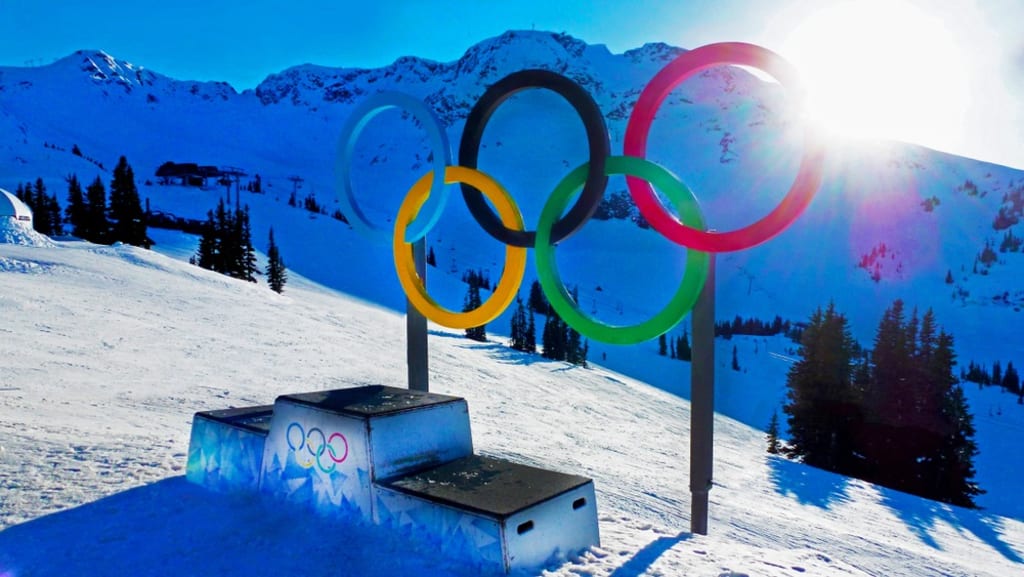
Every four years, winter asks the world to pause and watch. Snow-covered mountains, quiet villages, and cold air suddenly carry global attention. The 2026 Winter Olympics arrive with that same familiar feeling, but something about this edition feels heavier, more reflective. Maybe it is the world we are coming from. Maybe it is the places chosen to host. Or maybe it is the athletes who have spent years preparing in silence, far from applause. These Games are not just about medals or records. They are about patience, resilience, and the quiet hope that still lives in sport. Long before the opening ceremony, the 2026 Winter Olympics are already asking a simple question. What does it mean to come together now?
What Makes the 2026 Winter Olympics Different
A Shared Italian Host
The 2026 Winter Olympics will be held across multiple cities in Italy, with Milan and Cortina d’Ampezzo at the center. This shared hosting approach reflects a change in how the Games fit into modern life.
Instead of building everything from scratch in one place, events are spread across existing venues. Mountain towns host snow sports. Urban areas host ice events. This choice respects the land and the people who already live there.
It also changes how viewers experience the Games. Each location has its own rhythm, history, and mood.
A Blend of Old and New Settings
Cortina d’Ampezzo is no stranger to winter sport. It has hosted major events before and carries a deep connection to alpine culture. Milan, on the other hand, is known for fashion, industry, and busy streets.
This contrast matters. The 2026 Winter Olympics will move between quiet mountain mornings and city nights filled with movement. That shift mirrors the lives of many athletes who train in isolation but compete on global stages.
The Long Road to 2026
Athletes Growing Into The Moment
For many athletes, the 2026 Winter Olympics have been a distant target since childhood. Some will arrive as veterans, carrying the memory of past Games. Others will be there for the first time, still surprised they made it.
Winter sports demand patience. Injuries are common. Progress is slow. Years can pass without recognition. These athletes build careers in small steps, often far from cameras.
Training in a Changing World
Training for winter sports has become more uncertain. Weather patterns shift. Snow seasons change. Athletes adapt constantly.
Some train on artificial surfaces. Others travel farther than ever to find consistent conditions. The 2026 Winter Olympics sit at the end of these adjustments, shaped by years of compromise and creativity.
Sports That Will Define the Games
Alpine Skiing and the Pressure of Speed
Alpine skiing remains one of the most watched events. It combines beauty and danger in a way few sports can match.
At the 2026 Winter Olympics, courses in the Italian Alps will test precision. One small mistake can erase years of preparation.
Viewers often focus on speed. What they do not see is the discipline required to slow the mind while moving fast.
Figure Skating and Quiet Intensity
Figure skating brings a different kind of tension. The ice is silent, but the pressure is loud.
Skaters prepare routines for years, adjusting tiny details. One slip can change everything. At the 2026 Winter Olympics, many skaters will carry expectations built since their teenage years.
This sport shows how control and emotion can exist in the same moment.
Ice Hockey and Collective Identity
Ice hockey at the Winter Olympics is about more than individual skill. It is about systems, trust, and timing.
National teams often have limited time to train together. They rely on shared habits and instinct. In 2026, the mix of professional players and rising talent will shape how teams approach the tournament.
Every goal carries the weight of national pride.
The Role of Smaller Sports
Curling and Strategic Calm
Curling may look slow, but it demands intense focus. Teams read the ice like a living surface.
At the 2026 Winter Olympics, curling will once again remind viewers that strategy matters as much as strength. Matches are often decided by patience rather than power.
Nordic Events and Endurance
Cross-country skiing, biathlon, and ski jumping require endurance that is hard to explain. Athletes push through pain in cold conditions, often alone.
These sports rarely get headlines, but they represent the heart of winter competition. The 2026 Winter Olympics will depend on them to balance spectacle with grit.
Italy as a Cultural Backdrop
History in Every View
Italy brings history into everything it hosts. From architecture to food, the sense of time is strong.
Athletes arriving for the 2026 Winter Olympics will compete in places shaped by centuries of life. That setting adds weight to every event.
Local Communities and the Games
Hosting the Olympics changes daily life. Roads close. Crowds arrive. Routines shift.
Italian communities involved in the 2026 Winter Olympics will feel both pride and strain. Many locals have lived in these areas for generations. Their relationship with the Games is personal, not abstract.
Their support shapes the atmosphere athletes experience.
Sustainability and Responsibility
Using What Already Exists
One key focus of the 2026 Winter Olympics is using existing venues. This choice reduces disruption and long-term damage.
Rather than building empty arenas, organizers aim to respect landscapes. This matters in mountain regions where nature is fragile.
It also sets an example for future hosts.
Environmental Concerns in Winter Sports
Winter sports depend on cold weather. As conditions become less predictable, the future feels uncertain.
The 2026 Winter Olympics sit at a turning point. They cannot ignore environmental reality. Athletes, organizers, and fans are more aware than ever.
These Games may influence how winter sport survives in the decades ahead.
Media, Attention, and Pressure
Life Under Constant Observation
Modern athletes live under constant observation. Social media follows every result, every mistake.
By the time of the 2026 Winter Olympics, many competitors will already be used to scrutiny. Still, the scale of attention during the Games is unmatched.
Handling that pressure is a skill few talk about, but many struggle with.
Telling Stories Beyond Medals
Coverage often focuses on winners. Yet the deeper stories live elsewhere.
An athlete finishing last after years of struggle. A team rebuilding after loss. The 2026 Winter Olympics will be full of these moments, whether cameras notice or not.
Youth, Age, and Timing
Young Athletes Arriving Early
Some competitors will barely be adults when they reach the 2026 Winter Olympics. Their talent arrives before life experience.
These athletes often learn harsh lessons quickly. Success brings praise. Failure brings doubt.
How they handle their first Games can shape entire careers.
Veterans Facing Final Chances
For older athletes, 2026 may be the last chance. Bodies change. Recovery slows.
These competitors bring wisdom and restraint. They understand what the Games give and take away.
Their presence adds emotional depth to competition.
The Opening Ceremony and Symbolism
More Than a Performance
Opening ceremonies aim to tell a story. Italy’s story is rich, complex, and layered.
The 2026 Winter Olympics ceremony will likely focus on connection between land, culture, and sport. These moments set the tone before competition begins.
Athletes watch from the field, knowing the real test is still ahead.
A Pause Before the Storm
There is a calm that exists only during opening ceremonies. After that, everything speeds up.
For many athletes, this is the last moment of stillness. The 2026 Winter Olympics will move quickly once competition starts.
Fans and Global Viewers
Watching From Afar
Not everyone can travel to Italy. Most people will watch from home, late at night or early morning.
These viewers form quiet connections with athletes they may never meet. A single performance can inspire years of admiration.
The 2026 Winter Olympics will live in living rooms across the world.
Shared Moments Across Borders
Despite politics and differences, the Olympics still create shared moments.
A perfect run. An unexpected win. A visible emotion. These moments cross borders without effort.
That shared experience remains one of the Games’ strongest values.
Technology and Judging
Precision and Fairness
Judging in winter sports is complex. Tiny margins decide outcomes.
By 2026, systems for timing and scoring will be more precise. Still, controversy is inevitable. Human judgment cannot be removed entirely.
The 2026 Winter Olympics will test trust in systems and officials.
The Athlete’s Perspective
For athletes, fairness is personal. One call can change years of work.
Learning to accept results, even disputed ones, is part of Olympic maturity.
The Emotional Cost of Competition
Winning Does Not Erase Everything
Medals bring joy, but they do not erase sacrifice. Many athletes reach the podium carrying private struggles.
The 2026 Winter Olympics will celebrate winners, but behind each smile is a complex journey.
Loss and Letting Go
Not everyone leaves satisfied. Most do not.
Some athletes finish knowing they gave everything. Others leave with regret. Both outcomes are part of the Games.
Life After the 2026 Winter Olympics
Returning to Normal Life
After the closing ceremony, athletes return home. Applause fades. Training resumes or ends.
The transition is often difficult. Identity shifts. Purpose must be rebuilt.
The 2026 Winter Olympics will mark endings as much as beginnings.
What Remains
What remains are memories. Photos. Quiet pride.
For some, the Games change life direction. For others, they become one chapter in a longer story.
Final Reflections on the 2026 Winter Olympics
The 2026 Winter Olympics are not just an event on a calendar. They are the result of years of waiting, training, and hoping. They bring together places shaped by history and athletes shaped by endurance. In Italy, snow and ice will once again carry human effort into view. When the Games end, medals will be counted and records remembered. But the deeper value will live in moments that cannot be measured. A steady breath before a run. A hand on a teammate’s shoulder. A quiet acceptance of whatever comes next. That is where the real meaning of the 2026 Winter Olympics will rest.
About the Creator
Muqadas khan
Hi! Welcome to my Vocal page. I’ll be sharing fresh articles every day covering stories, ideas, and a bit of inspiration to brighten your feed. Thanks for reading and supporting daily writing! 📖💫
Keep reading
More stories from Muqadas khan and writers in Journal and other communities.
The Quiet Generosity of Mackenzie Scott and What It Teaches Us
There are public figures who fill headlines with noise, and then there are those who move quietly through the world, choosing purpose over attention. Mackenzie Scott belongs to the second group. Her decisions, especially in recent years, have created a kind of conversation that goes far beyond wealth. People are drawn to her because she gives without asking for praise, speaks without seeking applause, and approaches generosity with a simplicity that feels rare in today’s world. Her choices make us think about what responsibility looks like, how kindness can reshape entire communities, and what it means to help without needing to be seen.
By Muqadas khan2 months ago in Journal
~ Fired ~
— Ai Intrusion ~ Are you Next ~ Is Ai Evolution after your job? — Few workplaces haven't been affected. Ai is in supermarkets, at doctors' offices, and even monitoring farms. I just can't think of anything this machine is not getting into, can you? For instance: Education ~ Law and Tech jobs will one day have a major influence or be taken over by these inanimate machines, with accuracy and vigor. From mechanics' diagnoses to a wide variety of everyday jobs, including fast food workers, with this input having the ability to cut their unnecessary work hours. I'm certain all of us have been touched by this with our short stories and colorful headings, have you? Even comments are very questionable 'Non-Robot' insertions.
By Jay Kantor4 days ago in Journal


Comments
There are no comments for this story
Be the first to respond and start the conversation.