
Tensions Rise in Pakistan as Imran Khan's Supporters Converge on Parliament
"The Call for Justice: Imran Khan's Supporters Demand Accountability"

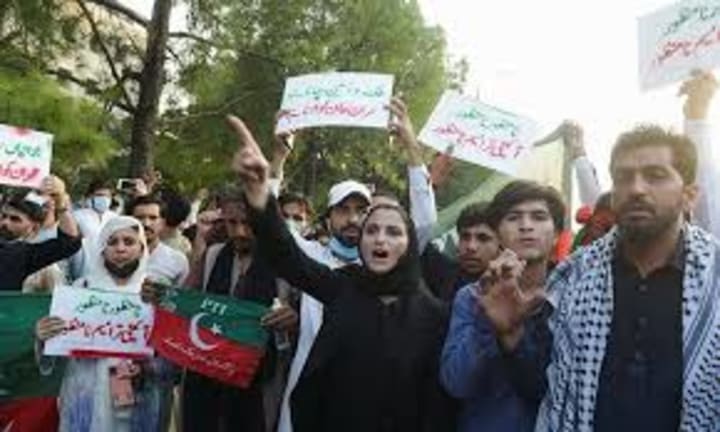
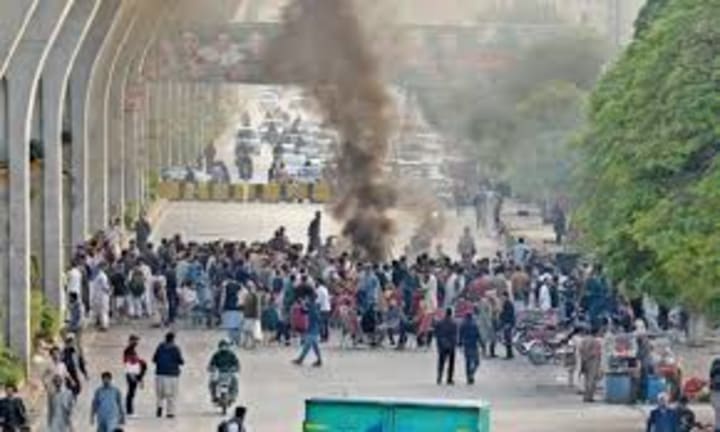
On November 26, 2024, Islamabad, the capital of Pakistan, became a battleground of political unrest as thousands of supporters of former Prime Minister Imran Khan gathered near the parliament. This event marked a significant escalation in the ongoing political crisis that has gripped the nation since Khan's ousting from power in April 2022. The situation intensified when the government invoked Article 245 of the Constitution, calling in the army to maintain law and order amidst violent clashes between protesters and security forces. This article delves into the background of the protests, the motivations behind them, the government’s response, and the broader implications for Pakistan's political landscape.
Background of the Protests
Imran Khan's Political Journey
Imran Khan, a former cricket star turned politician, was elected Prime Minister in 2018, riding a wave of popular support. However, his tenure was marred by economic challenges, rising inflation, and political opposition. In April 2022, Khan was ousted from power through a no-confidence vote, a move he and his supporters claimed was orchestrated by foreign powers and local political rivals. Since his removal, Khan has faced numerous legal challenges, including allegations of corruption, which his supporters argue are politically motivated attempts to silence him.
Mobilization of Supporters
In the months leading up to the protests, Khan's Pakistan Tehreek-e-Insaf (PTI) party has been actively mobilizing its base. The PTI has called for nationwide protests, urging supporters to converge on Islamabad to demand Khan's release and to protest against what they perceive as an unjust political system. The party's rallying cry centers around the need for accountability, transparency, and the restoration of democracy.
The March to Islamabad
Convergence of Supporters
On November 24, 2024, PTI supporters began arriving in Islamabad from various provinces, particularly Khyber Pakhtunkhwa, which has been a stronghold for Khan. The atmosphere was charged with enthusiasm and determination as supporters chanted slogans, waved flags, and carried placards demanding justice for Khan. Among the crowd were women, children, and young people, reflecting a diverse coalition united by their support for the former prime minister.
Clashes with Security Forces
As the protesters attempted to breach security barriers to reach D-Chowk, a central protest site near key government buildings, they encountered a heavy police presence. Security forces, equipped with tear gas, rubber bullets, and stun grenades, engaged in violent confrontations with the crowd. Reports of injuries and arrests began to surface, further inflaming tensions. The clashes highlighted the deep divisions within Pakistani society and the lengths to which supporters were willing to go to express their discontent.
Government Response
Invocation of Article 245
In response to the escalating violence and chaos, the government invoked Article 245 of the Constitution, which allows the military to assist in maintaining order during times of unrest. This decision was met with mixed reactions, with some viewing it as a necessary measure to restore peace, while others expressed concern about the implications of military involvement in civilian affairs. Critics argue that such actions could lead to the erosion of democratic norms and civil liberties.
Security Measures and Restrictions
In addition to calling in the military, the government implemented strict security measures across Islamabad. The city was placed under a security lockdown, with gatherings banned and educational institutions closed. Authorities also suspended mobile and internet services to limit communication among protesters, a tactic often employed during periods of unrest to prevent the organization of large gatherings. These measures raised alarms about the potential for human rights violations and the suppression of free speech.
Public Sentiment and Political Implications
Support for Khan
The fervor among Khan's supporters reflects widespread frustrations with the current political establishment. Many citizens feel disillusioned with the government’s handling of economic issues, including soaring inflation and unemployment. For them, Khan represents a beacon of hope and a symbol of resistance against corruption and political oppression. The ongoing protests serve as a platform for expressing their grievances and demanding accountability from those in power.
Potential for Escalation
The situation remains highly volatile, with warnings from government officials about "extreme measures" if protesters continue to breach security zones. The potential for further violence raises concerns about the stability of the region and the future of democratic processes in Pakistan. Analysts fear that continued unrest could lead to a cycle of violence and repression, further polarizing an already divided society.
International Reactions
The international community has been closely monitoring the situation in Pakistan. Diplomatic missions have expressed concerns about the potential for violence and the importance of upholding democratic principles. Calls for dialogue and peaceful resolution have emerged, emphasizing the need for the government to engage with opposition parties and address the underlying issues driving the protests.
The Role of Media
The media plays a significant role in shaping public perception of the protests and the government's response. Coverage of the events has varied widely, with some outlets portraying the protests as a legitimate expression of democratic dissent, while others frame them as a threat to national security. The narrative presented by the media can influence public opinion and either galvanize support for Khan or bolster the government's stance against the protests.
The Future of PTI and Khan's Leadership
As the protests continue, the future of the Pakistan Tehreek-e-Insaf party and Imran Khan's leadership remains uncertain. The party's ability to maintain momentum and support will depend on its strategy moving forward. If Khan is able to leverage the current unrest to strengthen his position and rally more supporters, it could lead to a resurgence of his political influence. Conversely, if the government successfully quells the protests and addresses the underlying issues, it may diminish Khan's appeal and weaken the PTI's standing in the political arena.
The Impact on Democracy
The events unfolding in Islamabad raise critical questions about the state of democracy in Pakistan. The invocation of military support and the government's heavy-handed approach to dissent could set a concerning precedent for how political opposition is treated in the future. The balance between maintaining order and respecting civil liberties is delicate, and the government's actions in the coming days will be scrutinized both domestically and internationally.
Conclusion
In summary, the protests surrounding Imran Khan's supporters near the Pakistan parliament represent a significant moment in the country's political history. The convergence of thousands of demonstrators reflects deep-seated frustrations with the current government and a desire for change. As the situation develops, the responses from both the government and the protesters will shape the future of Pakistan's democracy and political landscape. The coming weeks will be pivotal in determining whether the country can navigate this crisis peacefully or if it will descend further into chaos and division.
About the Creator
Danish Asif
Start writing... I strive to deliver high-quality writing that not only informs but also inspires action and discussion. Let me help you communicate your message effectively and creatively.
Keep reading
More stories from Danish Asif and writers in Journal and other communities.
PTI Protest: Barrister Gohar Meets Imran Khan at Adiala Jail
In a significant development for the Pakistan Tehreek-e-Insaf (PTI) party, Barrister Gohar, a prominent legal figure and party leader, met with former Prime Minister Imran Khan at Adiala Jail. This meeting comes at a critical time as the PTI prepares for a major protest, dubbed a "do-or-die" demonstration, aimed at addressing the political turmoil in Pakistan. The protest is set to take place in Islamabad, and the stakes are high for both the party and its incarcerated leader.
By Danish Asifabout a year ago in Journal


Comments
There are no comments for this story
Be the first to respond and start the conversation.