
Tackling the Crisis of Child and Female Rape in Bangladesh
A Data-Driven Analysis and Strategic Solutions


Tuhin Sarwar: Bangladesh-
Introduction:
Rape remains one of the most pervasive crimes in Bangladesh, particularly affecting women and children. Despite numerous efforts to combat sexual violence, the prevalence of child and female rape continues to rise. This article not only examines the current crisis but also draws on real-life case studies, expert opinions, and data-driven analysis to identify the underlying causes and propose viable solutions. Through a closer look at the legal framework, social norms, and economic implications, we aim to present a comprehensive approach to addressing this issue.
The Alarming Statistics: A Data-Driven Overview
Recent statistics from Bangladesh’s National Human Rights Commission (NHRC) and independent reports paint a bleak picture of the scale of the problem. According to the 2019 National Crime Survey conducted by the Bangladesh Bureau of Statistics (BBS), every 12 hours, one minor girl is raped, and an average of 1,000 women are victims of sexual violence every month. However, the real number is likely much higher, as many cases go unreported due to social stigma.
In a 2024 report by Human Rights Watch, over 60% of rape victims in Bangladesh were children, with an increasing number of cases involving family members as perpetrators. The lack of comprehensive data collection, however, complicates efforts to fully understand the scope of the crisis. This statistic aligns with the findings of the Bangladesh National Women Lawyers’ Association (BNWLA), which reported that victims are often silenced by fear of retribution and a lack of trust in the legal system.
Understanding the Root Causes: Social, Cultural, and Legal Impediments
The root causes of child and female rape in Bangladesh are multi-faceted, involving socio-cultural factors, ineffective laws, and systemic inequalities. Below, we explore these key factors with real-world examples and data-supported insights.
Patriarchal Society and Gender Inequality:
Case Study: The 2019 Rape of a 12-Year-Old Girl in Khulna: In this high-profile case, a young girl was repeatedly raped by a family member. Despite the clear evidence of sexual abuse, the victim's family faced immense societal pressure to settle the matter outside court. The prevailing patriarchal norms discouraged public reporting, resulting in the case being delayed for months. The fear of honor-based violence and the social shame attached to sexual violence often silences victims and their families, reinforcing gender inequality.
Expert Opinion: Dr. Nadira Begum, a sociologist specializing in gender studies at Dhaka University, argues that patriarchy is not just an isolated issue in Bangladesh but a deeply embedded structural factor that normalizes violence against women. "In many communities, sexual violence is treated as an issue of shame for the family, rather than a crime that needs justice," she says.
Flaws in the Legal Framework and Law Enforcement:
The Women and Children Repression Prevention Act (2000) and Child Marriage Restraint Act (2017) have made strides in legal protection for women and children. However, implementation is weak. According to Bangladesh National Police (BNP) data, only 28% of rape cases result in convictions, primarily due to corruption, delays in trials, and victim-blaming attitudes.
Case Study: The 2021 Rape Case in Dhaka: A young woman was assaulted by a group of men. Despite witnesses and physical evidence, the case was delayed for over a year due to bureaucratic inefficiencies and corruption within the police force. It wasn’t until public outcry on social media that the case was eventually fast-tracked, demonstrating the significant gaps in the legal and judicial system.
Educational and Societal Awareness:
The lack of comprehensive sex education and gender sensitivity training in schools contributes to perpetuating rape culture. A 2022 report by UNICEF Bangladesh showed that only 35% of school-going children are educated about sexual consent and personal boundaries.
Expert Opinion: Shahnaz Rafi, an education policy analyst with UNICEF Bangladesh, emphasizes that, "If we do not incorporate gender equality and respect for individual rights into the education system from a young age, we will continue to see violence as a natural consequence of power dynamics between men and women."
The Impact of Sexual Violence: Psychological, Economic, and Social Consequences
Rape has a devastating impact on survivors, extending far beyond the physical trauma. The mental health and economic costs borne by victims are immense. Survivors often suffer from post-traumatic stress disorder (PTSD), depression, and anxiety, with children bearing long-term psychological scars.
In an in-depth study conducted by the World Health Organization (WHO) in 2023, it was found that 56% of rape survivors in Bangladesh experience long-term psychological distress, and 43% face stigmatization that results in economic exclusion and social ostracism.
The economic costs of sexual violence are also staggering, as victims often struggle with medical expenses, legal fees, and the loss of income due to trauma. Additionally, the societal impact is far-reaching, as widespread sexual violence undermines social trust and fosters fear among women and children.
Strategic Solutions: How Can Bangladesh Address the Crisis?
Addressing the issue of sexual violence requires a multifaceted, data-driven approach that involves legal reform, social intervention, and cultural change. Below are the key solutions proposed by experts and backed by data-driven analysis:
Reform the legal framework:
The Bangladesh Legal Aid and Services Trust (BLAST) advocates for the establishment of specialized courts for sexual violence cases, which would expedite trials and ensure more consistent convictions. According to BLAST, a study found that specialized courts in India led to a 50% increase in conviction rates within two years.
Expert Opinion: Barrister Tanjin Sultana, a prominent human rights lawyer, stresses that "Only a robust, independent judicial system with well-trained officers can ensure that victims receive justice promptly and efficiently."
Societal and Educational Reforms:
Integrating comprehensive sex education into school curricula can significantly reduce the prevalence of sexual violence. Teaching children about gender equality, consent, and healthy relationships from an early age will instill respect and understanding among future generations.
Case Study: The "Safe Schools Program" in India: A similar initiative in India has been successful in reducing instances of sexual harassment in schools by 20% over five years. Implementing such programs in Bangladesh could create a safer environment for children and adolescents.
Support Systems for Survivors:
Establishing more mental health facilities and legal aid services specifically designed for survivors of sexual violence can help victims rebuild their lives. A 2022 study by the World Bank found that when survivors had access to proper support systems, their recovery rates improved by 40%.
Public Awareness Campaigns:
Engaging the public through social media campaigns, community workshops, and celebrity endorsements can help shift societal attitudes toward gender-based violence. The "Me Too" movement, which garnered global attention, demonstrates the power of public awareness in creating meaningful change.
Conclusion: A Path Forward
The persistent problem of sexual violence in Bangladesh is a complex issue, but it is not insurmountable. By implementing data-backed reforms, engaging experts, and educating future generations, Bangladesh can make substantial progress toward ending the cycle of violence against women and children. The country’s response will require a multi-pronged strategy that incorporates legal reform, social change, and victim support to create a safer, more equitable society for all.
As we move forward, the lessons from global case studies, the expert recommendations, and the voices of survivors must guide the nation’s efforts to combat sexual violence and build a future where justice prevails for every woman and child.
About the Creator
Tuhin Sarwar
Tuhin Sarwar is a Bangladesh-based investigative journalist reporting on human rights, child labor, and the Rohingya refugee crisis through field-based research. Explore his verified portfolio at https://tuhinsarwar.com/
Keep reading
More stories from Tuhin Sarwar and writers in Journal and other communities.
Gazipur Journalists Protest Death Threat to Colleague for Exposing Corruption
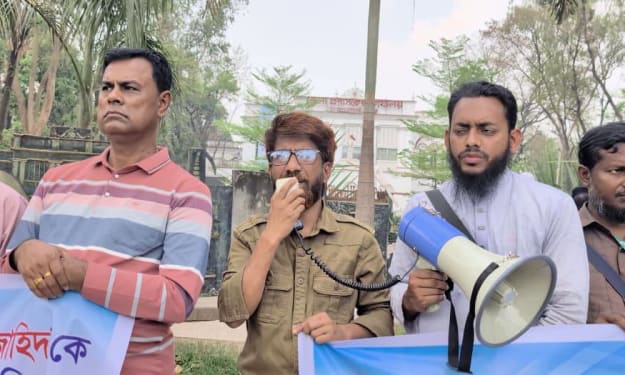
Protest and Human Chain Against Death Threat to Journalist in Gazipur A protest and human chain were organized in front of the Gazipur District Commissioner's office in response to the death threat issued against Mohammad Mojahid, a journalist of Daily Naya Diganta, for publishing a report on corruption and irregularities in Gazipur.
By Tuhin Sarwarabout a year ago in Journal
Author’s Advice
If you would’ve asked me 20 years ago did I know I’d become a writer and an author, I would’ve said “nope, ain’t happening”. As fate would have it I did become an author and I can honestly say I’m loving it so far. It really does feel good to be a writer. I’ve learned a lot on this journey and I feel like with even me being as new to this world as I am, there’s some wisdom I need to share with every other aspiring author.
By Joe Patterson5 days ago in Journal
The Role of Community Health Programs in Urban Areas
Though there are a lot of opportunities in a city, there are also a few challenges that are posed to the health of the people who are living in that particular city. There are a lot of people, and the lifestyle of the people is quite fast. There are also issues of pollution, and access to healthcare services also varies. Under these circumstances, the role of community health initiatives India is quite significant for the health of the people who are living in that particular city or country and for the development of healthy communities.
By Peerless One5 days ago in Journal


Comments
There are no comments for this story
Be the first to respond and start the conversation.