
Sustainable Cotton Fabric Sourcing for NYC Fashion Schools
Cotton Fabric Sourcing for NYC Fashion

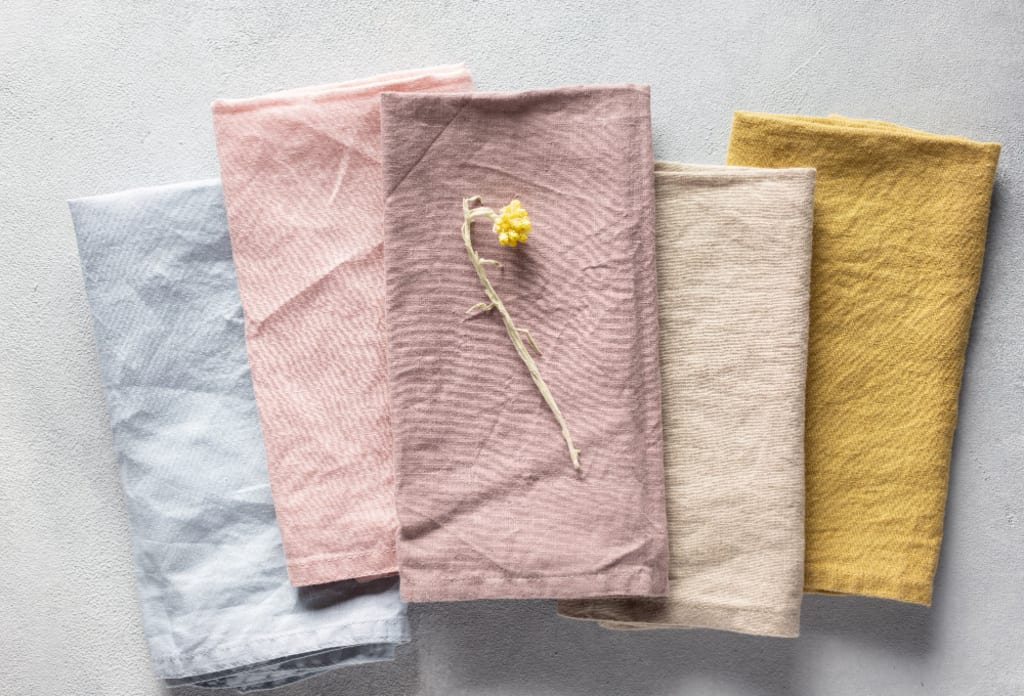
Fashion education stands at a crossroads. Students want to create beautiful garments while protecting the planet, but many NYC fashion schools still rely on conventional cotton sourcing that harms both environment and communities. The good news? Schools can make meaningful changes by switching to sustainable cotton fabric sourcing—and the process is more straightforward than you might think.
Sustainable cotton comes from farms that use water-efficient methods, avoid harmful pesticides, and ensure fair wages for workers. For fashion schools, this means students learn industry skills while supporting ethical practices that will shape their future careers.
This shift matters more than ever. The fashion industry produces 10% of global carbon emissions, and cotton production uses vast amounts of water and chemicals. NYC fashion schools have the power to change this pattern by teaching students sustainable sourcing from day one.
The Current Cotton Challenge in NYC Fashion Schools
Most NYC fashion schools currently source cotton fabric through traditional wholesale channels that prioritize low cost over sustainability. Students buy fabric from local stores or online suppliers without knowing where the cotton originated or how it was produced.
This approach creates several problems. Students graduate without understanding supply chain transparency. They learn to value cheap materials over quality and ethics. Most importantly, they miss the chance to work with suppliers who prioritize environmental responsibility.
Many schools order cotton fabric by the yard from the same vendors they've used for decades. While these relationships provide reliable service, they often lack information about farming practices, worker conditions, and environmental impact.
The disconnect between classroom learning and real-world sourcing means students enter the industry unprepared for the sustainability demands they'll face in their careers.
Why Sustainable Cotton Benefits Everyone
Sustainable cotton sourcing creates advantages for schools, students, and the broader community. Schools that make this switch often see immediate benefits in their educational programs.
Environmental Impact
Organic cotton uses 91% less water than conventional cotton. It eliminates synthetic fertilizers and pesticides that contaminate soil and water systems. For NYC schools, this means contributing to cleaner waterways and healthier communities.
Student Education
Students gain hands-on experience with supply chain research and vendor evaluation. They learn to identify certifications like GOTS (Global Organic Textile Standard) and Better Cotton Initiative standards. These skills become valuable assets in their professional portfolios.
Industry Connections
Sustainable sourcing opens doors to partnerships with ethical suppliers and brands. Students can network with companies that prioritize responsible practices, leading to internship and job opportunities.
Cost Benefits Over Time
While initial costs may be higher, sustainable cotton often provides better quality and durability. Schools save money on replacements and repairs, and students learn to value quality over quantity.
Common Challenges Schools Face
Implementing sustainable cotton sourcing isn't without obstacles. Understanding these challenges helps schools prepare effective solutions.
Budget Constraints
Sustainable cotton typically costs 20-30% more than conventional options. Fashion school budgets already stretch thin, and administrators worry about increased material costs affecting program accessibility.
Supply Chain Complexity
Finding reliable suppliers who can provide consistent quantities of sustainable cotton fabric by the yard requires research and relationship building. Schools need vendors who understand educational needs and can accommodate varying order sizes.
Student Resistance
Some students initially resist higher-cost materials, especially when they're paying for supplies out of pocket. They may not immediately understand why sustainable sourcing matters for their education.
Faculty Training
Instructors need education about sustainable sourcing criteria, certification systems, and how to incorporate these concepts into existing curricula.
Practical Solutions That Work
NYC fashion schools can overcome these challenges with strategic planning and gradual implementation.
Start Small, Scale Up
Begin with one class or program rather than school-wide changes. Choose a specific project where students can see direct benefits from sustainable materials. Success in pilot programs builds support for broader implementation.
Partner with Suppliers
Contact suppliers who specialize in educational markets and can buy fabric online at competitive rates. Many sustainable cotton vendors offer educational discounts or payment terms that help schools manage costs.
Integrate into Curriculum
Make sustainable sourcing part of regular coursework rather than an add-on expense. When students understand the connection between material choices and industry practices, they become more willing to invest in quality materials.
Seek Grant Funding
Apply for sustainability grants from foundations, government programs, and industry organizations. Many funding sources specifically support educational initiatives that promote environmental responsibility.
Create Buying Cooperatives
Partner with other NYC fashion schools to increase purchasing power. Collective buying can reduce costs and give schools more influence with suppliers.
Success Stories from the Field
Several NYC fashion schools have successfully implemented sustainable cotton sourcing with impressive results.
The Fashion Institute of Technology launched a pilot program in their textile design courses, partnering with a supplier who could provide certified organic cotton fabric by the yard. Students reported higher satisfaction with their projects, and 85% said they would prioritize sustainable sourcing in their careers.
Parsons School of Design created partnerships with sustainable suppliers and integrated sourcing education into their fashion design program. Students now research supply chains as part of their final projects, and many have gone on to work for sustainable fashion brands.
A smaller private fashion school in Manhattan started by requiring just one sustainable material per semester in their construction classes. After two years, student demand led to expanding the program across all design courses.
Essential Resources for Getting Started
Schools ready to make the switch need reliable resources and supplier connections.
Certification Organizations
- Global Organic Textile Standard (GOTS) provides certification criteria
- Better Cotton Initiative offers sustainability standards
- Cradle to Cradle Certified evaluates entire product lifecycles
Online Suppliers
Several reputable vendors allow schools to buy fabric online with educational pricing:
- Sustainable fabric suppliers with educational programs
- Cooperatives that offer bulk pricing for institutions
- Local distributors who can provide cotton fabric by the yard with transparency documentation
Educational Materials
- Textile Exchange provides industry research and standards
- Fashion Revolution offers educational resources about supply chains
- Sustainable Packaging Coalition shares best practices for institutional purchasing
Moving Forward with Purpose
Sustainable cotton fabric sourcing represents more than an environmental choice—it's an educational investment. NYC fashion schools that make this transition prepare students for industry realities while contributing to positive change.
The path forward requires commitment from administrators, faculty, and students. Start with pilot programs, build relationships with sustainable suppliers, and gradually expand successful initiatives. Remember that small changes create momentum for larger transformations.
Students who learn sustainable sourcing practices become industry leaders who prioritize environmental responsibility. They understand that buying decisions affect communities and ecosystems far beyond the classroom.
Fashion schools have the power to shape industry practices by teaching responsible sourcing from the beginning. The question isn't whether to make this change, but how quickly you can start.
About the Creator
Fabriclore
Fabriclore is India's first all-in-one bulk fabric sourcing platform for fashion businesses. We are a one-stop solution for fabric discovery, design customization, dyeing, printing, inspection, and testing of the widest variety of fabrics
Keep reading
More stories from Fabriclore and writers in Journal and other communities.
Buy Cotton Fabric by the Yard in Chicago: A Complete Guide
Cotton fabric remains one of the most popular choices for sewers, crafters, and designers across Chicago. Whether you're creating a new wardrobe, working on a quilting project, or starting a textile business, finding quality cotton fabric by the yard can make or break your project.
By Fabriclore6 months ago in Journal
Author’s Advice
If you would’ve asked me 20 years ago did I know I’d become a writer and an author, I would’ve said “nope, ain’t happening”. As fate would have it I did become an author and I can honestly say I’m loving it so far. It really does feel good to be a writer. I’ve learned a lot on this journey and I feel like with even me being as new to this world as I am, there’s some wisdom I need to share with every other aspiring author.
By Joe Patterson5 days ago in Journal
Inspection Drones Market Enabling Safer and Smarter Infrastructure Monitoring
The Flying Inspector Above Critical Infrastructure Across industries such as energy, utilities, construction, and transportation, infrastructure inspection is essential for safety and operational efficiency. Traditionally, inspections required manual labor, scaffolding, helicopters, or technicians working in hazardous environments.
By james robert5 days ago in Journal



Comments
There are no comments for this story
Be the first to respond and start the conversation.