
Supreme Court Upholds TikTok Ban: What Happens Next?
US Supreme Court Unanimously Upholds Ban

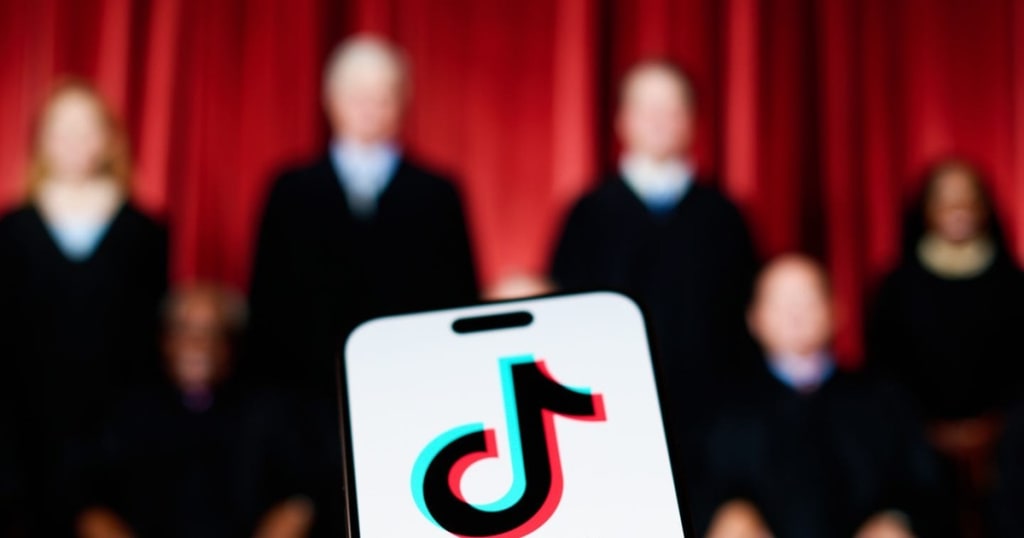
The U.S. Supreme Court has sent shockwaves through the tech and social media world by unanimously upholding the federal law mandating TikTok’s Chinese parent company, ByteDance, to sell its U.S. operations or face a nationwide ban. With the enforcement deadline looming, many are left wondering—what happens next?
Why Was TikTok Banned?
At the heart of this decision lies national security. Lawmakers and agencies have raised concerns about TikTok’s ability to collect data from its massive U.S. user base and potentially share it with the Chinese government. With over 170 million users in the U.S., TikTok’s data collection—from contact lists to viewing habits—was flagged as a major vulnerability.
The government argued that the Chinese Communist Party could coerce ByteDance into handing over sensitive data. While ByteDance has consistently denied these claims, the Protecting Americans from Foreign Adversary Controlled Applications Act (PAFACA) left little room for negotiation. The law identifies apps controlled by foreign adversaries as potential national security threats and mandates immediate divestiture or an operational shutdown.
The Legal Foundation for the Decision
TikTok argued that banning the app violated First Amendment rights, as the platform is a unique outlet for free expression. However, the Supreme Court disagreed, stating national security concerns outweighed free speech protections in this instance. The ruling does not set a broad precedent for other platforms but specifically targets TikTok due to its ties with ByteDance.
This decision also highlighted the complexities of regulating technology in a globalized world. While protecting national security, it simultaneously raises questions about where the line is drawn between free speech and safeguarding against foreign threats.
How TikTok Users Are Reacting
For millions of TikTok’s users, particularly content creators and small businesses, the ban represents more than just the loss of a favorite app. It’s about losing a platform that’s important for livelihoods and communities. Creators like lifestyle influencer Alyssa McKay, who boasts over 10 million followers, have been vocal about the impact. She described the platform as “irreplaceable” and has started diversifying her presence on other social media platforms to prepare for what’s next.
Teenagers and young adults, who make up the bulk of TikTok’s users, are also scrambling to find alternatives. For many, TikTok has become a primary source of entertainment and even news, with 45% of Americans aged 18-29 regularly using the app for updates, according to Pew Research.
What Happens to TikTok Now?
ByteDance faces a tight deadline. The law requires TikTok to either divest its assets by January 19, 2025, or shut down its U.S. operations entirely. A sale would need approval from the U.S. government to ensure no ownership or ties remain with ByteDance.
If ByteDance fails to comply, TikTok would become unavailable for download, updates, or even maintenance in the U.S. App stores would remove TikTok, and existing users would see their app stop functioning.
The Biden administration has opted not to enforce the ban, leaving enforcement to the incoming Trump administration. President-elect Donald Trump has publicly stated his preference for a resolution that allows TikTok to operate in the U.S., signaling potential negotiations in the coming days.
Challenges With a Potential Sale
Selling TikTok’s U.S. operations is no straightforward task. ByteDance would need to find a buyer that meets the U.S. government's strict criteria for independence from foreign adversaries. This process could take months, raising questions about whether TikTok can operate during negotiations.
Moreover, potential buyers would need to evaluate the app’s worth, which heavily depends on its global user base and algorithms controlled by ByteDance. Losing access to ByteDance’s technology may significantly impact TikTok’s functionality and popularity.
Is This the End of TikTok in the U.S.?
Not necessarily. Even if TikTok’s U.S. operations are banned, similar platforms like Instagram Reels, YouTube Shorts, and Snapchat Spotlight are positioned to fill the void. However, TikTok’s unique algorithm and community have created a culture that’s hard to replicate.
The ruling also sets the stage for broader battles over how the U.S. regulates tech companies with foreign ties. It signals that lawmakers might start holding platforms to stricter security standards, especially those operating under foreign ownership.
What This Means for Social Media Regulation
The TikTok ruling could mark the beginning of tougher scrutiny on global apps operating in the U.S. It raises the stakes for platforms like WeChat and even future apps developed by foreign companies. Congress is increasingly concerned about how foreign entities might influence American democracy, whether through data collection or curated content.
For users, this could mean stricter app regulations that prioritize transparency and data security. For social media companies, it underscores the need to build trust with regulators and the public.
The Clock Is Ticking
With only days until the enforcement date, TikTok’s future in the U.S. hangs in the balance. Whether ByteDance complies with the divestiture requirement or faces a total shutdown, one thing is clear—this decision reshapes how we think about the intersection of national security and free expression.
TikTok has promised to explore all options to continue operating in the U.S., but time is running out. As this saga unfolds, creators, users, and lawmakers will be watching closely to see what happens next.
If you’re a TikTok user or creator, now’s the time to consider diversifying your content strategy. While TikTok’s fate is uncertain, the internet is never short of opportunities to connect, create, and share. Stay tuned for updates on this ever-evolving story.
About the Creator
Anna Wong
Anna studied at Chiang Rai Rajabhat University where she earned a degree in Journalism and Mass Communication in 2004. After graduating Anna worked as a journalist for MCOT Radio broadcasting stations company
Author’s Advice
If you would’ve asked me 20 years ago did I know I’d become a writer and an author, I would’ve said “nope, ain’t happening”. As fate would have it I did become an author and I can honestly say I’m loving it so far. It really does feel good to be a writer. I’ve learned a lot on this journey and I feel like with even me being as new to this world as I am, there’s some wisdom I need to share with every other aspiring author.
By Joe Patterson4 days ago in Journal
Reasons Why Sinners and Frankenstein Could Win the Oscar for Best Picture
Horror fans are in luck: this year, two horror films are in the running for the Oscar for Best Picture. As if that weren't enough, both films have multiple nominations for this award. This year, Sinners, a gothic horror film, has been crowned the film with the most nominations in Oscar history. This movie received 16 nominations, an absolute record that never ceases to amaze.
By Ninfa Galeano3 days ago in Journal
The First Rainbow Baby
Pitter-patter, pitter-patter. The rain fell in rhythmic splatters, slowly slowing, but still constant. Mira rolled onto her side pulling the blanket tight against her ears, but still she could hear chitter-chatter and scurrying feet of the creatures that refused to sleep in the lower decks.
By A. J. Schoenfeld3 days ago in Fiction




Comments (1)
Fascinating! Very informative! Good job!