
Subsidy Removal:
NLC Set to Begin Nationwide Strike by Wednesday Next Week
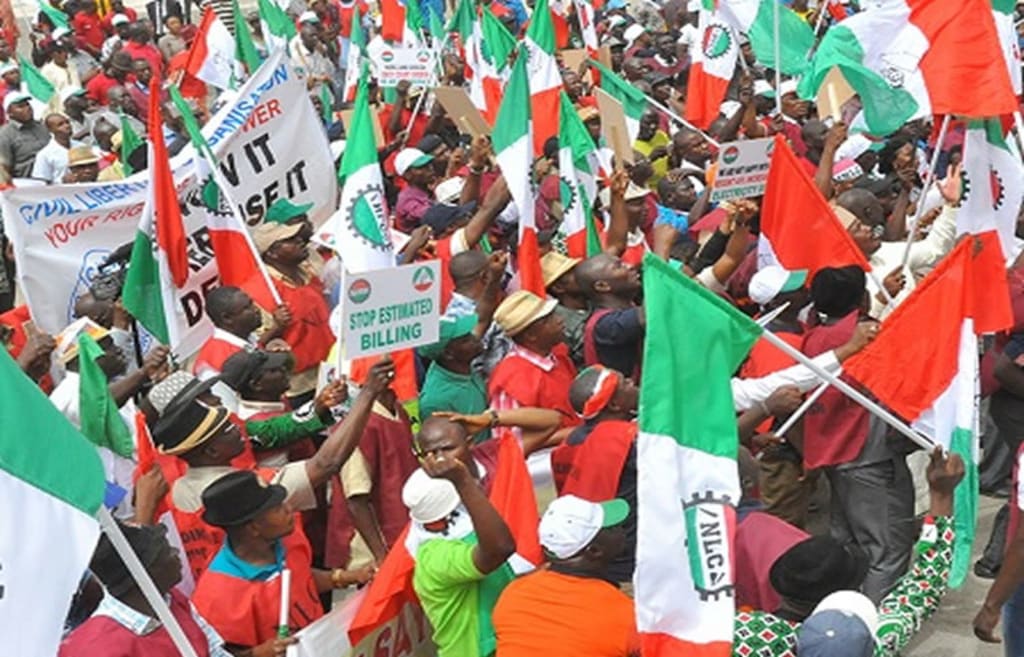
The Nigeria Labour Congress (NLC) has announced its intention to commence a nationwide strike in response to the government's decision to remove fuel subsidy. The impending strike, scheduled to begin on Wednesday, has raised concerns and garnered attention across the country. This article aims to provide an overview of the situation, highlighting the reasons behind the NLC's decision and the potential impact of the strike.
Reasons for the NLC Strike:
The NLC has strongly opposed the removal of fuel subsidy, citing several reasons for its objection. The Congress argues that the removal will result in a significant increase in fuel prices, thereby causing hardship for the already burdened Nigerian populace. The NLC contends that this move will have a disproportionate effect on the working class, who will bear the brunt of higher transportation costs and increased living expenses.
Additionally, the NLC expresses concerns about the lack of adequate consultation and dialogue prior to the subsidy removal decision. They argue that key stakeholders, including labor unions and civil society organizations, should have been actively engaged to ensure that the interests of the Nigerian people are properly represented. The NLC emphasizes the need for transparency and inclusive decision-making processes when making such crucial policy changes.
The Congress is calling for the government to reconsider its decision and engage in meaningful consultations with labor unions and other stakeholders. They argue that alternative measures, such as tackling corruption in the petroleum sector or exploring more sustainable energy solutions, should be explored instead of burdening the populace with increased fuel costs.
Potential Impact of the Nationwide Strike:
The nationwide strike announced by the NLC is expected to have a significant impact on various sectors of the Nigerian economy. Essential services, transportation, public offices, and government institutions are likely to be disrupted, potentially affecting the daily lives of citizens across the country. The strike action aims to send a clear message to the government regarding the concerns and grievances of the working class and the general populace.
The NLC's objective is to exert pressure on the government to reconsider its decision and engage in meaningful dialogue to find alternative solutions. The strike serves as a means for workers and labor unions to collectively voice their dissent and demand that their concerns be heard and addressed by the authorities.
Furthermore, the strike could have ripple effects on industries and businesses, leading to a slowdown in economic activities. Small and medium-sized enterprises, already grappling with the challenges posed by the COVID-19 pandemic, may face additional setbacks due to the disruption in supply chains and reduced consumer spending.
Government Response and Negotiations:
The government, aware of the impending strike, is expected to respond to the NLC's action. It remains to be seen whether the government will engage in negotiations with the NLC to find a middle ground or take measures to mitigate the impact of the strike on essential services and public welfare.
Conversely, if the strike fails to achieve its intended objectives, it may deepen the existing trust deficit between the government and labor unions. It could potentially spur further mobilization and protests, raising questions about the government's responsiveness to the needs and demands of its people.
Conclusion:
As the NLC prepares to embark on a nationwide strike in response to the removal of fuel subsidy, the concerns and grievances of the working class and labor unions are being brought to the forefront. The strike action aims to emphasize the need for inclusive dialogue, transparency, and a consideration of alternative solutions to the subsidy removal. The coming days will reveal the extent of the strike's impact and the government's response to the NLC's demands, as Nigeria navigates through this challenging period of dissent and negotiation.
About the Creator
Keep reading
More stories from writers in Journal and other communities.
Why Catholics Believe Faith and Works Go Together
Why Catholics Believe Faith and Works Go Together A question often asked by non-Catholics is how faith and works relate in the Catholic understanding of salvation. Some believe that Catholics rely on “good works” to earn salvation, while others think faith alone is sufficient. The truth in Catholic teaching is that faith and works are inseparably connected, and both are essential for a living, authentic Christian life. Understanding this balance begins with Scripture, is explained through Church teaching, and is supported by centuries of theological reflection.
By Sound and Spirit7 days ago in Journal
Ludacris and Nelly draw backlash over bookings at MAGA-coded music festival
Ludacris and Nelly headlining a mostly right-wing event is good for them. It’s also great for the genre of hip hop. The two rap veterans have showcased their talents on other stages. Why can’t they perform for mostly MAGA folks and grab that bag?
By Skyler Saunders6 days ago in Beat


Comments
There are no comments for this story
Be the first to respond and start the conversation.