
Structural Design Considerations for Indoor vs. Outdoor Bridge Cranes
Key Structural Differences and Design Strategies for Optimal Performance in Varying Environments
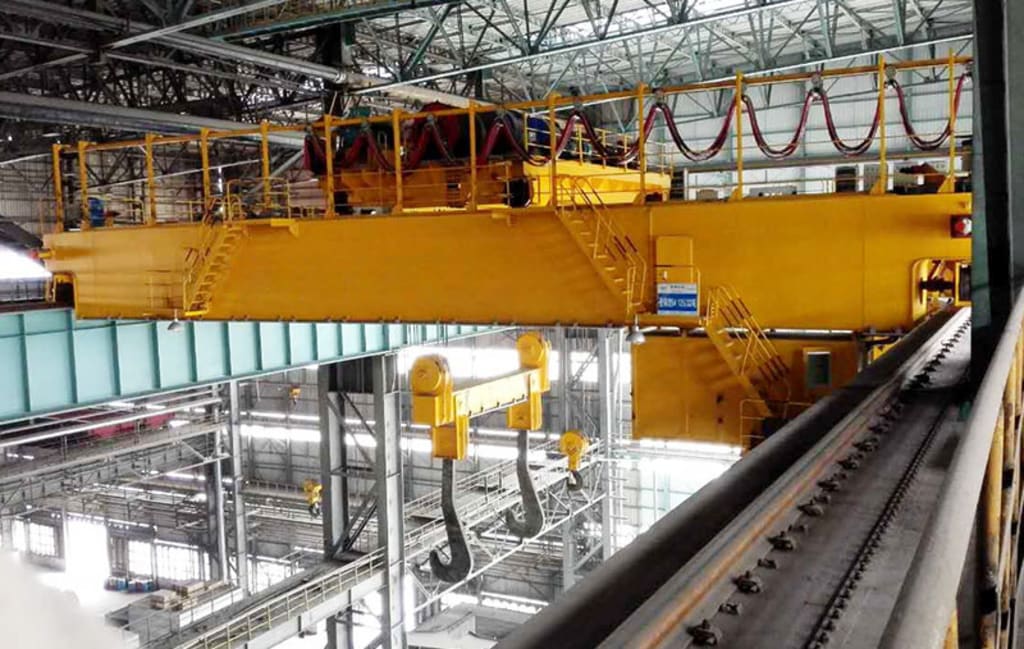
Bridge cranes are vital lifting equipment in many industrial operations, enabling the efficient and safe movement of heavy loads across designated work areas. However, when it comes to structural design, a key factor that engineers and buyers must consider is the crane’s installation environment—whether it is indoors or outdoors. Indoor and outdoor bridge cranes may appear similar in basic structure, but they face different challenges and require distinct design strategies to ensure performance, safety, and longevity. This article explores the structural design considerations for indoor vs. outdoor bridge cranes, focusing on environmental factors, materials, weather protection, structural supports, and maintenance demands.
1. Environmental Exposure: The Primary Differentiator
The fundamental difference between indoor and outdoor bridge cranes lies in their exposure to the environment.
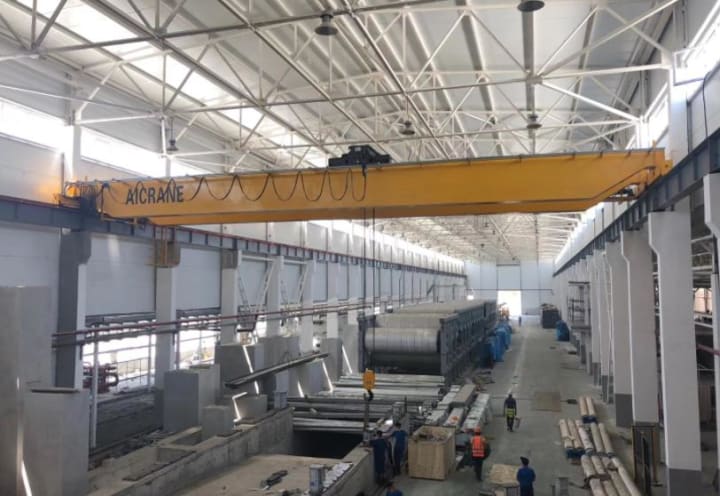
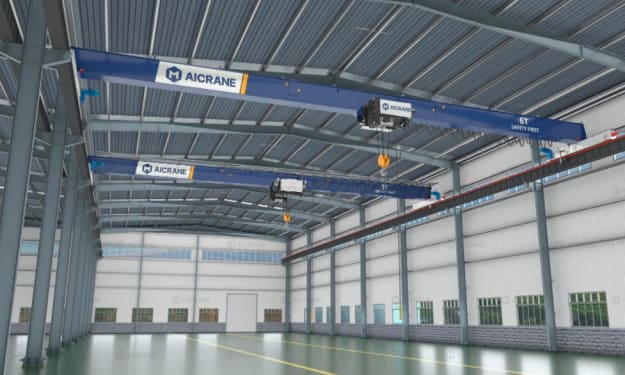
Indoor bridge cranes are sheltered from weather conditions such as rain, snow, sunlight, and strong winds. This controlled environment simplifies many design elements and often reduces the structural demands placed on both the indoor overhead crane and the building.
Outdoor bridge cranes, on the other hand, must endure fluctuating temperatures, precipitation, wind loads, UV exposure, and in some cases, corrosive atmospheres such as coastal or chemical environments. These external influences significantly affect structural integrity and demand more robust design solutions.

2. Structural Steel and Material Selection
Material selection is a critical part of the structural design process.
Indoor cranes can typically use standard structural steel with minimal additional treatment. The indoor environment minimizes the risk of corrosion and thermal stress.
Outdoor cranes require enhanced material considerations:
Corrosion-resistant coatings such as hot-dip galvanizing, epoxy paint systems, or marine-grade finishes are essential.
Weathering steel (such as Corten steel) may be used in some cases for its ability to form a stable rust-like appearance after exposure, offering natural protection.
In humid or saline environments, stainless steel components might be necessary for critical parts like fasteners, electrical enclosures, or cable trays.
3. Wind Load and Structural Reinforcement
Outdoor bridge cranes must be designed to resist wind loads as specified by international or local standards (e.g., ASCE 7, Eurocode EN 1991-1-4, or GB50009 in China). Wind can create significant horizontal and uplift forces on the crane girders and runway structures.
Key structural considerations include:
Reinforced bridge girders and end trucks to withstand lateral loading.
Tie-down mechanisms or wind locks to prevent crane movement during storms.
Emergency parking areas where the crane can be safely secured when not in use.
Indoor cranes are typically shielded from these effects, and wind load is not usually a governing design factor.
4. Thermal Expansion and Contraction
Temperature fluctuations cause steel to expand and contract, which can impact alignment, stress distribution, and component longevity.
Outdoor cranes experience more significant temperature variations. Designers must account for this by:
Using expansion joints in long runways.
Specifying temperature-resistant seals and bearings.
Implementing adjustable end stops and bumpers to accommodate movement.
Indoor cranes may still experience minor thermal changes due to machinery heat or HVAC systems, but the structural impact is generally less severe.
5. Electrical and Control Systems Protection
Electrical components are particularly sensitive to environmental conditions.
For indoor cranes, standard enclosures and cable management systems are usually sufficient.
For outdoor cranes, designers must:
Use IP65 or higher-rated enclosures to protect against water and dust ingress.
Install sun shields or cooling units in control panels in hot climates.
Select UV-resistant cables and conduits to avoid degradation.
Implement lightning protection systems to safeguard against surges.
Wireless controls may also be affected by environmental interference and must be selected accordingly.
6. Supporting Structure and Foundation Design
Indoor bridge cranes are typically installed within steel or concrete buildings. Their support structure (usually runway beams on building columns) is integrated with the building frame, which simplifies alignment and load transfer.
Outdoor cranes often require standalone steel structures or independent runway frames anchored to concrete piers. The design must:
Handle uneven ground and potential frost heave.
Withstand seismic loads and wind-induced vibrations.
Be designed with drainage systems to prevent water accumulation at base plates.
Special attention must be paid to the alignment and leveling of outdoor tracks or runways, which are more susceptible to movement due to environmental effects.
7. Maintenance and Accessibility Considerations
Indoor cranes benefit from cleaner environments, reducing the frequency of cleaning and corrosion-related maintenance. Maintenance platforms, lighting, and overhead access are easier to incorporate into building layouts.
Outdoor cranes face:
Frequent exposure to dirt, moisture, and potentially corrosive agents.
The need for weather-resistant maintenance walkways, ladders, and access platforms.
Regular inspections for paint degradation, rust, and component wear due to UV and rain exposure.
Designers often recommend automated greasing systems and sealed bearing assemblies to reduce manual maintenance requirements.
8. Safety and Compliance Standards
Both indoor and outdoor bridge cranes must comply with relevant safety standards such as:
FEM (Federation Europeenne de la Manutention)
CMAA (Crane Manufacturers Association of America)
ISO (International Organization for Standardization)
OSHA (for safety regulations in the U.S.)
However, outdoor cranes may also be subject to additional requirements for environmental safety, especially in hazardous areas, marine ports, or high-voltage zones.
9. Noise and Vibration Control
Noise mitigation is more critical indoors, where crane operations may impact workers in enclosed spaces. Structural design might include:
Noise dampening bumpers
Rubber isolation pads
Low-vibration motors and gearboxes
Outdoor cranes may generate higher noise levels, but these are often less of a concern unless the site is close to residential areas or operates under environmental noise restrictions.
Conclusion: Matching Structure to Environment
Choosing between indoor and outdoor bridge cranes goes far beyond placement—it requires a comprehensive understanding of how environmental factors impact structural design. While indoor cranes benefit from a protected environment and simpler design considerations, outdoor cranes demand enhanced robustness, weather protection, and structural adaptability.
Designing an overhead bridge crane that can safely and efficiently operate in its intended environment begins with:
A thorough site assessment
A deep understanding of applicable standards
Selection of appropriate materials and components
Planning for long-term maintenance and safety
By incorporating these structural design considerations early in the planning phase, manufacturers and facility managers can ensure operational reliability, safety, and cost-effectiveness over the life of the crane—whether it is lifting heavy steel in a factory or operating on a wind-swept port terminal.
About the Creator
Aicrane01
Welcome to the Aicrane Blog, your practical guide to lifting solutions. Discover articles covering overhead cranes, gantry cranes, winches, steel structures, boat lifts, and more.
Website: https://steelmillcranes.com/
Hiring Qualified Therapists for Partial Hospitalization Programming Programs
Understanding Partial Hospitalization Programs Partial Hospitalization Programs (PHPs) provide intensive, structured mental health treatment while allowing patients to return home daily. Unlike residential programs, PHPs strike a balance between rigorous clinical intervention and community integration. The nuanced nature of these programs demands not only therapeutic expertise but also a deep understanding of patient monitoring, crisis management, and individualized care planning. PHPs often address complex psychiatric conditions, necessitating a blend of psychotherapy, behavioral interventions, and pharmacological oversight. Recognizing this unique operational framework underscores the necessity for highly skilled professionals who can navigate the delicate interplay between clinical intensity and patient autonomy.
By Fida Hassain5 days ago in Journal



Comments
There are no comments for this story
Be the first to respond and start the conversation.