
Strategic Investment in Roller Coaster
Maximizing Returns in High-Thrill Infrastructure
Introduction
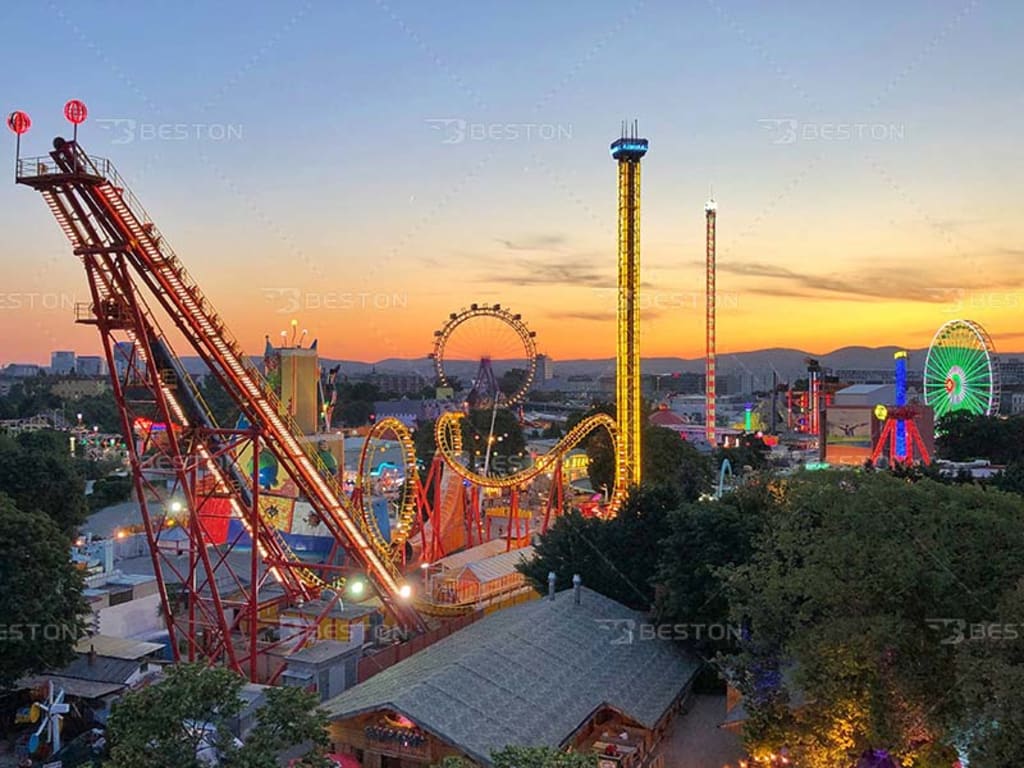
The modern roller coaster is more than a feat of adrenaline engineering—it is a high-stakes capital asset with the potential to reshape footfall dynamics, brand perception, and revenue generation for amusement parks. As both a crowd magnet and a long-term financial commitment, investing in a roller coaster requires a multidimensional approach. From design selection and supplier negotiation to lifecycle management and revenue recovery, strategic planning is essential for profitability.
The Investment Lifecycle of a Roller Coaster
Unlike smaller amusement rides, a roller coaster involves a substantial up-front capital outlay, often depending on its size, layout complexity, and customization level. The investment lifecycle can be segmented into five primary phases:
- Feasibility and ROI Projection
- Design and Engineering Procurement
- Construction and Installation
- Operational Optimization
- Maintenance and Lifecycle Extension
Each phase contains distinct risk variables and cost centers, which must be quantified and tracked meticulously to ensure long-term yield.

Phase 1: Feasibility and ROI Projection
Before committing to a build, investors typically conduct a feasibility analysis incorporating:
- Catchment area demographic modeling
- Seasonality trends and throughput simulations
- Projected per capita spend (PCS)
- Competitive ride inventory analysis
At this stage, revenue modeling focuses on both direct income (ticket sales, express pass surcharges) and indirect impact (increased dwell time, in-park spending uplift). A well-positioned roller coaster can increase annual park attendance by 15%–25%, making it a strategic catalyst rather than a passive asset.
Phase 2: Design and Engineering Procurement
Selecting the appropriate coaster model is not solely an aesthetic or thrill-based decision. Key technical and commercial criteria include:
- Ride footprint vs. land availability
- Target demographic (family, teen, thrill-seekers)
- Operational capacity (riders per hour)
- Track configuration (vertical loop, corkscrew, launch, dive, etc.)
- Vendor reliability and after-sales support
Procurement negotiations should include structured payment milestones, warranties, and detailed performance benchmarks. Modular track construction and prefabricated station elements can accelerate installation timelines and mitigate weather-related delays.
Phase 3: Construction and Installation
This is the most capital-intensive phase, where meticulous project management is essential. Roller coaster erection requires civil engineering precision, especially with regard to:
- Foundation anchoring and load-bearing calculations
- Dynamic envelope clearances for rider safety
- Electrical integration with ride control systems
- Compliance with regulatory codes such as ASTM F2291 and EN 13814
Delays in this phase carry high opportunity costs. Thus, contingency buffers and milestone-based incentives for contractors are critical risk mitigation tactics.
Phase 4: Operational Optimization
Once operational, the roller coaster becomes a key throughput engine for the park. Efficiency and uptime are closely tied to profitability. Strategies include:
- Dynamic queue management using time-slot reservations or virtual lines
- On-ride photography and video sales integration
- Theming and storytelling overlays to increase repeat ridership
- Express lane monetization for higher ticket-tier segmentation
Daily ridership capacity—measured in Riders Per Hour (RPH)—is a key performance metric. The higher the RPH relative to operational staffing costs, the better the net operating margin.
Phase 5: Maintenance and Lifecycle Extension
The useful life of a roller coaster spans 25–40 years, depending on material quality, usage intensity, and maintenance rigor. A preventive maintenance schedule should cover:
- Track wear and structural fatigue analysis using NDT (Non-Destructive Testing)
- Sensor calibration and ride logic controller audits
- Brake pad, wheel assembly, and restraint system replacements
- Software updates for programmable ride behavior
Lifecycle extension tactics such as retrofitting new train models or adding immersive tech (e.g., VR headsets, synchronized lighting) can revitalize aging assets at a fraction of replacement cost.
Financial Models and Funding Structures
Roller coaster investments may be structured via:
- Outright purchase using capital expenditure (CapEx)
- Vendor-financed installment agreements
- Public-private partnership (PPP) in urban leisure zones
- Lease-to-own models for emerging markets
Advanced operators often treat the ride as a standalone profit center, tracking its ROI via key metrics such as:
- Payback Period
- Net Present Value (NPV)
- Internal Rate of Return (IRR)
- Contribution Margin per Rider
Leveraging such granular analytics helps determine whether to reinvest in ride expansion or reallocate capital toward new projects.
Market Differentiation and Branding Leverage
A signature roller coaster can transform a regional amusement park into a destination brand. Themed coasters—branded with film franchises, regional folklore, or proprietary narratives—create intellectual property synergies that extend into merchandise, media, and sponsorships.
For instance, integrating a roller coaster launch with a cinematic pre-show or augmented reality interface enables both ride personalization and brand immersion. This enhances emotional attachment and raises the perceived value of the park experience.
Risk Considerations
Every high-capital asset carries inherent risks. For roller coaster investments, these include:
- Ride downtime and mechanical failure
- Weather disruptions in open-air installations
- Insurance costs tied to liability exposure
- Public perception shifts following safety incidents
Mitigation strategies involve insuring for both equipment and business interruption, maintaining a real-time diagnostics dashboard, and ensuring staff undergo rigorous operational training.
Conclusion
Investing in a roller coaster is not merely a spectacle-driven decision—it is a complex financial endeavor rooted in engineering, economics, and guest psychology. When approached strategically, the roller coaster serves as both an architectural icon and a high-yield asset within the theme park portfolio. Proper planning, risk control, and performance optimization turn this mechanical marvel into a durable driver of long-term growth.
About the Creator
amusementparksolution
Beston Rides - Focus on providing high-quality, customizable amusement rides and offering one-stop amusement park construction services.
Website: https://bestonamusementrides.com/
Keep reading
More stories from amusementparksolution and writers in Journal and other communities.
Enhancing Ferris Wheel Customer Stickiness with a Membership System
In an increasingly competitive amusement park industry, customer loyalty is paramount for long-term success. One effective strategy for increasing customer retention is the implementation of a membership system. A well-structured membership system can transform a Ferris wheel ride from a one-time experience into a frequent activity, fostering customer loyalty and enhancing the overall guest experience.
By amusementparksolution10 months ago in Journal
Redefining the Future of Work
Michael Mollod is at the forefront of a technological revolution, reshaping how organizations harness the power of intelligent automation. Renowned for his visionary strategies, Mollod has helped industries worldwide implement systems that do more than just streamline tasks—they amplify human potential. By combining innovative technology with human-centric design, he has established a model for organizations looking to thrive in an era where efficiency, accuracy, and adaptability are critical to success. His work demonstrates that automation is not about replacing people; it is about creating smarter, more capable teams that achieve extraordinary results.
By Michael Mollod2 days ago in Journal



Comments
There are no comments for this story
Be the first to respond and start the conversation.