
Spatial Design Transforming User Experience Through Smart Environments
Transforming User Experiences With Smart Spatial Design

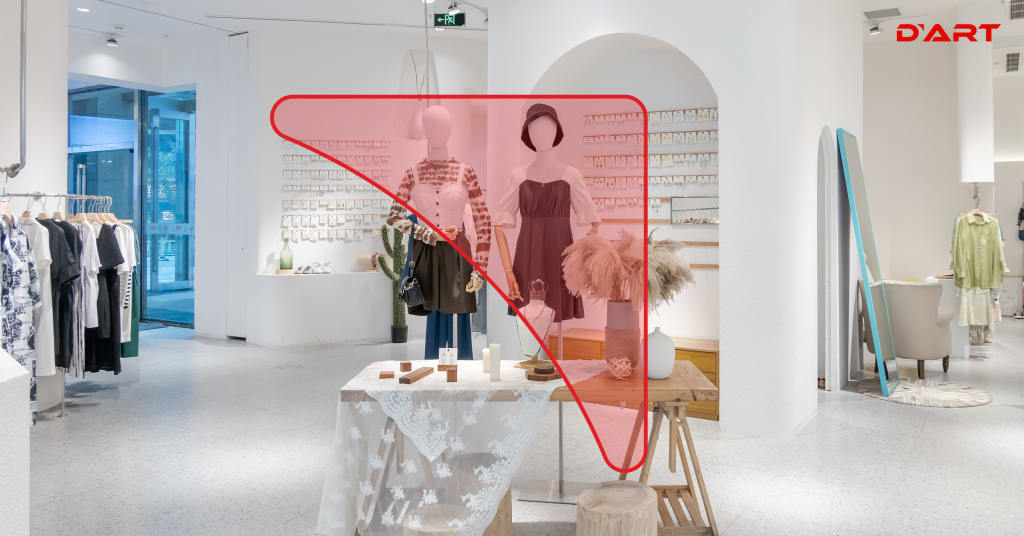
Imagine stepping into a retail store that instantly adapts to your presence—lights adjusting to highlight products based on your preferences, digital displays updating in real time to guide your shopping journey, and an intuitive layout leading you seamlessly through the space. Well, this is actually what we mean when talking about the power of spatial design. It is an innovative retail approach that perfectly blends technology, retail infrastructure, and human psychology in order to shape the customer’s perception of the brand and provide them with immersive retail experiences.
A long time back, when the concept of spatial design was introduced in the retail field, it was majorly concerned with the aesthetics and functionality of a space. However, this is no longer the case. Instead, this particular space design concept has evolved with time and is presently shaping customer interaction in physical as well as digital spaces.
Brands can leverage smart environments and effortlessly create immersive and adaptive shopping experiences for customers that adequately respond to their particular needs in real time. Doing this will help retailers enhance engagement and interaction, shape customer’s perceptions, and boost conversion rates and overall profitability.
Smart Environments: The Intersection of Technology and Human Behavior
Smart environments in spatial design integrate IoT (Internet of Things), AI (artificial intelligence), and sensory data to craft dynamic spaces that adapt to user behaviour. In retail experiences, this means rethinking store layouts, optimizing customer flow, and personalizing touchpoints to ensure maximum engagement. However, this is not as simple as it appears to be. There are various elements that a retailer needs to consider in order to achieve an innovative spatial design. Some of the key elements include the following aspects:
- Real-time Data Integration: Smart sensors analyze foot traffic patterns, identifying high-engagement zones and optimizing product placement.
- Adaptive Lighting and Ambiance: LED systems adjust brightness and colour temperature based on time of day, customer mood, or promotional campaigns.
- Interactive Digital Signage: AI-driven displays respond to demographics and preferences, delivering targeted product recommendations and offers.
- Seamless Omnichannel Integration: RFID tags and mobile apps bridge online and offline experiences, ensuring a cohesive shopping journey.
All these elements collectively transform retail spaces by making them more interactive, engaging, and highly responsive to user needs.
Spatial Design’s Role in Visual Merchandising
Visual merchandising has traditionally focused on product presentation and aesthetic appeal. However, smart spatial design takes this particular retail concept to a whole new level. Retailers can now use real-time data to dynamically adjust displays, creating an ever-evolving store environment that aligns with customer behaviour, needs, and preferences.
For example, motion-tracking technology allows retailers to assess which displays attract the most attention and adjust layouts accordingly. On the other hand, retailers can leverage augmented reality to transform traditional product showcases into interactive and engaging experiences. This further allows customers to visualize products in real-world settings before actually making a purchase.
Enhancing Customer Journey Through Personalized Experiences
Implementing spatial intelligence in their retail stores allows brands to develop personalized shopping journeys for customers by directly reducing friction points and also providing them with a satisfactory shopping experience. Brands can consider the following points for strategic implementation and best results.
- Wayfinding & Navigation: Maps powered by AI can help customers seamlessly and efficiently navigate through large retail spaces. This will further decrease the feelings of frustration and improve their overall retail experience.
- Emotion-Based Space Design: Biometric sensors analyze facial expressions and adjust environmental factors such as scent, music, and temperature to create a comforting ambience.
- Smart Fitting Rooms: RFID-enabled mirrors provide real-time styling suggestions. On the other hand, voice-activated assistants enhance convenience.
By integrating these advanced solutions, spatial design turns passive spaces into active, experience-driven environments that don’t just captivate customers but also retain them.
About the Creator
D'Art Design
D’Art Design is a leading global retail design agency. We integrate tactic to provide outstanding experiences, through brand communication and activation, brand design, promotion, and interior design.
Keep reading
More stories from D'Art Design and writers in Journal and other communities.
How Will 3D OOH Transform Retail Marketing in 2025
Nupur was running late for her client meeting in Safdarjung Enclave, New Delhi. The city, buzzing with energy, felt as alive as ever. As she hurried past Downtown, something made her stop in her tracks. A huge sneaker, almost floating in midair, burst through the massive billboard above. It twisted, turned, and, with a dramatic slow motion effect, revealed its intricate design and cutting edge features. A QR code shimmered beside it, inviting onlookers to scan for a personalized shopping experience.
By D'Art Design11 months ago in Journal


Comments
There are no comments for this story
Be the first to respond and start the conversation.