
Spatial Design Principles of Immersive Ride Layouts in Amusement Parks
Designing Spatial Narratives for Next-Generation Amusement Park Attractions


Amusement parks have evolved far beyond static attractions and conventional rides. The contemporary focus is on immersive experiences, where the layout of each ride is meticulously engineered to transport visitors into a thematic narrative. The physical arrangement of pathways, structures, and visual set pieces becomes as critical as the mechanics of the ride itself. This deliberate orchestration ensures not only operational efficiency but also sustained visitor engagement.
Foundational Considerations
Every immersive ride begins with a blueprint that integrates safety regulations with aesthetic ambitions. Designers must consider guest flow, sightline management, and accessibility. Unlike standard fun fair rides for sale, immersive rides are conceived as multi-sensory environments. The objective is to orchestrate a seamless transition from the external park landscape into the encapsulated world of the ride.
Spatial zoning is a primary element. Queuing areas, preshow chambers, boarding stations, and the ride circuit itself are aligned to create continuity. The progression is carefully tiered to build anticipation. For instance, queuing zones are no longer utilitarian waiting corridors; they are narrative preludes enriched with sound, lighting, and environmental effects. This staged layering amplifies the sense of immersion long before the first movement of the vehicle.
Integration of Ride Systems and Architecture
A ride’s mechanics dictate much of its layout. Whether employing a tracked vehicle, motion simulator, or suspended gondola, the physical infrastructure must harmonize with architectural elements. Designers often conceal operational systems within elaborate façades or subterranean enclosures. This concealment prevents disruption of the thematic illusion.
In smaller-scale attractions, such as a compact dark ride or a small roller coaster, integration becomes even more nuanced. Limited footprints necessitate tighter turns, stacked track systems, or vertical lifts. To maintain immersion within these confined dimensions, designers employ forced perspective, mirrored surfaces, and synchronized projection mapping. These techniques enlarge perceived space without requiring additional land allocation.
Queue and Entry Design
The queue is the guest’s initial point of contact with the narrative world. Its layout must achieve dual objectives: efficient line management and narrative immersion. Switchback arrangements are frequently masked through thematic partitions, interactive displays, or gradual elevation changes. By manipulating verticality, designers not only maximize space but also provide varied vantage points of the attraction ahead.
The entry portal to the ride is a symbolic threshold. It demarcates the transition from external reality to the internal storyline. Grand archways, cave-like tunnels, or industrial gateways often serve this purpose. The physical design of this transition is crucial in reinforcing the perception that guests are entering a discrete, self-contained universe.
Thematic Continuity in Ride Pathways
Once inside the ride, the pathway is orchestrated with cinematic precision. Each curve, drop, or halt aligns with story beats. For a narrative-based dark ride, spatial segmentation ensures distinct thematic chapters. For a high-thrill coaster, thematic zones may be delineated by rapid environmental shifts—entering a tunnel, cresting a hill, or plunging into a canyon-like enclosure.
Designers carefully calculate dwell times in specific zones. Longer dwell times allow riders to absorb complex visual details, while rapid transitions emphasize shock, speed, or surprise. Lighting gradients and acoustics are engineered to guide attention, ensuring the audience’s focus aligns with the narrative climax.
The Role of Technology in Layout Design
Modern immersive rides rely on synchronized technologies. Projection mapping, animatronics, synchronized scent dispensers, and dynamic audio arrays demand precise spatial coordination. Layout design must accommodate hidden technical bays for equipment, maintenance corridors, and emergency egress routes.
Projection surfaces are placed at calculated angles to minimize distortion. Acoustic panels are embedded within decorative features to prevent sound bleed between narrative zones. In high-capacity rides, dual loading platforms or continuous track systems are integrated into the layout to reduce wait times without compromising immersion.
Small-Scale Adaptations
Not every amusement park possesses expansive land or large budgets. In such contexts, compact attractions like a small roller coaster or modular dark ride become essential. The layout strategies for these attractions differ from expansive rides but remain equally deliberate.
Stacked track configurations allow vertical layering, conserving footprint while still delivering thrills. Indoor enclosures provide opportunities to embed storytelling within tight spaces. Modular design enables scalability, allowing operators to expand the attraction incrementally as demand increases. This flexibility is particularly attractive in regional parks or temporary installations seeking to replicate the immersive quality of flagship destinations.
Safety and Operational Pathways
Immersive rides must balance spectacle with rigorous safety standards. Emergency exit corridors, fire-resistant materials, and redundant evacuation routes are embedded into the ride’s layout. However, these elements must be visually concealed. For example, an emergency hatch may be disguised as a thematic door, blending seamlessly into the environment while remaining fully functional.
Maintenance access is another crucial consideration. Designers incorporate hidden catwalks, service tunnels, and backstage bays. These areas allow technicians to inspect animatronics, projectors, and track systems without intruding into the guest experience. Operational fluidity ensures rides remain reliable even with high daily throughput.
Guest Flow Beyond the Ride
The immersive experience extends beyond the disembarkation point. Layout design must anticipate post-ride guest behavior. Exiting pathways often lead through themed retail environments or dining areas. This controlled flow sustains immersion while generating additional revenue.
Transition zones are engineered with decompression in mind. Lighting gradually shifts from dramatic hues to natural tones, guiding guests back to the wider park environment without abrupt disorientation. Background audio tapers off, replaced by ambient park sounds. This subtle reintegration process underscores the ride’s impact and reinforces memory retention.
The Economics of Layout Planning
From an operational perspective, ride layouts must maximize capacity while minimizing downtime. Fun fair rides for sale often emphasize modular construction and transportability, but immersive attractions demand permanence and precision. Investment in spatial planning can yield significant returns through increased guest satisfaction and repeat visitation.
Longer dwell times in queues are mitigated by entertainment elements, reducing perceived wait duration. Efficient boarding layouts, such as moving walkways or dual-loading docks, enhance throughput. These operational efficiencies are embedded into the layout itself, not treated as afterthoughts.
Conclusion
The layout of immersive rides in amusement parks represents the convergence of storytelling, engineering, and spatial design. Every angle, corridor, and transition is calculated to reinforce a thematic illusion while ensuring safety and efficiency. From the integration of hidden ride systems to the orchestration of guest flow, the arrangement of space is the foundation of the immersive experience.
Whether manifested in an expansive dark ride or a compact small roller coaster, the principles remain consistent: design for narrative continuity, operational reliability, and emotional impact. The success of an amusement park increasingly depends on its ability to deliver these orchestrated experiences, where layout is not merely functional but transformative.
About the Creator
Beston Amusement Rides
As a leading amusement facility manufacturer, we provide safe and interesting amusement equipment to customers around the world, including roller coasters, Ferris wheels, pirate ships and so on.
Website:https://bestonamusementrides.com/
Keep reading
More stories from Beston Amusement Rides and writers in Journal and other communities.
Designing Entrance Attractions for Amusement Parks: Key Elements that Shape Visitor Experience
Amusement parks thrive on first impressions. The entrance zone is more than a point of access—it is a carefully orchestrated stage that sets the tone for the entire visit. The arrangement of rides, architectural motifs, and sensory stimuli work together to establish anticipation and brand identity. Strategic design within this space ensures smooth crowd circulation, immersive theming, and immediate engagement.
By Beston Amusement Rides6 months ago in Journal
Why Accurate Call Monitoring Is the Secret to Happier Customers
An operations manager pulls up the monthly CSAT report and sees a three-point drop, from 87% to 84%, with no obvious cause. Ticket volumes are normal, staffing levels are solid, and the training curriculum hasn't changed. After a week of digging, she finds the culprit: agents on a particular shift had developed an informal habit of skimping on empathy statements during difficult calls. No alert fired. No supervisor caught it. The scorecard hadn't been updated in six months. The gap went unnoticed until customers noticed it first. Meanwhile, customers simply felt unheard and quietly began rating their experiences lower.
By Etech Global Services7 days ago in Journal
Gulf states lose $15bn in energy revenues since start of war
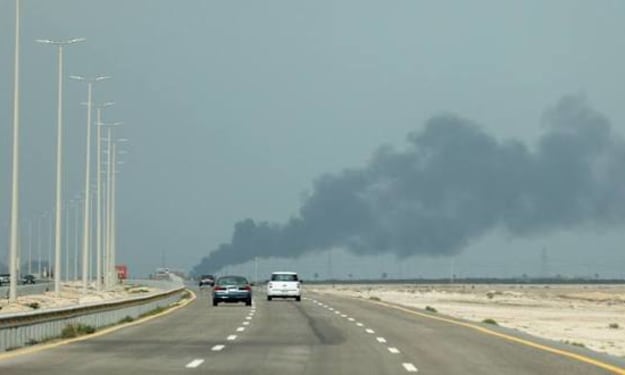
Gulf states have lost an estimated $15 billion in energy revenues since the start of the ongoing war in the region, according to analysts tracking the impact on the global oil and gas markets. The losses have been driven by a combination of disrupted production, damaged infrastructure, and reduced demand from international buyers, highlighting the economic vulnerability of nations heavily reliant on hydrocarbon exports. The conflict, which erupted earlier this year, has affected key energy-producing countries in the Gulf, including Saudi Arabia, United Arab Emirates, and Kuwait. Analysts report that output reductions, combined with logistical challenges in transporting oil and gas, have led to significant shortfalls in state revenues that fund public services, infrastructure projects, and social programs. “Energy exports are the lifeblood of the Gulf economies,” said an energy market expert. “Any prolonged disruption, particularly in the context of war, has immediate and severe consequences for government budgets and the broader economy.” In Saudi Arabia, one of the world’s largest oil producers, some key export facilities were temporarily suspended due to security threats near shipping routes in the Gulf. While production has gradually resumed, analysts estimate that the country has lost several billion dollars in expected revenues. Similar challenges have affected the UAE and Kuwait, where ports and pipelines have faced intermittent closures and heightened security alerts. The war has also affected global energy markets, contributing to volatility in oil and gas prices. While higher prices could offset some revenue losses for producers, the ongoing instability has discouraged long-term contracts and international investment, reducing the financial resilience of Gulf states. Shipping insurance premiums have surged, and some international buyers have delayed purchases due to fears of supply disruption. For nations heavily dependent on oil revenues, the losses are particularly concerning. Gulf states allocate a significant portion of their budgets to public welfare, infrastructure, and economic diversification initiatives. The sudden drop in income has forced governments to reassess spending priorities and consider measures such as tapping sovereign wealth funds, issuing bonds, or delaying capital projects. Some analysts warn that prolonged conflict could deepen economic strain. If the war continues for several months or expands geographically, the losses in energy revenue could rise sharply, potentially exceeding $20 billion. “The longer the conflict persists, the greater the economic damage will be,” said one regional economist. “Even minor disruptions to production or export routes can cascade into substantial fiscal shortfalls.” The economic impact is compounded by other global pressures, including fluctuating demand from major energy consumers and competition from alternative suppliers. European and Asian buyers have been seeking diversified sources of oil and gas, and sanctions or logistical hurdles have sometimes forced Gulf exporters to redirect shipments or renegotiate contracts at lower prices. In response, Gulf governments have ramped up security measures around energy infrastructure, including pipelines, refineries, and shipping lanes. Military patrols and aerial surveillance have been increased to safeguard exports, but analysts note that these measures add to operational costs and do not eliminate the risk of further revenue losses. Some states have also accelerated efforts to diversify their economies to reduce dependence on hydrocarbons. Projects in renewable energy, technology, tourism, and finance are being prioritized to create alternative sources of revenue. However, analysts caution that such diversification efforts are long-term solutions and cannot immediately offset the financial losses caused by the war. The International Energy Agency (IEA) has highlighted the broader implications of the Gulf revenue losses, noting that disruptions in the region can ripple through global markets. Reduced supply from major Gulf producers can drive up prices elsewhere, affect energy security for dependent nations, and influence inflationary pressures worldwide. While Gulf states continue to manage immediate fiscal challenges, officials are closely monitoring the situation. Contingency plans for energy exports, emergency budget measures, and diplomatic efforts to contain the conflict are all being considered. Experts emphasize that a resolution to the war, or at least a stabilization of key export routes, will be critical to restoring financial stability and ensuring the long-term viability of government programs. The $15 billion revenue loss is a stark reminder of the fragility of oil-dependent economies in the face of geopolitical conflict. As the Gulf navigates this challenging period, governments must balance short-term fiscal needs with longer-term strategic planning, ensuring that both immediate and future economic stability are safeguarded. The coming months will be pivotal, with analysts predicting that energy revenues, market confidence, and regional stability are all tightly intertwined, and the trajectory of the war will determine the scale of financial losses for Gulf states in 2026 and beyond.
By Fiaz Ahmed about 2 hours ago in Journal
Becca
"Everything is so... flat." Denille said stupidly as she looked around her new neighborhood. She looked around at the muted desert where even the smallest sign of life seemed to have given up. The plant life was shrubs that were half cooked by the heat and where there should have been a lawn, a mess of white rocks laid glistening in the sun. Even the sky looked stretched thin, like the sun had ironed it smooth. She’d moved from Riverside, where at least there were hills, but here in Barstow, everything felt baked and brittle.
By Sara Wilson8 days ago in Fiction



Comments
There are no comments for this story
Be the first to respond and start the conversation.