
Sleep Apnea Devices Market to Reach US$11.6 Billion by 2032, Driven by AI Integration and Expanding Access to Home-Based Healthcare Solutions
Technological innovation, telemedicine integration, and expanding home care solutions propel sustained growth in the global sleep apnea devices market
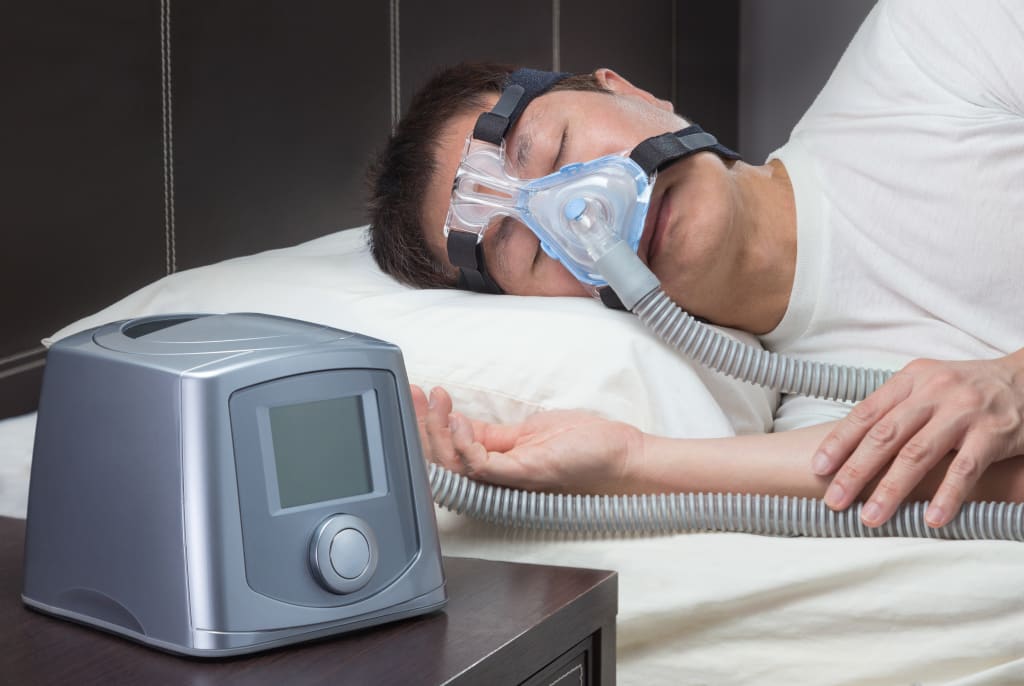
The global sleep apnea devices market, valued at US$6.4 billion in 2024, has risen to US$6.9 billion in 2025 and is projected to advance at a robust compound annual growth rate (CAGR) of 7.6% from 2025 to 2032. According to recent market analysis, the sector is poised to reach a forecasted valuation of US$11.6 billion by 2032, supported by technological innovation, growing awareness, and favorable reimbursement frameworks.
The market is experiencing strong momentum as telemedicine, mobile health (mHealth), and artificial intelligence (AI) become integral to the diagnosis and treatment of sleep apnea. Additionally, the expansion of major market players into emerging economies such as India, Australia, the UAE, and Saudi Arabia is opening new avenues for growth. Governments and healthcare agencies are increasingly broadening reimbursement policies for remote patient monitoring and connected healthcare services—enhancing accessibility to advanced sleep apnea management solutions.
Meanwhile, innovative compact Positive Airway Pressure (PAP) devices and wearable sleep monitoring technologies are reshaping the therapeutic landscape, offering patients greater comfort and convenience.
Market Drivers
Favorable Reimbursement and Increased Financial Support Accelerate Innovation
The sleep apnea devices market is undergoing a significant transformation fueled by substantial investments and funding from leading manufacturers. These financial inflows are enabling the development of next-generation Continuous Positive Airway Pressure (CPAP) devices and diagnostic tools designed for enhanced comfort and efficiency.
Manufacturers are channeling resources into extensive research and development (R&D), resulting in innovations that improve treatment adherence and overall outcomes. Beyond functionality, emphasis is being placed on patient comfort, encouraging broader adoption of therapeutic devices.
This sustained investment not only strengthens global distribution networks but also promotes greater awareness of sleep apnea and its treatment, expanding patient reach and improving quality of life worldwide.
Market Restraints
Limited Awareness and Complex Diagnosis Pathways Hinder Growth
Despite technological progress, low awareness and underdiagnosis continue to impede market expansion. Many individuals fail to recognize the symptoms of sleep apnea—such as snoring, fatigue, and concentration difficulties—leading to delays in seeking medical intervention.
Untreated cases increase the risk of cardiovascular disease, diabetes, and other metabolic disorders. The absence of adequate awareness campaigns and diagnostic infrastructure contributes to a significant treatment gap, limiting device adoption and overall market potential.
Opportunities
Rising Adoption of Cost-Effective Home Sleep Apnea Tests (HSATs)
The shift toward home-based healthcare is creating substantial opportunities for the sleep apnea devices industry. With escalating hospital costs, patients are increasingly turning to home sleep testing (HST) and treatment options.
Advancements in next-generation sleep-sensing technologies—including wireless connectivity, smartphone integration, and real-time data transmission—are driving the growth of home sleep apnea tests (HSATs). These innovations enhance user experience and diagnostic accuracy, making sleep testing more accessible and affordable.
As these solutions continue to evolve, home-based management of sleep apnea is expected to gain prominence, presenting lucrative growth prospects for manufacturers and healthcare providers alike.
Challenges
Low Patient Compliance with CPAP Therapy
One of the enduring challenges for the sleep apnea devices market is poor adherence to CPAP therapy. Discomfort, difficulty adjusting to devices, and inadequate patient education often lead to low compliance rates, reducing therapeutic efficacy.
Industry stakeholders are increasingly focusing on patient education, comfort-driven designs, and digital support tools to improve long-term adherence and treatment outcomes.
Market Segmentation Insights
Therapeutic Devices:
The Positive Airway Pressure (PAP) devices segment dominated the therapeutic devices market in 2024. Continuous innovation has led to the creation of quieter, smaller, and more user-friendly PAP machines, boosting patient satisfaction and adherence. These devices remain the cornerstone of treatment for moderate to severe obstructive sleep apnea.
End Users:
The home care settings segment held the largest market share in 2024, reflecting the global shift toward personalized and cost-efficient healthcare. The segment’s growth is bolstered by increased use of home sleep tests and the rising demand for convenience-driven treatment solutions.
Meanwhile, sleep laboratories, clinics, and hospitals continue to benefit from advanced diagnostic systems and improved healthcare infrastructure, fostering comprehensive patient care.
Regional Insights
North America led the global market in 2024, attributed to its robust healthcare infrastructure, strong awareness of sleep disorders, and widespread adoption of diagnostic technologies.
The Asia Pacific region is anticipated to register the fastest CAGR through 2032, driven by a large undiagnosed patient base, growing prevalence of obesity and hypertension, and the rapid establishment of sleep clinics. Global players are actively pursuing strategic partnerships, acquisitions, and expansions to strengthen their foothold in emerging markets such as India and Australia.
Key Market Players
Major companies operating in the global sleep apnea devices market include:
ResMed (US); Koninklijke Philips N.V. (Netherlands); Fisher & Paykel Healthcare Limited (New Zealand); Inspire Medical Systems, Inc. (US); SomnoMed (Australia); Openairway (Canada); Compumedics Limited (Australia); Lowenstein Medical SE & Co. KG (Germany); Drive DeVilbiss International (US); BMC (China); BRAEBON Medical Corporation (Canada); DynaFlex (US); Panthera Dental (Canada); Myerson LLC (US); ProSomnus Sleep Technologies (US); Nidek Medical India (India); Tomed GmbH (Germany); LivaNova PLC (UK); Invacare Holdings Corporation (US); MPowrx Health & Wellness Products Inc. (Canada); Nihon Kohden Corporation (Japan); SICAT GmbH & Co. Kg (Germany); Vivos Therapeutics, Inc. (US); Airway Management (US); and Apnea Sciences (US).
About the Creator
Keep reading
More stories from Juan Martinez and writers in Journal and other communities.
Global Digital Health Market Surges to USD 199.1 Billion in 2025, Poised to Reach USD 573.5 Billion by 2030 at 23.6% CAGR
The global digital health market continues its rapid expansion, rising from USD 162.1 billion in 2024 to USD 199.1 billion in 2025, and is projected to achieve a remarkable USD 573.5 billion by 2030, advancing at a compound annual growth rate (CAGR) of 23.6% between 2025 and 2030. The market’s strong growth reflects the accelerating adoption of digital technologies across healthcare systems worldwide, aimed at improving accessibility, personalization, and efficiency of care delivery.
By Juan Martinez4 months ago in Journal
The goals I did not achieve
Every writing goal I made for the year is a wash. It has been this way for a while, but I think it's important to be open about my failures and the reality of how life can get in the way. This is especially true considering the several times I have posted on Vocal about my writing goals, how I was changing my approach, and where I was hoping to be for the upcoming year. I will probably do that again in a couple months, but for now, it is time to acknowledge where I am today.
By Kay Husnick24 days ago in Journal
Insurance Coverage Investigation Best Practices for Claims Professionals
Insurance coverage investigations are a cornerstone of effective claims handling. A thorough, timely, and well-documented investigation not only determines whether coverage applies but also protects insurers from unnecessary exposure, supports defensible claim decisions, and promotes fair treatment of policyholders.
By Addison Jonsabout 16 hours ago in Journal
Ludacris and Nelly draw backlash over bookings at MAGA-coded music festival
Ludacris and Nelly headlining a mostly right-wing event is good for them. It’s also great for the genre of hip hop. The two rap veterans have showcased their talents on other stages. Why can’t they perform for mostly MAGA folks and grab that bag?
By Skyler Saunders5 days ago in Beat


Comments
There are no comments for this story
Be the first to respond and start the conversation.