
Skin Cancer and Warts: What You Need to Know
Skin cancer is a serious health issue that impacts a lot of people.
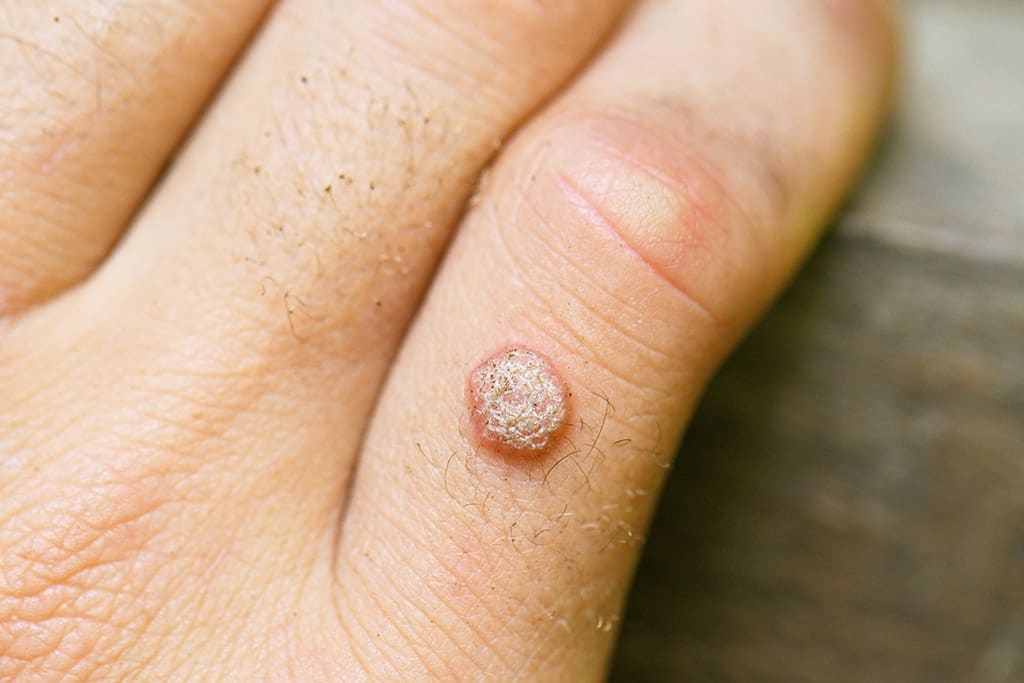
Skin cancer is a serious health issue that impacts a lot of people. However, you may not be able to know you have skin cancer as you mistake it for harmless skin growths such as warts. Learning about how skin cancer differs from warts allows you to better care for your skin and know when to seek a medical professional. Also, learning about the signs of skin cancer allows for early detection and treatment.
What to Know About Warts
Warts are skin bumps that can appear on your skin unexpectedly. They develop because of the Human papillomavirus (HPV) and appear anywhere such as on your feet, hands, private parts, or face. They can come in various colors and be rough to the touch. In some instances, warts have small black dots in them. These dots are tiny blood vessels.
Because warts are contiguous, they can easily spread on different parts of your body whenever you scratch or touch them. Also, you can pass skin warts to other people when you touch their skin or share razors, towels, and other items with them. Typically, warts appear as tiny, well-defined skin bumps that have a rough texture. If they appear on the bottom of your feet or finger, you can mistake them for calluses.
Often, warts disappear without treatment. However, they can be annoying. Thankfully, there are treatments available to eliminate warts faster such as using liquid nitrogen to freeze them or prescription creams.
Understanding how warts spread is crucial for both prevention and treatment. Practicing good hygiene, avoiding direct contact with warts on others, and refraining from sharing personal items like towels and razors can reduce the risk of spreading warts. Additionally, boosting your immune system through a healthy diet and regular exercise can help your body fight off the virus that causes warts. If you have persistent or painful warts, consulting a dermatologist for advanced treatment options is advisable. They can recommend effective therapies that may include stronger topical treatments, laser therapy, or even minor surgical procedures to remove stubborn warts.
What is Skin Cancer?
Skin cancer is a severe problem characterized by abnormal skin cell growth. It can develop due to too much exposure to the sun, a weak immune system, or genes. Examples of skin cancer include melanoma, squamous cell carcinoma, and basal cell carcinoma. These types have varying looks and require different treatments.
The most serious kind of skin cancer is melanoma. This cancer may appear in skin spots or moles. However, they usually appear on normal skin areas and can quickly spread when not detected early. Meanwhile, squamous cell carcinoma usually looks like red, scaly patches or firm bumps. Basal cell carcinoma usually looks like flesh-colored bumps that tend to grow slowly. Skin cancer may manifest as changes in spots or moles, sores that do not heal, and new growths.
Skin cancer treatment depends on the kind and how far it has spread. This might involve radiation, surgery, medicine, or a combination of such treatments. Detecting skin cancer sooner allows for easier treatment.
It is essential to protect your skin from excessive sun exposure by wearing sunscreen, protective clothing, and seeking shade during peak sun hours. Regular skin checks, both self-examinations and professional screenings, are vital in identifying suspicious changes early. If you have a history of skin cancer in your family or other risk factors, such as fair skin or a history of sunburns, you should be particularly vigilant. Early detection and treatment can significantly improve outcomes and reduce the risk of severe complications.
Recognizing Skin Cancer Signs
To detect skin cancer early, you should know the signs of its presence. Below are signs you should watch out for:
● Moles or new spots. The appearance of skin spots or moles on your skin should alarm you for possible cancer. This is especially the case if such growths look weird such as having different colors or uneven edges. Also, skin spots that bleed, itch, or hurt should be checked by a doctor.
● Persistent sores or wounds. Sometimes, these sores or wounds can be crusty or scaly. They may persist for a long time. Once you notice these issues, see a doctor right away.
● Changes in the way your skin feels. If you notice areas on your skin that feel strange or any rough patches, get it checked out as soon as possible.
● Strange skin sensation. If you notice skin itching and pain, visit a dermatologist. Although some factors may have caused these issues, they might also be due to skin cancer.
If you are not sure about the changes you notice in your skin, visit a dermatologist to get a confirmation. Your skin doctor will help you determine what is happening and get the appropriate treatment. Regular skin checks and consultations with a dermatologist are essential for maintaining skin health and early detection of any potential issues. By staying informed and proactive about your skin's health, you can better protect yourself against skin cancer and other skin conditions.
About the Creator
Keep reading
More stories from Simon Hopes and writers in Journal and other communities.
Car Accident Attorney in Las Vegas: Your Guide to Legal Support after a Crash
Introduction Car accidents can be a traumatic and life-altering experience, especially in a bustling city like Las Vegas. With its busy streets and high traffic volume, accidents are unfortunately common. Navigating the aftermath of a car accident can be overwhelming, which is why seeking the help of a qualified car accident attorney in Las Vegas is crucial. This article provides a comprehensive guide to understanding the role of a car accident attorney, the benefits of hiring one, and how to choose the right attorney for your needs.
By Simon Hopes2 years ago in Journal
The Role of Confession in Spiritual Growth
Confession, also called the Sacrament of Reconciliation, is one of the most powerful and transformative practices in Catholic life. Through this sacrament, Catholics seek God’s forgiveness for sins, experience His mercy, and receive spiritual guidance. Far from being a routine obligation, confession is a vital pathway to spiritual growth, healing, and deeper communion with God. Understanding its purpose, benefits, and proper approach can enrich a believer’s faith and daily life.
By Sound and Spirit7 days ago in Journal



Comments (1)
Really sad about all human beings including me. Because we are not privileged that we don't get cancer!