
Shooting at Antioch High School 2025: A Call to Action for Safer Schools and Stronger Communities
Shooting at Antioch High School 2025: A Call to Action for Safer Schools and Stronger Communities

A Community Shaken, A Nation Listening
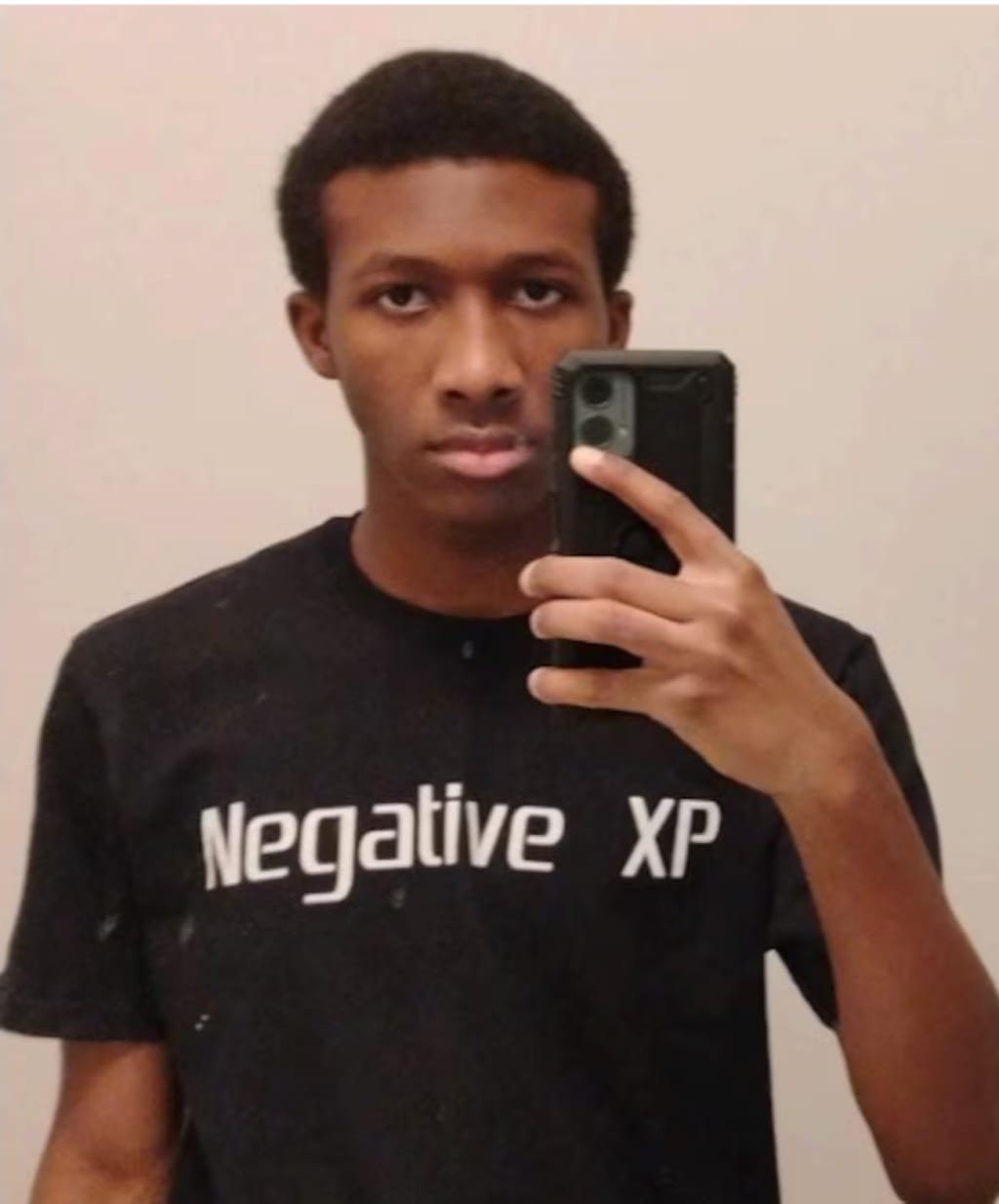
The Antioch High School shooting in 2025 has left a community grieving and searching for answers. The 16-year-old girl who was fatally wounded in the cafeteria of Antioch High School this morning is identified as Josselin Corea Escalante,” MNPD said. “The 17-year-old shooter who killed himself is identified as Solomon Henderson, who was an active student at Antioch High School.
The fourth victim received a facial injury but was not shot according to MNPD. He is being treated for this injury.
Aaron said that the 17-year-old fired multiple shots in the school’s cafeteria — shooting the two girls and then himself. SWAT units have cleared the school and MNPD reports that there is no further threat to the public.
Nashville leaders, including Police Chief John Drake, Mayor Freddie O’Connell and others provided an update hours after the deadly shooting inside the cafeteria in Antioch High School. The school is set to be closed through the end of the week, Metro Nashville Public Schools leadership shared.
Chief Drake reports that the 17-year-old student confronted a 16-year-old student in the cafeteria. That’s when the boy began firing shots, striking and killing the girl.
Another student, a 17-year-old boy, sustained a graze wound and was treated and released from a local hospital. Drake said that after firing shots, the shooter then turned the gun on himself in the cafeteria.
Calls to 911 began coming in at about 11:11 a.m. and that’s when the mass response from law enforcement began. Responding officers found the shooter dead.
The motive of the shooting is still unknown at this time. Drake also shared that their is material circulating online that being investigated.
MNPD expects the investigation to remain active and ongoing into the hours of Thursday morning.
Mayor O’Connell shared that the Department of Emergency has been notified and that the recovery center has been focused on victims.
“We as a community will continue to rally to ensure resources are there for those impacted,” O’Connell said.
MNPS Director Dr. Adrienne Battle shared that Antioch High School will be closed for the rest of the week.
“Today we lost students in a tragic incident forever changing the lives of the families and those who knew them,” Battle shared. “I want to thank the school staff who quickly followed emergency protocols potentially stopping others from being harmed.”
Incidents like this not only disrupt the lives of students and families but highlight critical gaps in school safety measures and mental health awareness. This tragedy, while heartbreaking, also provides an opportunity to spark meaningful discussions and implement change to ensure safer learning environments across the country.
The Impact: More Than Just a Statistic
When tragedy strikes, it is essential to look beyond the numbers. However, understanding the scale of the problem helps frame the urgency of action:
Over 50 school shootings were reported across the U.S. in 2024, according to national safety data.
Mental health in schools remains underfunded, with the National Association of School Psychologists recommending a ratio of 1 counselor per 250 students, yet most schools average 1 per 1,200.
Communities like Antioch, previously considered safe, now face the same realities as larger metropolitan areas, showing that violence knows no boundaries.
For students, faculty, and families, the effects of such an event are long-lasting. Fear of returning to school, decreased academic performance, and emotional trauma are common repercussions. The question becomes: How can we, as a society, prevent these tragedies and provide support to those affected?
Breaking Down the Problem: Key Contributing Factors
Mental Health Crisis Among Youth:
Studies reveal that 1 in 5 adolescents in the U.S. struggles with a diagnosable mental health disorder, yet only a fraction receives the care they need. This lack of support often allows emotional turmoil to escalate unchecked.
Lax Security Measures:
While many schools have introduced metal detectors, surveillance systems, and resource officers, inconsistent implementation and funding disparities leave some campuses more vulnerable than others.
Community Disconnection:
Modern societal shifts, including increased social media use and declining face-to-face interactions, have contributed to feelings of isolation among youth. A 2019 study by the American Psychological Association highlighted how social isolation is a growing precursor to violence.
Solutions: Building Safer Schools and Stronger Connections
The Antioch High School incident must serve as a wake-up call. Below are actionable steps that communities and policymakers can take to address the underlying causes of school violence:
Prioritize Mental Health Services:
Schools must invest in mental health counselors, peer support programs, and early intervention initiatives. Educators and parents should be trained to recognize warning signs and provide timely help.
Strengthen School Security:
Implementing uniform safety protocols, including controlled entry points, advanced surveillance, and regular safety drills, can deter violence. Equally important is ensuring all students feel safe—not policed—within these environments.
Foster Community Engagement:
Stronger ties between schools, families, and local organizations can help identify at-risk youth and provide support. Creating mentorship programs, after-school activities, and safe spaces for dialogue can make a tangible difference.
Legislation and Policy Changes:
Lawmakers must address gun control measures, focusing on secure storage laws and background checks. At the same time, they should allocate funding for school safety and mental health resources.
Turning Tragedy into Change
The Antioch High School shooting has left scars on a community, but it also has the power to inspire a collective push for change. By addressing the root causes—mental health, security, and community disconnection—we can prevent similar incidents and create environments where students feel safe to learn and grow.
Tragedy often sparks action, and action drives progress. The pain experienced by the Antioch High School community is unimaginable, but their story can be a catalyst for a safer, more compassionate future. It’s time for schools, communities, and policymakers to come together and ensure that no student ever feels unsafe walking into a classroom again.
Remember, safety is not just a priority—it’s a right.
About the Creator
Omasanjuwa Ogharandukun
I'm a passionate writer & blogger crafting inspiring stories from everyday life. Through vivid words and thoughtful insights, I spark conversations and ignite change—one post at a time.
Keep reading
More stories from Omasanjuwa Ogharandukun and writers in Journal and other communities.
President Trump’s Pardon of Ross Ulbricht: A Controversial Move That Could Spark New Conversations on Justice Reform
A Presidential Act That Divides a Nation On January 19, 2021, in the final hours of his presidency, Donald Trump made a polarizing decision: he granted a full pardon to Ross Ulbricht, the creator of the Silk Road, a dark web marketplace known for illegal activities. While some hail this move as a victory for justice reform and second chances, others view it as a dangerous precedent. Let’s explore the implications of this controversial pardon and what it could mean for justice, technology, and society.
By Omasanjuwa Ogharandukun12 months ago in Journal
The goals I did not achieve
Every writing goal I made for the year is a wash. It has been this way for a while, but I think it's important to be open about my failures and the reality of how life can get in the way. This is especially true considering the several times I have posted on Vocal about my writing goals, how I was changing my approach, and where I was hoping to be for the upcoming year. I will probably do that again in a couple months, but for now, it is time to acknowledge where I am today.
By Kay Husnick16 days ago in Journal
'20/20'
"Do It Again" the track that would ultimately open the Beach Boys final album on Capitol Records which was released on February 10th 1969 had originally been released as a single in August of 1968. The track was the first of many post-Pet Sounds era throwbacks to the early Beach Boys sound which would become continually more cliched and eventually lead the Beach Boys to the level of self-parody they would eventually succumb to in the 1980s while their closest contemporaries The Beatles nearing the end of their run in 1969 would go on to be viewed as the most influential band of all time. However, the song itself is not bad on its surface, and it opens with a futuristic sounding (for 1969) drumbeat captured by then-Beach Boys engineer Stephen Desper using tape delays on the drums performed by Dennis Wilson and John Guerin. The song has been re-recorded numerous times over the years on various Beach Boys-related projects most notably the 2011 re-recording at Capitol studios featuring the five surviving Beach Boys at the time backed instrumentally by various members of both the Brian Wilson Band and Mike Loves touring "Beach Boys" to promote the then upcoming Beach Boys 50th Anniversary reunion tour in 2012. The hammering and power drill sound at the end of the song was an excerpt from a track called "Workshop" that was to be a part of the uncompleted "SMiLE" album.
By Sean Callaghan6 days ago in Beat




Comments
There are no comments for this story
Be the first to respond and start the conversation.