
Shamis Tate Explains Her Approach to Blending Modern and Holistic Neurology
A neurologist’s thoughtful blend of advanced medicine and whole-person wellness, shaping a compassionate and effective approach to nerve health.

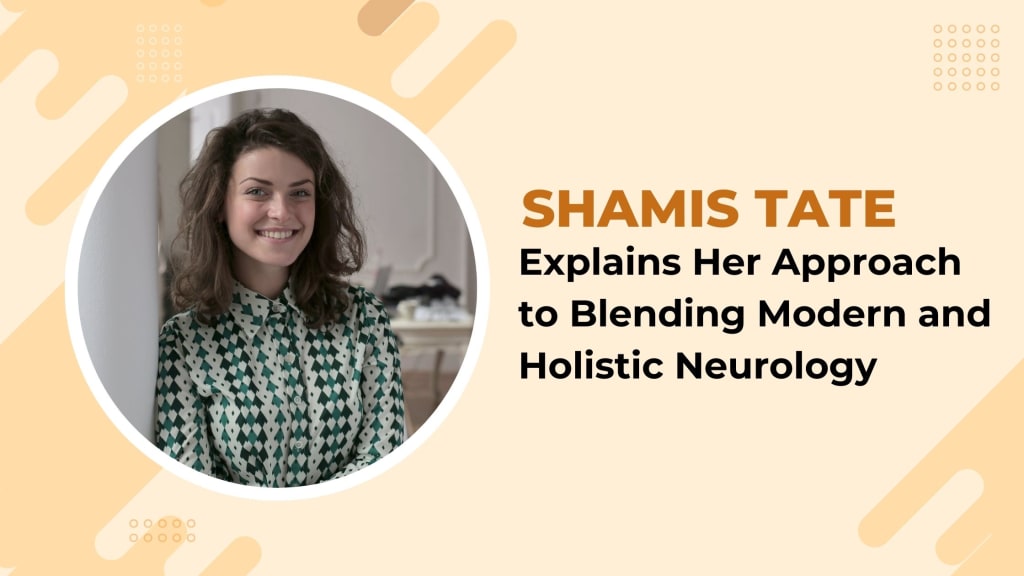
Modern neurology continues to evolve at a remarkable pace, and few experts illustrate this progress better than Dr. Shamis Tate, a neurologist known for combining scientific innovation with whole-person care. Instead of treating symptoms alone, she focuses on the person behind the diagnosis, helping patients understand their bodies, manage chronic conditions, and feel supported throughout their recovery journey.
Her philosophy bridges two worlds—advanced neurological treatment and holistic wellness. This integrated style offers patients a path that feels both medically sound and personally meaningful. In this article, Dr. Tate explains why blending these approaches results in stronger, more sustainable outcomes.
Understanding the Foundation of Modern Neurology
Modern neurology relies heavily on research, technology, and evidence-based practice. According to Dr. Tate, these tools are essential for diagnosing and managing conditions such as neuropathy, epilepsy, migraines, multiple sclerosis, and other disorders involving the brain and nervous system.
The Role of Technology in Today’s Neurology
Dr. Tate uses technologies such as:
- Advanced imaging tools that allow her to detect subtle nerve changes
- Electrodiagnostic tests to understand how nerves communicate
- Digital health tracking to monitor patient symptoms over time
- Modern medication protocols tailored to complex neurological conditions
These tools help her form precise diagnoses and build treatment plans grounded in science. However, she believes technology alone is not enough.
“Technology gives us clear answers,” she says, “but healing requires more than data. Patients need trust, sustainable habits, and an understanding of how their daily choices affect their neurological health.”
Why Dr. Tate Integrates Holistic Care
Holistic neurology views the nervous system as part of a larger picture—one that includes lifestyle, mental well-being, nutrition, sleep, and stress. Dr. Tate explains that patients often experience faster improvement when these areas are addressed alongside clinical treatment.
A Whole-Person Perspective
- Dr. Tate incorporates holistic elements such as:
- Mind-body practices to help patients manage stress
- Nutritional guidance that supports nerve function and reduces inflammation
- Movement-based therapies to improve mobility and reduce pain
- Emotional support for patients dealing with chronic or complex conditions
Her goal is not to replace modern medicine but to enhance it. She believes neurological health improves when the body and mind work together. “The nervous system doesn’t exist in isolation,” she notes. “When we support the entire person, recovery becomes more achievable.”
Blending Both Approaches for Better Outcomes
What sets Dr. Tate apart is her ability to weave modern and holistic methods into a single, unified plan. This blended strategy gives patients options that feel both scientifically sound and personally empowering.
1. Personalized Assessment and Treatment
Each patient begins with a thorough evaluation. Dr. Tate studies symptoms, test results, lifestyle patterns, and environmental factors. From there, she builds a tailored plan that may include medication, therapeutic exercises, stress-reduction techniques, or lifestyle adjustments.
She emphasizes that no two neurological conditions are identical. Customization helps patients feel understood and gives them a stronger sense of control.
2. Balancing Medication With Lifestyle Support
While medication can be essential, Dr. Tate teaches patients how habits play a major role in neurological function. Sleep routines, hydration, diet, and movement often influence pain levels, nerve healing, and brain clarity.
For example, a patient with chronic migraines may receive a medication plan but also learn relaxation methods, nutritional changes, or posture adjustments to reduce triggers. This multi-angle approach helps reduce reliance on medication while improving long-term stability.
3. Empowering Patients Through Education
Education is a central part of her work. Dr. Tate believes informed patients make better decisions.
She explains conditions in simple language, outlines treatment expectations clearly, and encourages patients to monitor their symptoms. This level of engagement builds confidence and helps patients participate actively in their recovery.
The Importance of Emotional Support in Neurology
Neurological problems often bring fear, uncertainty, and lifestyle changes. Dr. Tate recognizes how emotional well-being influences physical healing.
Creating a Supportive Environment
She takes time to listen carefully, answer questions, and reinforce hope. This supportive relationship is especially important for patients with chronic or progressive nerve conditions.
Dr. Tate believes empathy is as important as expertise. “Patients need to feel heard,” she says. “When they know we’re walking alongside them, the entire healing process becomes less overwhelming.”
How Holistic Practices Complement Modern Care
Holistic practices are becoming more widely accepted in neurology, and Dr. Tate incorporates them thoughtfully.
Stress Management Techniques
Chronic stress can worsen nerve pain, increase inflammation, and trigger neurological symptoms. Dr. Tate recommends relaxation strategies such as guided breathing, gentle stretching, or mindfulness routines. These practices are simple but effective in calming the nervous system.
Nutrition and Brain Health
She often discusses how certain foods influence nerve function. Diets rich in antioxidants, healthy fats, minerals, and hydration can support nerve repair and improve overall brain performance. Her nutritional suggestions are customized based on symptoms and patient goals.
Dr. Tate encourages movement-based therapies like walking, light strength exercises, or therapeutic stretching. Physical activity helps circulation, reduces stiffness, and improves balance—key factors for anyone dealing with neurological disorders.
Patient-Centered Care as the Core of Her Philosophy
What truly def ines Dr. Tate’s style is her patient-centered approach. Every decision—whether medical or holistic—is guided by the patient’s comfort, ability, and long-term expectations.
Active Listening and Clear Communication
Patients often highlight her ability to explain complex neurological concepts in a reassuring and easy-to-understand way. Dr. Tate ensures they fully understand their diagnosis, treatment options, and expected outcomes.
Building Trust and Long-Term Support
Healing the nervous system can take time. Trust is essential. Many patients continue working with her for years because they feel genuinely supported and guided at each step.
Looking Ahead: The Future of Blended Neurology
Dr. Tate believes the future of neurology lies in continued integration. As research grows and new technologies emerge, more patients will benefit from a blend of modern science and holistic strategies.
She envisions a future where neurologists don’t just treat nerve disorders—they help patients rebuild their lives with clarity, confidence, and sustainable wellness.
Conclusion
Dr. Shamis Tate’s approach reflects a meaningful shift in neurological care. By merging advanced medical tools with holistic practices, she offers a pathway that feels thoughtful, hopeful, and personalized.
Her philosophy shows that true healing happens when science and compassion work together. Through education, patient-centered guidance, and a dedication to both modern and holistic methods, Dr. Tate continues to make a lasting impact on the lives of those facing neurological challenges.
About the Creator
What Milwaukee Teams Overlook During App Planning Phases?
Most app projects in Milwaukee do not fail because of poor execution. They struggle because early planning feels productive while leaving the hardest questions unanswered. Whiteboards fill up. Features get approved. Timelines look reasonable. Momentum builds. What is missing rarely feels urgent at that stage.
By Samantha Blake5 days ago in Journal


Comments
There are no comments for this story
Be the first to respond and start the conversation.