
Seychelles and the Circular Economy: A New Economic Future Hidden in Waste. By Salim C. Mathieu
The next era of growth for Seychelles will not come from more hotels or more reclaimed land. It will come from reimagining our relationship with materials. It will come from turning waste into wealth. It will come from industries that regenerate rather than deplete.

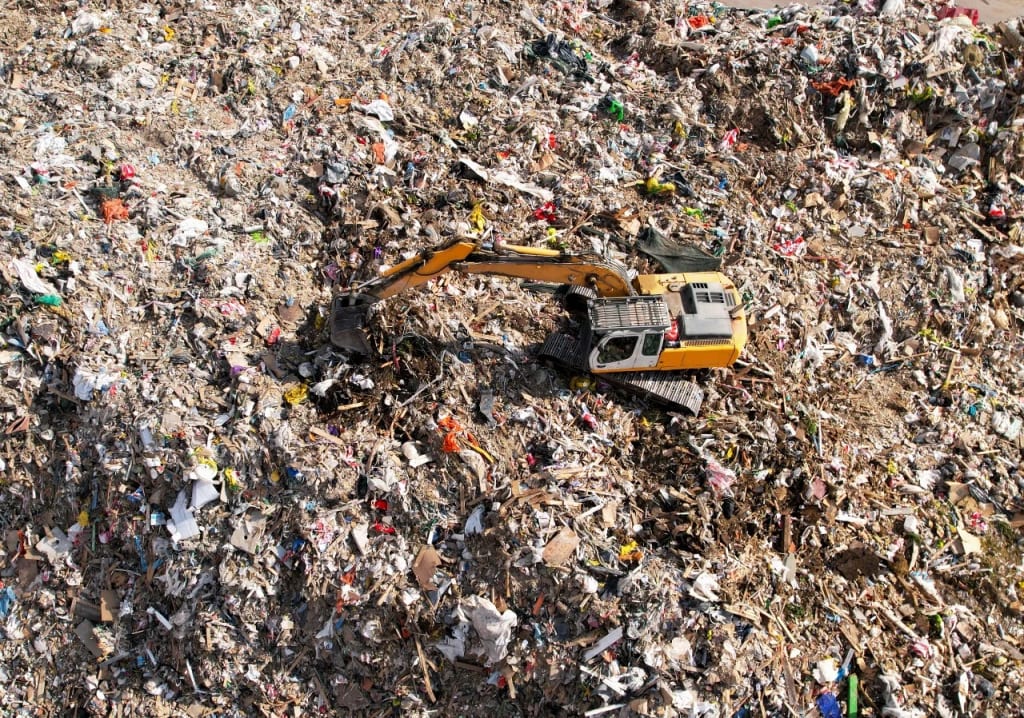
For decades, Seychelles has spoken about diversification, resilience, and sustainability. Yet we continue to treat waste as a problem rather than an opportunity. In the twenty-first century, the most innovative nations are those that understand that nothing should be thrown away. Every material has value. Every discarded product has a second life. Every waste stream can become a revenue stream.
A circular economy is not simply an environmental trend. It is an economic revolution that transforms how a nation uses resources, creates jobs, and builds long term prosperity. For Seychelles, this transformation is essential. Our islands face unique pressures from limited land, high import dependency, and rising costs of waste management. At the same time, the world is entering a trillion dollar circular economy shift driven by climate action, resource scarcity, and global consumer demand for sustainable products.
The next era of growth for Seychelles will not come from more hotels or more reclaimed land. It will come from reimagining our relationship with materials. It will come from turning waste into wealth. It will come from industries that regenerate rather than deplete.
This article outlines a new strategy for developing a circular economy that strengthens national resilience and unlocks hidden economic value across our islands. It is a vision of innovation, diplomacy, and economic leadership for Seychelles in a world that is rapidly redefining what it means to grow.
Why Seychelles Needs a Circular Economy Now
Seychelles imports almost everything it consumes, from food to packaging to electronics. We extract very little and manufacture even less. As a result, we generate significant waste but lack the economies of scale to manage it cost-effectively.
Our landfills are reaching capacity. Waste management costs are rising. Marine pollution threatens tourism, fisheries, and biodiversity. And every ton of material we throw away represents money lost. Meanwhile, global markets are shifting toward sustainable products, repairable goods, and recycled materials.
A circular economy offers a powerful response to these pressures.
It reduces dependency on imports. It creates new industries. It decreases landfill use. It protects the environment. It generates foreign exchange through green exports. And it positions Seychelles as a regional leader in sustainability.
A circular economy is not just an environmental goal. It is an economic necessity. It is a strategic advantage for a small island state that must stretch every resource as far as possible.
What a Circular Economy Means for Seychelles
A circular economy is built on three principles:
- Keep materials in use for as long as possible
- Design products to be reused, repaired, or repurposed
- Regenerate natural systems instead of degrading them
For Seychelles, this means rethinking entire sectors of our economy:
- Waste collection becomes material recovery
- Recycling becomes manufacturing
- Tourism becomes a circular service industry
- Fisheries and agriculture shift to regenerative models
- Construction moves toward green materials and reuse
In other words, we replace the old linear model of take, make, use, throw away with a system that keeps resources circulating and value continuously increasing.
The Hidden Economic Potential in Seychelles Waste
To understand the scale of opportunity, we must recognise that Seychelles waste stream is actually a resource stream. Plastics, metals, glass, organic waste, textiles, old electronics, used tyres, and construction waste all contain economic value waiting to be transformed.
Below are some of the most promising circular economy industries Seychelles can develop.
1. Plastic Recycling and Green Manufacturing
Seychelles imports thousands of tons of plastic every year, much of which ends up in landfills or the ocean. Yet plastic can become:
- Construction boards
- Outdoor furniture
- Pallets
- Roofing tiles
- 3D printing material
- Packaging
- Reusable products for hotels
A national Plastic Recovery Zone could supply materials to local manufacturers who convert recycled plastic into durable products. This industry can employ youth, reduce imports, and generate export products with high global demand.
2. Organic Waste to Agriculture and Energy
Food waste and green waste are among the largest waste streams in Seychelles. Instead of sending them to landfill, they can be transformed into:
- High-quality compost
- Soil enrichment products
- Animal feed
- Biogas for energy
- Organic fertiliser to reduce chemical imports
Small island states like Mauritius have already begun transforming organic waste into agricultural opportunity. Seychelles can go further with a coordinated national system that converts every restaurant, hotel, and household food scrap into economic value.
3. Construction Waste Recovery and Reuse
Construction is one of our biggest industries and one of our biggest sources of waste. A circular construction strategy could include:
- Reuse of bricks and blocks
- Crushed concrete used in road works
- Recovered metals and fixtures
- Repair and resale of construction equipment
- Creation of a national building materials exchange platform
A single reuse centre could save millions annually in material imports while reducing pressure on landfills.
4. Repair, Refurbish, and Reuse Industries
Repair is one of the most profitable circular economy sectors globally. Seychelles can develop repair and refurbish industries for:
- Electronics
- Home appliances
- Furniture
- Textiles
- Bicycles and e-scooters
- Tools and machinery
A Repair Economy Hub can train young technicians and provide incentives for entrepreneurship. Every item repaired is another import avoided and another job created.
5. Circular Tourism as a New Revenue Model
Tourism is our main economic pillar. It can also become our main circular economy platform.
Hotels, resorts, and tour companies can implement systems that reduce waste and create revenue:
- Zero-waste kitchens
- Durable reusable amenities
- Composting systems
- Guest-facing sustainability experiences
- Green procurement policies
- Recycling programs that supply local manufacturers
The global tourism market is increasingly shaped by sustainability expectations. A fully circular tourism sector would give Seychelles a powerful competitive advantage.
6. Circular Blue Economy Opportunities
Our oceans contain economic value far beyond fisheries.
Circular blue economy opportunities include:
- Seaweedbased bioplastics
- Marine debris recycling
- Sustainable aquaculture systems
- Sea salt byproducts
- Coral restoration related services
- Algae based cosmetics and food supplements
Seychelles can position itself as a global leader in circular ocean industries, particularly in partnership with universities and private sector innovators.
Seychelles Can Become a Regional Leader in Circular Trade
Circular economy industries require a steady supply of materials. Because the Seychelles market is small, we can supplement local waste with imported recyclable materials from East Africa, Madagascar, and the wider Indian Ocean region.
By creating a Seychelles Circular Free Zone, we can attract global recyclers and manufacturers to operate from our islands. The zone would allow companies to:
- Import recyclable materials tariff free
- Process them into high-value products
- Export the finished goods
- Employ local workers
- Pay licensing and service fees to the Seychelles government
This would transform Seychelles from a high-cost importer to a regional processing hub that earns revenue through value addition.
The Circular Economy as a Tool for Diplomacy and International Influence
Seychelles has global diplomatic strength far beyond its size. We are respected for our environmental leadership and maritime governance. By adopting a circular economy strategy, we can enhance our global influence on sustainability policy.
This includes:
- Leading regional circular economy frameworks
- Negotiating material recovery partnerships with African nations
- Attracting climate investment funding
- Partnering with the European Union and Japan on green innovation
- Becoming a voice for small island states in global waste governance
Our diplomacy becomes stronger when our domestic policies reflect innovation and long-term vision.
Financing Seychelles Circular Economy Transformation
A circular economy is financially strategic because it reduces long term costs, lowers import dependency, and increases domestic value creation. The transformation can be funded through a combination of:
1. Public investment in infrastructure
Examples include composting facilities, material recovery centres, and a national plastic processing plant.
2. Private sector led manufacturing
Investors can develop recycling factories, repair hubs, and green product manufacturers.
3. International climate finance
Circular economy projects qualify for funding from:
- Green Climate Fund
- Global Environment Facility
- United Nations Industrial Development Organization
- European Union sustainability programs
4. Tourism sector partnerships
Hotels and resorts can co invest in systems that reduce their waste and produce resources for local industries.
5. Diaspora green investment schemes
A Seychelles Circular Future Bond could appeal to environmentally conscious investors at home and abroad.
A National Strategy for Implementing a Circular Economy
To achieve real results, Seychelles must adopt a structured national approach. The following strategy can guide the transition.
1. Create a Circular Economy Authority
A dedicated body would coordinate efforts across government, private sector, and communities. It would oversee standards, projects, partnerships, and investment attraction.
2. Introduce a Circular Economy Act
This law would provide the legal framework to require:
- Material separation at source
- Recycling targets
- Producer responsibility schemes
- Standards for eco design and packaging
- Incentives for repair, reuse, and remanufacturing
It would align our laws with global sustainability standards.
3. Build Modern Material Recovery Facilities
These centres would collect, sort, clean, and prepare recycled materials for manufacturing. They create jobs and supply local industries with raw materials that would otherwise be imported.
4. Establish Industry Hubs that Foster Innovation
Seychelles can create specialised hubs for:
- Plastic recycling
- Organic waste conversion
- Repair and refurbish businesses
- Circular construction materials
- Blue economy circular industries
Each hub becomes a centre of training, entrepreneurship, and export production.
5. Integrate Circular Economy Education into Schools
Young people must understand that waste has value. Training in repair, composting, recycling, and sustainable design should be part of the national curriculum.
6. Use Tourism as the First Major Circular Sector
Hotels and resorts can be required to separate waste, compost organics, buy local recycled products, and report their waste footprint. This generates large volumes of recyclable materials and stimulates local industries.
7. Incentivise Businesses to Adopt Circular Models
This can include tax incentives, grants, low-interest loans, and recognition programs for companies that reduce waste and increase resource efficiency.
The Social Benefits of a Circular Economy in Seychelles
A circular economy is not only an economic strategy. It is a social strategy that improves quality of life for citizens.
1. More jobs and more types of jobs
Circular industries create work that is meaningful and diverse:
- Technicians
- Engineers
- Designers
- Craftspeople
- Product developers
- Waste managers
- Biogas technicians
- Repair specialists
These jobs strengthen the middle class and reduce economic inequality.
2. Cleaner communities and healthier families
Less landfilling means cleaner air, cleaner water, and reduced exposure to toxins. It means communities that feel safe and proud.
3. Lower cost of living
Local production of compost, animal feed, construction materials, and recycled products reduces import prices. A circular economy places downward pressure on household expenses.
4. Greater national resilience
When supply chains fail, circular economies continue operating. When import routes become expensive, local resource loops protect the nation.
A Vision for Seychelles in 2035
If Seychelles commits to a circular economy with seriousness and unity, our nation can be transformed within one decade.
By 2035, Seychelles can become:
- A regional leader in recycling and green manufacturing
- A global model for circular tourism
- A hub for circular blue economy innovation
- A country with near-zero landfill waste
- A nation where sustainable industry employs thousands
- An exporter of green products and materials
- A respected voice in global sustainability diplomacy
This is not an environmental aspiration. It is an economic transformation that can redefine our national future.
Final Reflection
Waste is not a burden. Waste is a resource. Waste is potential. Waste is opportunity waiting for courage, imagination, and leadership.
As someone deeply committed to the future prosperity of Seychelles, I believe that a circular economy is not only the right path but the most strategic path. Our islands cannot expand, but our potential can. Our natural resources are limited, but our innovation is limitless. Our waste can become our next economic frontier.
A new economic future is hidden in the materials we throw away. If we choose to see value where others see waste, we can build a stronger, cleaner, and more resilient Seychelles.
The future belongs to nations that reduce waste and maximise value. Seychelles can be one of them. The time to act is now.
About the Creator
Salim Mathieu
Salim Mathieu is an Entrepreneur, Political Reformer, and Advocate for Seychelles’ Global Presence. He is dedicated to advancing the interests of Seychelles through business, diplomacy, and community engagement.
Keep reading
More stories from Salim Mathieu and writers in Journal and other communities.
A Blueprint for Building Seychelles’ First Digital Export Economy. By Salim C. Mathieu
The world is entering a historic transition from physical to digital value creation. Nations that once depended almost entirely on geography, natural resources, and physical trade are now competing in cloud based industries that operate at the speed of code. For small island states like Seychelles, this is not a threat. It is a once in a century chance to rewrite our economic destiny.
By Salim Mathieu2 months ago in Journal
How Retrieval-Augmented Generation Services Are Transforming Enterprises at Scale
Not long ago, many AI initiatives inside large organizations struggled to move beyond pilot projects. The models looked impressive in demos, but once deployed, they often failed to deliver accurate, reliable, or up-to-date results. Hallucinations, outdated knowledge, and lack of transparency made decision-makers cautious about scaling AI across critical business functions.
By Kanak Appinventiv6 days ago in Journal
Miss Persephone's Manual to a Seemingly Ordinary Life
Miss Persephone was found at the dining table, her blue eyes swollen, her tears arriving and retreating like the tides of the ocean. Earlier that day, her family had visited her in the retirement home where she had lived for eight years. It was her eightieth birthday.
By Imola Tóth5 days ago in Fiction


Comments