
Several Wounded in Attack on Bus Carrying Mineworkers in Dnipro
Incident highlights risks faced by civilian workers in conflict-affected regions
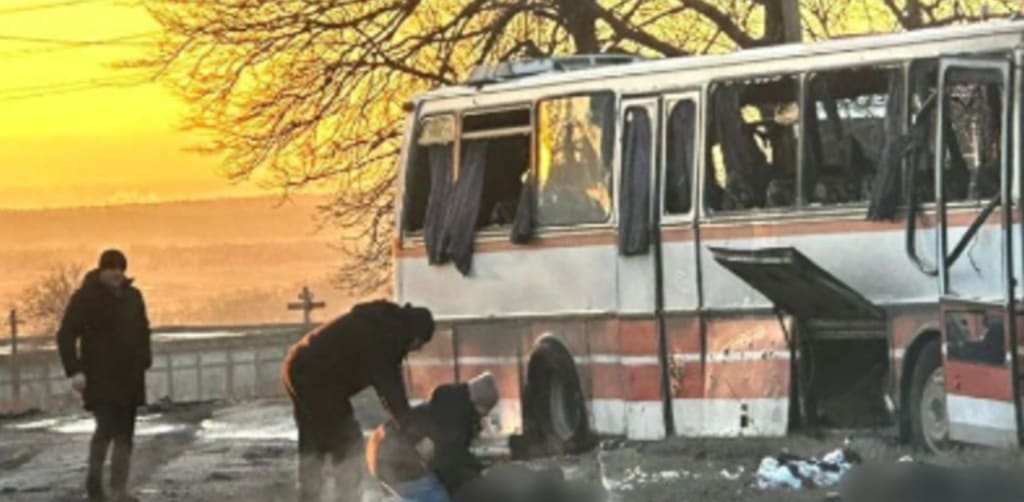
Several people were reportedly wounded following an attack on a bus carrying mineworkers in the southeastern Ukrainian city of Dnipro, drawing renewed attention to the dangers faced by civilian workers in areas affected by ongoing regional tensions and conflict. The incident has raised concerns about worker safety, infrastructure vulnerability, and the broader humanitarian impact of violence in industrial regions.
While full details continue to emerge, early reports suggest the bus was transporting workers connected to mining operations — an industry that remains vital to the regional and national economy.
What Is Known About the Incident
According to early information, the bus was carrying mineworkers during routine transport when the attack occurred. Emergency services reportedly responded quickly, providing medical assistance to those injured and securing the area.
Authorities typically prioritize:
Immediate medical treatment for victims
Securing the attack site
Launching investigations into responsibility
Ensuring safety of nearby infrastructure
Exact casualty figures and the full circumstances surrounding the attack often take time to confirm in complex security environments.
Why Mining Regions Are Strategically Important
Mining remains one of the key economic sectors in parts of southeastern Ukraine. The region contains valuable natural resources that support both domestic industry and export markets.
Mining industries typically support:
Local employment
Energy supply chains
Manufacturing and industrial production
Regional economic stability
Because of this, transport routes for mineworkers and materials can become particularly sensitive in conflict-affected areas.
The Risks Faced by Civilian Workers in Conflict Zones
Incidents like this highlight the reality that civilian workers often face risks in areas where security situations are unstable. Workers in industries such as mining, energy, and transport often must continue operations even during periods of regional tension.
Common risks can include:
Infrastructure attacks
Transport route dangers
Disruptions to supply chains
Psychological stress and safety concerns
International humanitarian law emphasizes the protection of civilians and non-military workers during conflicts, but enforcement can be challenging in active or unstable regions.
Impact on Local Communities
Mining communities often depend heavily on industrial employment. When attacks occur, the effects can ripple through entire towns and cities.
Possible impacts include:
Fear and uncertainty among workers and families
Temporary shutdown of operations
Economic disruption for local businesses
Increased security measures affecting daily life
Community leaders often call for additional security support following such incidents.
Emergency Response and Medical Support
Emergency response teams in conflict-affected regions often operate under challenging conditions. Quick medical response can significantly reduce long-term injuries and fatalities.
Emergency teams often focus on:
Rapid evacuation of wounded individuals
Coordination with hospitals
Communication with authorities and families
Stabilization of affected areas
Local hospitals and medical facilities may face additional pressure during such events.
The Broader Security Context
Dnipro is a major industrial and logistical hub. Its location makes it strategically important for transportation, manufacturing, and regional coordination.
Security incidents in such cities can have wider effects, including:
Disruption of industrial production
Impact on supply chains
Increased regional security measures
International attention and concern
Analysts often watch such incidents closely for signals about broader regional stability.
The Human Cost of Industrial Conflict Zones
Beyond economic and strategic considerations, incidents involving civilian workers highlight the human cost of conflict. Workers traveling to earn livelihoods can become victims of violence, despite not being directly involved in political or military activities.
Humanitarian organizations often emphasize:
Protection of civilian workers
Safe transport corridors
Emergency preparedness
Mental health support after traumatic events
Global Reactions and Monitoring
International organizations often monitor incidents involving civilian casualties. Such incidents can influence diplomatic discussions, humanitarian aid priorities, and global awareness of conflict-related risks.
Global attention often focuses on:
Protection of civilians
Investigation transparency
Infrastructure security
Long-term recovery support
Economic Consequences
Disruptions to mining operations can have broader economic effects. Mining sectors often connect to global supply chains, meaning regional disruptions can impact international markets.
Economic concerns following such incidents may include:
Production delays
Export disruption
Worker shortages due to safety fears
Increased security costs for companies
What Happens Next
Following incidents like this, authorities often conduct investigations while increasing local security presence. Companies may also review transport routes and safety procedures for workers.
Possible next steps may include:
Increased security escorts for worker transport
Enhanced surveillance of key industrial routes
Policy discussions about worker protection measures
Support programs for affected families
Conclusion
The attack on a bus carrying mineworkers in Dnipro, which left several people wounded, serves as a stark reminder of the risks faced by civilians working in conflict-affected regions. Beyond the immediate injuries and trauma, such incidents can affect entire communities, economic sectors, and regional stability.
As investigations continue, the focus will likely remain on ensuring worker safety, maintaining industrial operations, and protecting civilian infrastructure. The incident also reinforces the broader global conversation about protecting civilians and workers in regions affected by violence and instability.
For many observers, the event underscores the urgent need for stronger protections and security measures to ensure that workers can carry out their jobs without fear of becoming victims of conflict-related violence.
About the Creator
Keep reading
More stories from Aarif Lashari and writers in Journal and other communities.
NatWest Branch in Kirkby Lonsdale to Close in 2026
The announcement that the NatWest branch in Kirkby Lonsdale will close in 2026 has prompted concern among local residents, businesses, and community leaders. The decision is part of a wider trend of high street bank closures across the UK, driven by changing customer habits and the growing shift toward digital banking.
By Aarif Lasharia day ago in Journal


Comments
There are no comments for this story
Be the first to respond and start the conversation.