
Sethan: Manali’s Offbeat Gem Losing Its Charm to Uncontrolled Tourism
Uncontrolled tourism
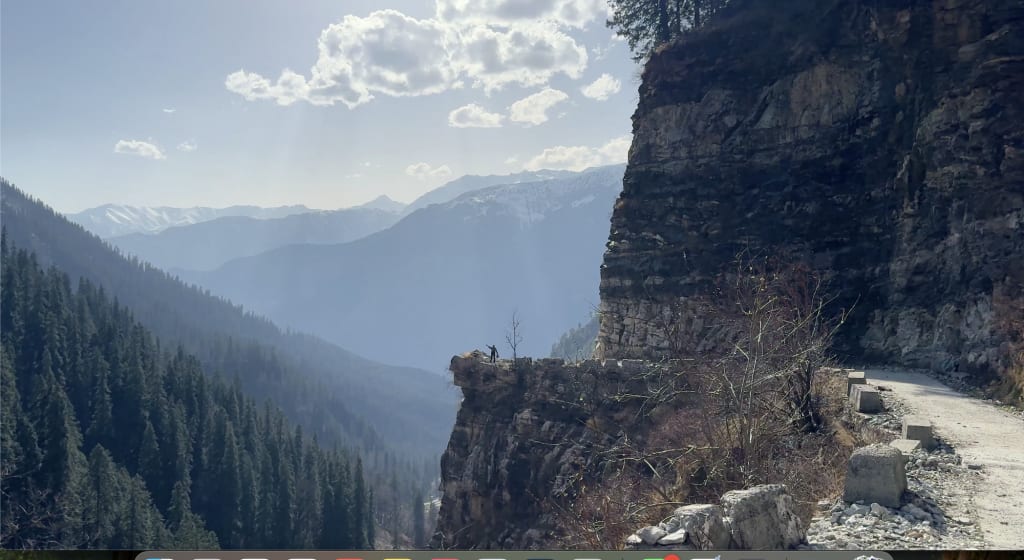
Nestled at an altitude of 2,800 meters, Sethan (also known as Sethan Village) was once a serene, untouched hamlet near Manali, known for its apple orchards, traditional Himachali houses, and breathtaking views of the Dhauladhar range. A favorite among trekkers, backpackers, and snow lovers, Sethan offered a peaceful escape from the chaos of Manali. However, in recent years, this hidden paradise is rapidly transforming—thanks to unchecked construction, mushrooming homestays, and overtourism.
The Rise of Sethan as an Offbeat Destination
A decade ago, Sethan was a quiet village with only a handful of homestays run by locals. It was famous for:
Snow trekking to Indrahar Pass and Lamadugh.
Hidimba Parvat, a sacred mountain with mythological significance.
Stargazing with unobstructed views of the Milky Way.
Traditional Himachali culture, where visitors could experience authentic rural life.
Backpackers and adventure seekers loved Sethan for its raw, unexplored vibe. But as word spread, the village saw a tourist boom—and with it came unregulated development.
The Dark Side of Sethan’s Popularity
1. Uncontrolled Construction of Hotels & Homestays
With increasing demand, new hotels, homestays, and campsites have sprung up at an alarming rate. Many of these are built without proper permits, disturbing the village’s fragile ecosystem. Concrete structures are replacing traditional wooden houses, ruining Sethan’s rustic charm.
2. Traffic Chaos & Pollution
Once accessible only by rough roads, Sethan now sees constant traffic of taxis and tourists. During peak seasons, the narrow roads get jammed, and the peaceful silence is replaced by honking and loud music. Plastic waste and littering have also become major concerns.
3. Commercialization of Local Culture
The authentic Himachali experience is fading as more businesses cater to tourists. Instead of traditional hospitality, many homestays now operate like budget hotels, losing the personal touch that made Sethan special.
4. Environmental Damage
Deforestation for new constructions.
Water scarcity due to excessive tourist demand.
Soil erosion from reckless trekking and off-road biking.
Can Sethan Be Saved?
While tourism brings economic benefits, unchecked growth is destroying what made Sethan unique. Some steps that could help:
✔ Strict regulations on new constructions.
✔ Waste management systems to prevent pollution.
✔ Promoting eco-tourism over mass tourism.
✔ Encouraging responsible travel among visitors.
The Instagram Effect: From Hidden Gem to Hyped Destination
As influencers and travel bloggers "discovered" Sethan, a flood of tourists followed. Soon:
Homestay owners demolished traditional houses to build concrete guesthouses with "Instagrammable views."
Dirt bikes and SUVs began tearing through fragile meadows, leaving deep scars on the landscape.
Snowfall season, once peaceful, now sees crowds trampling pristine slopes for selfies.
Locals who once welcomed travelers now complain: "Earlier, people came to experience our way of life. Now, they just want cheap rooms, loud music, and photos—they don’t even say ‘Namaste’ to us anymore."
The Environmental Toll: A Village on the Brink
The damage isn’t just cultural—it’s ecological:
⚠ Vanishing Water Sources – Unregulated hotels drill illegal borewells, draining natural springs. Some villagers now walk miles for water.
⚠ Wildlife Disturbance – The Himalayan black bear and monal pheasant, once common, are retreating deeper into forests.
⚠ Garbage Invasion – With no waste management, plastic piles up in hidden corners, carried by wind into rivers.
Is There Still Hope for Sethan?
Some are fighting back:
A few homestays refuse to expand, preserving the old-world charm.
Eco-conscious trekkers organize clean-up drives.
Activists push for stricter laws on construction and waste.
But without urgent action, Sethan risks becoming just another casualty of reckless tourism—a cautionary tale of how paradise was lost to greed and indifference.
What You Can Do as a Traveler
Stay in eco-friendly homestays, not concrete hotels.
Carry back all trash—there’s no proper disposal system.
Respect local culture—learn a few Himachali phrases, help with farm work.
Avoid peak seasons to reduce pressure on resources.
Sethan doesn’t need more tourists—it needs responsible travelers. Will you be part of the problem or the solution?
The Bottom Line
Sethan is at a crossroads—it can either become another overdeveloped tourist hub like Old Manali or preserve its identity with sustainable tourism. If nothing changes, this once-pristine village may lose its magic forever.
About the Creator
Footloose
I am a travel content write and an Indian travel blogger.
The goals I did not achieve
Every writing goal I made for the year is a wash. It has been this way for a while, but I think it's important to be open about my failures and the reality of how life can get in the way. This is especially true considering the several times I have posted on Vocal about my writing goals, how I was changing my approach, and where I was hoping to be for the upcoming year. I will probably do that again in a couple months, but for now, it is time to acknowledge where I am today.
By Kay Husnick23 days ago in Journal
Professional Expectations for Safeguarding PHI
Introduction Protecting patient information is essential. PHI includes sensitive health data. Trust depends on confidentiality. Privacy supports ethical healthcare delivery. Regulations require strict safeguards. Compliance is a professional obligation. Breaches cause serious harm. Financial penalties may follow. Reputational damage can occur. Patients expect protection. Professionals must remain vigilant. Every interaction carries responsibility. Digital records increase exposure risk. Paper records still matter. Strong safeguards reduce vulnerability. Consistent practices protect patients. PHI protection reflects professionalism. Accountability is not optional. Privacy failures damage credibility. Safeguarding PHI supports long-term organizational stability.
By Abdul Mueed2 days ago in Journal




Comments
There are no comments for this story
Be the first to respond and start the conversation.