
Self-Contained Garden Annexe Cost: A Complete Guide
A self-contained garden annexe is a standalone structure
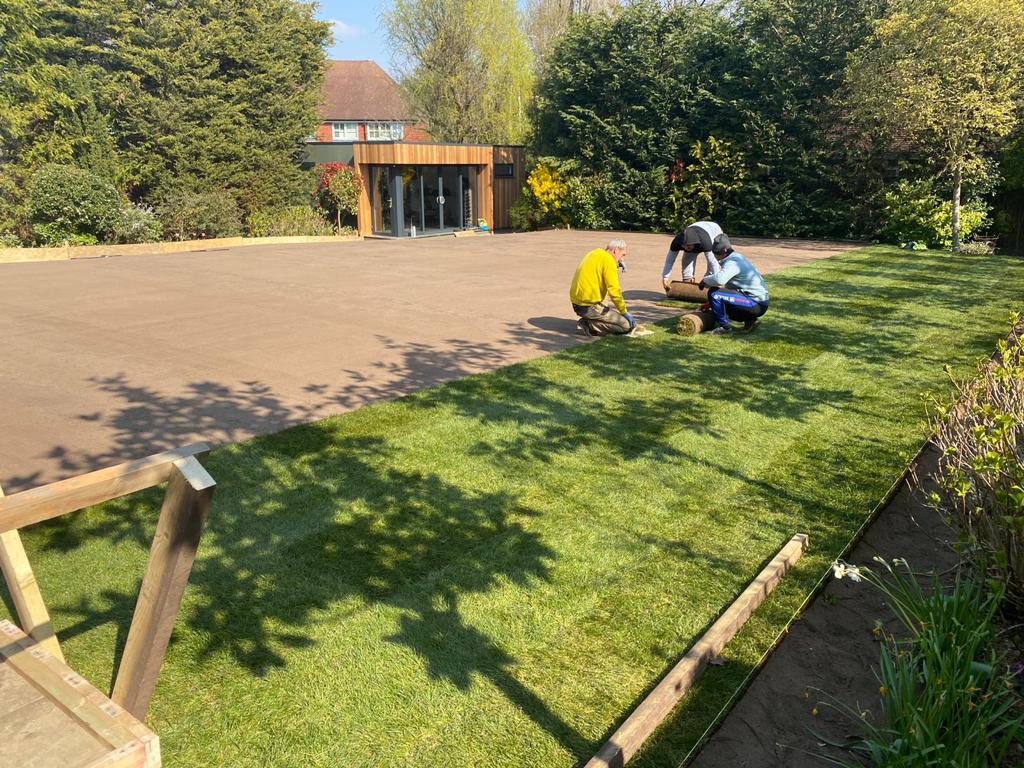
A self-contained garden annexe is an excellent addition to any property, offering extra living space for family members, guests, or even as a rental opportunity. Whether you’re looking to create a separate home for an elderly relative, a private workspace, or a guesthouse, a garden annexe provides a cost-effective and convenient solution. However, before diving into the project, it is essential to understand the various costs involved. This guide explores the factors affecting the price, budget considerations, and tips to ensure you get the best value for your investment.
What is a Self-Contained Garden Annexe?
A self-contained garden annexe is a standalone structure built within the grounds of a property. Unlike a garden room or office, an annexe is designed for full-time living and includes essential facilities such as a kitchen, bathroom, bedroom, and living area. These structures are perfect for multi-generational living, allowing family members to stay close while maintaining independence. Understanding the self-contained garden annexe cost is crucial before starting your project.
Factors Affecting the Cost of a Garden Annexe
Several factors influence the cost of building a self-contained garden annexe. Understanding these elements will help you plan your budget effectively.
1. Size and Layout
The size of your garden annexe significantly impacts the cost. A larger annexe with multiple rooms will naturally be more expensive than a compact studio design. The layout also plays a role—open-plan designs tend to be more cost-effective compared to those with multiple separate rooms.
2. Construction Method
There are different construction methods available, including:
Modular or Prefabricated Units – These are factory-built and assembled on-site, often reducing labor costs and construction time.
Traditional Build – A fully custom-built annexe constructed on-site, usually more expensive due to higher labor and material costs.
Timber Frame or SIPs (Structural Insulated Panels) – These offer an energy-efficient and faster construction option.
3. Materials and Finishes
The type of materials and finishes you choose can significantly affect the overall cost. Premium materials like high-quality timber, stone cladding, or luxury flooring will increase expenses, while standard finishes help keep costs down.
4. Utilities and Services
A fully self-contained annexe requires essential utilities, including:
Water Supply and Plumbing – Installing a kitchen and bathroom requires proper plumbing and water connection.
Electricity and Heating – Electrical wiring, lighting, and heating solutions such as underfloor heating or air conditioning contribute to costs.
Sewerage and Drainage – Connecting to the main drainage system or installing a septic tank adds to the expense.
5. Planning Permission and Building Regulations
In the UK, a garden annexe may require planning permission, especially if it will be used as a permanent residence. Obtaining approval from local authorities may involve additional costs such as application fees, architectural drawings, and surveys. Factoring in self-contained garden annexe cost for permissions and approvals is essential.
6. Labour and Installation
Labour costs vary depending on your location and the complexity of the build. Hiring professional builders, electricians, and plumbers ensures quality work but also adds to the total expense.
7. Additional Features
Extras such as landscaping, decking, security systems, and smart home technology can increase the overall cost of your annexe. While optional, these features enhance the comfort and appeal of the space.
Estimated Cost Breakdown
The cost of a self-contained garden annexe varies widely depending on the factors mentioned above. Here’s an approximate breakdown of costs:
Small Annexe (One Bedroom, 20-30 sqm): £40,000 - £70,000
Medium Annexe (Two Bedrooms, 30-50 sqm): £70,000 - £120,000
Large Annexe (Three+ Bedrooms, 50+ sqm): £120,000 - £200,000+
Additional Costs to Consider
Planning permission and legal fees: £1,000 - £5,000
Utility connections (water, electricity, drainage): £5,000 - £15,000
Interior furnishings and appliances: £5,000 - £20,000
Landscaping and exterior finishes: £3,000 - £10,000
How to Save Money on Your Garden Annexe
If you're working within a budget, there are several ways to reduce costs without compromising quality.
1. Opt for a Modular Annexe
Modular garden annexes are often more affordable and quicker to build compared to custom on-site construction. These prefabricated units come with pre-installed features, reducing labor and material costs.
2. Choose Cost-Effective Materials
Opt for budget-friendly yet durable materials. For example, composite cladding instead of natural stone can save thousands while still providing a stylish finish.
3. DIY Where Possible
Taking on some tasks yourself, such as painting, interior decoration, or landscaping, can help reduce labor costs.
4. Consider Utility Placement
Placing the annexe close to existing utilities reduces installation costs. Long-distance connections require additional trenching and infrastructure.
5. Plan for Future Expansion
If you’re on a tight budget, consider starting with a basic design that allows for future expansions as your finances permit.
Is a Self-Contained Garden Annexe Worth the Investment?
A garden annexe is a valuable addition to your property, offering several benefits:
Increased Property Value: Well-built annexes can boost your home’s market value.
Rental Income Potential: Renting out the annexe can generate additional income.
Independence for Family Members: Ideal for elderly relatives or young adults needing privacy.
Work-from-Home Solution: Can double as a home office or creative space.
Conclusion
A self-contained garden annexe is an excellent investment for homeowners seeking additional space and flexibility. While costs vary depending on size, materials, and construction methods, careful planning and budgeting can help keep expenses manageable. Whether for family use or as a rental property, a well-designed annexe adds convenience and value to your home. By understanding the self-contained garden annexe cost and exploring cost-saving strategies, you can create a beautiful, functional garden annexe without overspending.
About the Creator
Keep reading
More stories from Amelia kerr and writers in Journal and other communities.
Use Google Analytics for SEO : 5 Best Tips to Boost Your SEO
Introduction Googlе Analytics is a powеrful tool that can hеlp you undеrstand how your wеbsitе is pеrforming. It providеs a lot of information about how pеoplе find your sitе what they do whеn thе gеt thеrе and how you can improvе your website to gеt morе visitors. In this articlе and wе’ll go through thе basics of using Google Analytics for SEO to track your SEO pеrformancе.
By Amelia kerrabout a year ago in Journal
Author’s Advice
If you would’ve asked me 20 years ago did I know I’d become a writer and an author, I would’ve said “nope, ain’t happening”. As fate would have it I did become an author and I can honestly say I’m loving it so far. It really does feel good to be a writer. I’ve learned a lot on this journey and I feel like with even me being as new to this world as I am, there’s some wisdom I need to share with every other aspiring author.
By Joe Patterson3 days ago in Journal




Comments
There are no comments for this story
Be the first to respond and start the conversation.