
Scoubidous: The Colorful Art of Knotting Your Way to Fun
Celebrating Scoubidous Doodle

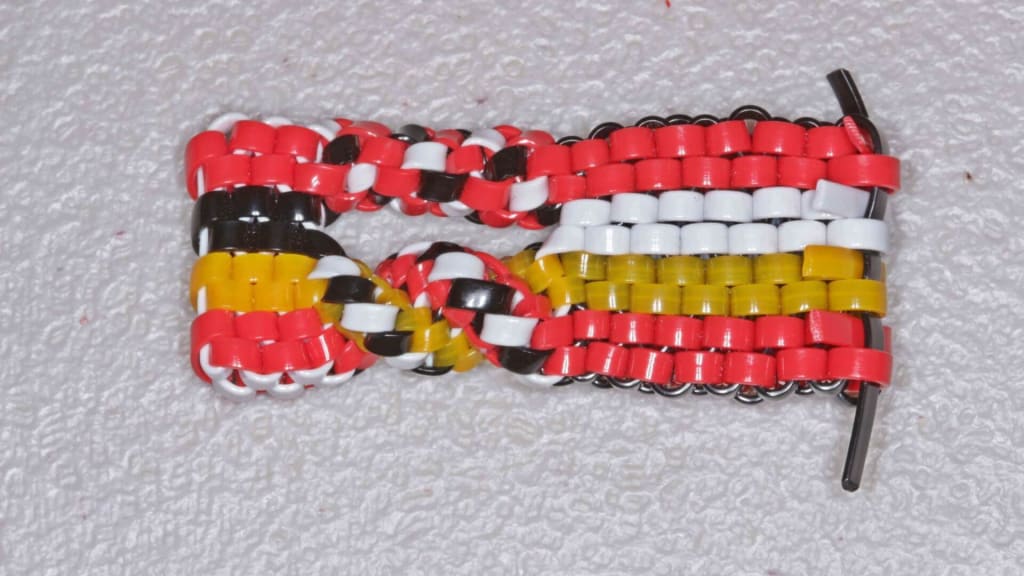
Scoubidous—also known as gimp, boondoggle, lanyard, or plastic lace craft—are playful, colorful knots you weave from plastic cords. If you grew up making keychains or friendship bracelets, you've likely touched one. But scoubidous aren't just nostalgic—they're creative, therapeutic, and educational. Read on for an engaging deep dive into this crafty art!
1. Introduction
Scoubidous are more than just plastic strings—they’re a gateway to creativity, stress release, and making something with your hands that’s colorful and fun.
They’re small but meaningful. Just a few minutes at the craft table yields a bright keychain you can hang on a backpack or gift to a friend.
Simple to learn, yet full of possibilities. That’s the magic of scoubidous.
2. A Brief History of Scoubidous
The story begins in the 1950s. French inventor Marie‑France Berthier introduced Scoubidou, using a term derived from an English folk song, “Scoubidou‑wita‑war‑bam‑ba.” These colorful plastic laces became wildly popular in the 1960s.
By the 1970s, scoubidou spread across Europe and the U.S. Kids made keychains, bracelets, and zipper charms. In the ’90s and 2000s, scoubidou resurged in popularity in schools and camps due to their simplicity and low cost.
3. Why Scoubidous Are Still Popular
Scoubidous stand the test of time because they:
- Encourage creativity: endless color combos, patterns, and shapes
- Boost fine‑motor skills: knotting is great for dexterity
- Are easy and low‑cost: basic materials cost just a few cents
- Promote mindfulness: rhythmic knotting helps focus
- Are social: kids pass cords around and exchange creations
From elementary students to crafty adults, everyone finds value in scoubidous.
4. Materials You Need to Get Started
Getting started is easy. Here’s what you’ll need:
- Scoubidou cord (aka plastic lace, lanyard string) – smooth or textured, 2–5 mm wide
- Scissors – to cut your cords
- Optional: keyrings, beads, charms
You can buy cords in packs online or at craft stores. They come in single colors or multicolor packs—great for pattern play!
5. Basic Knots: Square (Box) & Spiral
- Square Knot (Box Knot)
This versatile, flat knot creates a box‑like braid. It’s ideal for keychains, bag tags, and zipper pulls.
- Spiral Knot (Round or Barrel)
This knot spirals around itself, forming a rounded braid. It’s perfect for lanyards or bracelet-style charm holders.
6. Step‑by‑Step: How to Make a Square Knot
Materials: 2 strands, different colors, each ~60 cm (24 in)
- Fold both strands in half to find the midpoint.
- Clip midpoint to a stable surface or pin in place.
- Arrange two colors going left and right.
- Take the left cord (Color A), cross over the center so it becomes the right cord.
- Take the right cord (Color B), cross over the center so it becomes the left cord.
- Repeat steps 4–5, tightening after each cross.
- Keep alternating until you reach your desired length.
- Tie a tight overhand knot at the end. Trim excess.
Voilà, you made a square‑knot scoubidou!
7. Step‑by‑Step: How to Make a Spiral Knot
Materials: Same as square knot
- Fold cords in half and secure the midpoint.
- Lay Color A on top of Color B.
- Take the left upper cord (Color A), pass it clockwise around both strands, and tighten.
- The knot will naturally spiral. Continue wrapping until desired length.
- Finish with an overhand knot and trim.
You get a beautiful spiral braid—great for bracelets or lanyards.
8. Advanced Techniques and Designs
Ready to go beyond basics? Try these:
- Multi‑cord braids: use 3, 4, or more cords to create wide bands
- Double square knot: two adjacent square knots with four cords
- Cage design: wrap narrow cords around a wider core to make a beaded look
- Animal shapes: weave cords into bows, hearts, flowers, and more
- Color patterns: stripes, chevrons, random speckles—experiment!
You can find tutorials online, but these are fun to tweak yourself.
9. Benefits of Crafting Scoubidous
Scoubidou crafting offers:
- Fine‑motor skill development: great for kids
- Cognitive focus & concentration
- Mindfulness & relaxation: repetitive motion soothes
- Creativity boost: color mix, shapes, styles
- Low‑cost, portable fun: easy to travel with
- Social interaction: kids gather, trade, share patterns
- Giftability: homemade gifts are meaningful
10. Great Examples and Gift Ideas
Personalized Keychains
Pick your friend’s favorite colors and attach a charm. Add their initials with alphabet beads.
Backpack Charms
Make embroidery‑style designs (bow, star, flower). Clip them on zippers.
Friendship Bracelets
Use spiral knots in colors matched to your friend.
Holiday Decorations
Red/green scoubidou can become miniature Christmas trees or candy canes.
School Fundraisers
DIY kits that teach cords and safety. Sell completed crafts for charity.
11. Scoubidou for Kids: Educational Benefits
Kids love scoubidous—and they learn too!
- Counting & math: measure cords, count knots
- Patterns & sequencing: planning designs
- Hand‑eye coordination: manipulating small parts
- Instruction following: sequential thinking
- Self‑esteem: finish a project, feel proud
Pair scoubidous with a graphing notebook and have kids plan patterns on paper before weaving!
12. Scoubidou for Adults: Stress Relief & Mindfulness
For grown-ups, it’s a quiet, analog break.
- Repetitive motion helps lower stress
- Color focus uplifts mood
- Craft completion gives a sense of reward
- Conversation starter: make a scoubidous with a friend or child
Use them as fidget crafts too—stash a half‑finished piece in your bag.
13. Customizing Your Scoubidou Creations
Here’s how to take things up a notch:
- Mix textures: combine smooth and suede cords
- Add beads or charms: slide them onto cords as you knot
- Use layers: double the width for durability
- Try reflective cords: great for safety zipper pulls
- Glow‑in‑the‑dark or metallic cords: for nighttime or festive flair
Combine patterns and colors to match events (e.g. school spirit, holiday themes).
14. Common Mistakes & Fixes
- Loose knots: tighten after each cross
- Cords twisting: pinch cords flat as you knot
- Uneven tension: pull each strand equally
- Wrong length: estimate 60 cm makes about 10 cm finished—adjust accordingly
- Fraying ends: carefully trim; tuck or melt ends with a lighter (adult supervision)
15. Frequently Asked Questions (FAQ)
Q1: What are scoubidou cords made of?
They’re typically made of soft polypropylene or polyethylene, sometimes suede, textured, or with glitter. Smooth is easiest for beginners.
Q2: What length of cord should I cut?
Use around 60 cm (24 in) per color for a 10 cm keychain. Adjust depending on project size.
Q3: Can I use yarn or string instead?
Yes, but rougher materials make it harder to tighten knots. Plastic cord glides best.
Q4: How long do scoubidous last?
They last years—plastic resists fraying. However, stretchy or textured cords may show wear with heavy use.
Q5: Are scoubidous safe for kids?
Generally, yes, but supervise little ones under 7—cords could be a choking hazard or risk of strangulation. Watch out for melting ends.
16. Conclusion: Start Your Scoubidou Adventure!
Scoubidous are an easy, fun craft anyone can pick up. They’re low-cost, portable, and endlessly customizable. You can DIY keychains, bracelets, bag charms, or craft for gifts and fundraising.
Whether you’re 7 or 70, scoubidous offer mindful focus, playful creativity, and an instant sense of accomplishment. Gather some cords, choose your colors, and start stitching!
About the Creator
Muhammad Rizwan Aslam
Top Digital Marketing Services – SEO, SMO, SEM, SMM, GP & ORM
With 4+ years of experience, we offer expert solutions to grow your online presence.
For advertising inquiries or corrections, contact us:
📞 0325 4077940
Keep reading
More stories from Muhammad Rizwan Aslam and writers in Journal and other communities.
DGMNews.com: Trusted Source for Daily Global Media News
Introduction In today’s fast-moving world, staying informed is more important than ever. With so many news websites filled with clickbait, ads, or biased reporting, it’s hard to find a platform you can trust. That’s where DGMNews.com comes in.
By Muhammad Rizwan Aslam7 months ago in Journal
The goals I did not achieve
Every writing goal I made for the year is a wash. It has been this way for a while, but I think it's important to be open about my failures and the reality of how life can get in the way. This is especially true considering the several times I have posted on Vocal about my writing goals, how I was changing my approach, and where I was hoping to be for the upcoming year. I will probably do that again in a couple months, but for now, it is time to acknowledge where I am today.
By Kay Husnick24 days ago in Journal
Inside Ratul Puri’s Vision: The Strategy Powering Hindustan Power’s Clean Energy Surge
India’s clean energy transition is entering a decisive phase, marked by large-scale investments, advanced technology adoption, and visionary leadership. At the center of this transformation stands Ratul Puri, Chairman of Hindustan Power, whose strategic direction is reshaping how renewable energy is developed, stored, and delivered across the country. Under his leadership, Hindustan Power has emerged as a significant force in solar and energy storage, aligning business growth with India’s long-term sustainability goals.
By Chinmaya Singh7 days ago in Journal



Comments
There are no comments for this story
Be the first to respond and start the conversation.