
Scientists evaluate a tool that identifies tumors with more than 97% accuracy
The system was validated on 5,000 samples and distinguishes at least 170 types of cancer, according to a study. The authors clarified that they are still investigating its operation and application

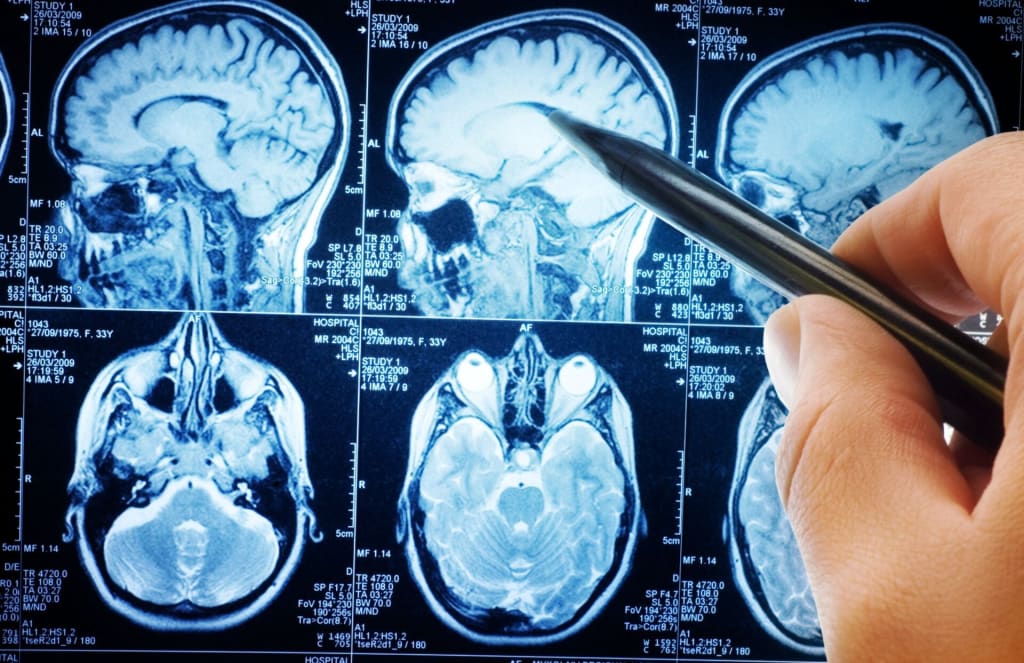
An international team led by experts from Charité–Universitätsmedizin Berlin developed an artificial intelligence model to classify more than 170 tumor types with an accuracy rate exceeding 97%.
The breakthrough, published in the journal Nature Cancer, aims to transform cancer diagnosis by enabling accurate analysis even with fragmentary data and without the need for invasive biopsies.
“The model is not only accurate but also interpretable, giving specialists a clear understanding of how predictions are made, which is critical in the clinical setting,” explained Dr. Philipp Euskirchen, co-senior author of the study.
Diagnosis based on DNA methylation
According to the authors, the technique is based on the analysis of DNA methylation patterns, an epigenetic process that regulates gene activity and whose alteration is characteristic of tumor cells. This “epigenetic fingerprint” allows for precise differentiation of cancer subtypes, even those with similar histological features.

“Hundreds of thousands of epigenetic modifications act as on/off switches for individual sections of genes. Their patterns form a unique and unmistakable fingerprint,” said Euskirchen, a researcher at the Berlin headquarters of the German Cancer Consortium and the Charité Institute of Neuropathology.
This model was designed to work with data obtained through various technological platforms, such as microarrays or nanopore sequencing.
“Our goal was to develop a model that would accurately classify tumors, even if they were based only on parts of the entire tumor epigenome or if profiles were collected using different techniques and with varying degrees of accuracy,” said bioinformatician Sören Lukassen, head of the Medical Omics group at the Berlin Institute of Health at Charité.

Accuracy in more than 5,000 clinical cases
The model was validated with more than 5,000 tumor samples, achieving an accuracy of 99.1% in brain tumors and 97.8% in general cancers. Furthermore, it maintained high performance even when incomplete or low-resolution genomic data were used.
“Our model enables highly accurate diagnosis of brain tumors in 99.1% of cases and is more accurate than existing AI solutions to date,” Euskirchen stated.
One of the most significant contributions of this model is its application in scenarios where performing a biopsy is risky. In these cases, cerebrospinal fluid analysis may be sufficient to generate a reliable diagnosis, eliminating the need for surgical intervention, according to these specialists.
“We examined the cerebrospinal fluid using nanopore sequencing, a novel, very rapid, and efficient form of genetic analysis. The classification performed by our models revealed a central nervous system lymphoma, which allowed us to quickly initiate appropriate chemotherapy,” Euskirchen recounted a recent clinical case.
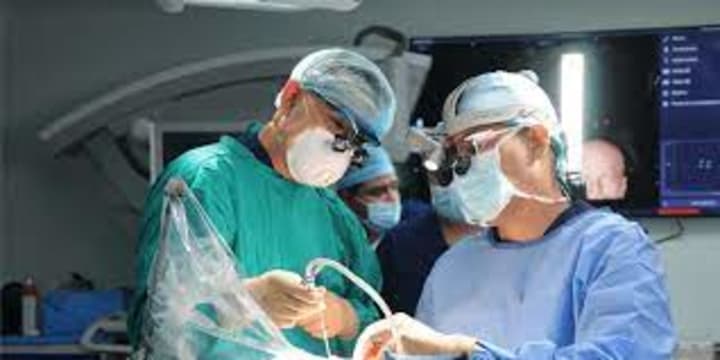
Furthermore, the model can make predictions in a matter of seconds, making it particularly useful in contexts where rapid responses are required.
The model could not only improve diagnostic accuracy but also advance the identification of genes associated with specific tumor subtypes, potentially leading to new biomarkers and individualized therapeutic strategies.
“We detected how methylation in specific genes, such as MUM1, is associated with rare tumor subtypes, which will help us better understand their biological mechanisms,” Euskirchen added.
While the results are promising, the authors caution that some rare tumor types are underrepresented in the datasets, limiting the current scope of the model in certain cases. They also encountered difficulties in differentiating between similar subtypes, such as papillary and clear cell renal cell carcinomas.

In collaboration with the German Cancer Consortium (DKTK), clinical trials are being planned at eight cancer centers in Germany. One goal is to evaluate the use of this tool during surgery and in routine clinical practice.
“Although the architecture of our AI model is much simpler than previous approaches and therefore still explainable, it offers more accurate predictions and, consequently, greater diagnostic certainty,” Lukassen concluded.
About the Creator
Omar Rastelli
I'm Argentine, from the northern province of Buenos Aires. I love books, computers, travel, and the friendship of the peoples of the world. I reside in "The Land of Enchantment" New Mexico, USA...
Keep reading
More stories from Omar Rastelli and writers in Journal and other communities.
Cybersecurity for everyone: protecting your personal data in the age of data breaches
Data breaches have become a topic of growing concern for both users and organizations. These incidents pose an immediate threat to privacy and can have long-term repercussions that affect the personal and professional lives of those involved.
By Omar Rastelli7 months ago in Journal
The goals I did not achieve
Every writing goal I made for the year is a wash. It has been this way for a while, but I think it's important to be open about my failures and the reality of how life can get in the way. This is especially true considering the several times I have posted on Vocal about my writing goals, how I was changing my approach, and where I was hoping to be for the upcoming year. I will probably do that again in a couple months, but for now, it is time to acknowledge where I am today.
By Kay Husnick18 days ago in Journal
His & Hers Review: Ending Explained and Deeper Meaning
His & Hers is Netflix’s first major release of the year, and it wastes no time making an impression. Starring John Bernthal and Tessa Thompson, the series follows a former couple pulled back into each other’s orbit after a string of murders shakes their hometown of Delana. Their marriage previously collapsed following the devastating loss of their daughter, and the case forces them to confront not only their shared grief, but a buried secret tied to a Sweet 16 party that took place deep in the woods twenty years earlier.
By Info Post Gate4 days ago in Journal


Comments
There are no comments for this story
Be the first to respond and start the conversation.