
Saudi Economy Expands 4.9% in Fourth Quarter as Oil Sector Boosts Growth
Energy output rebounds while non-oil sectors continue supporting economic diversification
Introduction
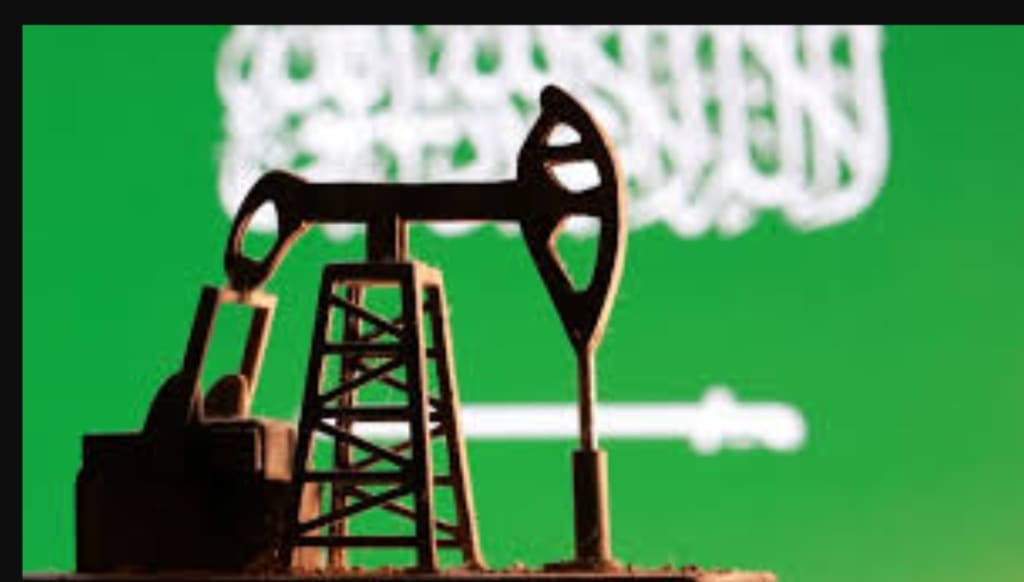
Saudi Arabia’s economy recorded 4.9% growth in the fourth quarter, signaling renewed momentum as the oil sector played a central role in driving expansion. The rebound highlights the kingdom’s continued reliance on energy revenues while also reflecting steady progress in non-oil industries under its long-term economic reform agenda.
The quarterly growth figure comes at a time when global markets are closely watching oil-producing economies, as energy prices, production decisions, and geopolitical dynamics continue to shape economic performance. For Saudi Arabia, the latest data underscores the importance of oil in stabilizing growth even as diversification remains a strategic priority.
Oil Sector Leads the Recovery
The primary driver behind the fourth-quarter expansion was the oil sector, which benefited from improved production levels and favorable market conditions. Energy output has long been the backbone of Saudi Arabia’s economy, and its resurgence had an immediate impact on overall GDP growth.
Higher oil activity supported government revenues, strengthened fiscal balances, and provided room for public investment. This performance demonstrates how fluctuations in energy markets can directly influence economic outcomes for major oil exporters.
While oil remains cyclical, its contribution in the fourth quarter helped offset slower growth in some other areas of the economy.
Non-Oil Economy Shows Steady Progress
Alongside oil, non-oil sectors continued to post positive growth, reinforcing Saudi Arabia’s broader economic transformation efforts. Industries such as construction, tourism, logistics, manufacturing, and financial services have gained traction in recent years, supported by large-scale infrastructure projects and regulatory reforms.
Government-backed initiatives under Vision 2030 have aimed to reduce dependence on oil revenues by encouraging private-sector investment and job creation. The steady expansion of non-oil activities in the fourth quarter suggests that these reforms are beginning to yield tangible results.
Although oil was the main growth engine this quarter, the non-oil economy provided stability and balance to overall performance.
Public Spending and Investment Support Growth
Public spending played a significant role in sustaining economic activity. Infrastructure development, housing projects, and industrial investments helped stimulate domestic demand and supported employment levels.
Major projects in transportation, energy transition, and urban development continued to attract both domestic and foreign investment. These initiatives not only boost short-term growth but also lay the foundation for long-term economic resilience.
By maintaining investment momentum, Saudi Arabia has been able to smooth economic cycles linked to oil price volatility.
Labor Market and Consumer Activity
Economic expansion in the fourth quarter also had positive implications for the labor market. Job creation across construction, services, and tourism supported consumer confidence and household spending.
Rising employment and improved wage prospects have helped strengthen domestic consumption, which is increasingly important as the economy diversifies. Consumer-driven growth adds a layer of sustainability that reduces reliance on external demand and energy exports alone.
Global Context and Energy Markets
Saudi Arabia’s growth performance must be viewed within the broader global context. Energy markets have experienced periods of volatility due to shifting demand, production strategies, and geopolitical developments.
As a key player in global oil markets, Saudi Arabia’s output decisions influence not only its own economy but also international energy prices. The fourth-quarter growth reflects how strategic management of oil resources can support domestic economic objectives even amid global uncertainty.
Challenges Ahead
Despite the strong quarterly growth, challenges remain. Economic performance is still sensitive to:
Fluctuations in global oil prices
Changes in energy demand as countries pursue clean energy transitions
Global economic slowdowns that could affect trade and investment
Managing these risks will require continued diversification, prudent fiscal policy, and investment in emerging sectors such as renewable energy, technology, and advanced manufacturing.
Outlook for the Saudi Economy
Looking ahead, economists expect Saudi Arabia’s growth to remain supported by a combination of energy sector strength and non-oil expansion. While oil will continue to play a dominant role, the long-term trajectory depends on how effectively diversification efforts translate into sustainable private-sector growth.
Continued reforms, infrastructure development, and global integration are likely to shape economic performance in the coming quarters. If momentum in non-oil sectors accelerates, Saudi Arabia could reduce its vulnerability to oil market swings over time.
Conclusion
The 4.9% expansion of Saudi Arabia’s economy in the fourth quarter highlights the powerful role of the oil sector in driving growth, while also showcasing steady progress in non-oil industries. The performance reflects a balanced dynamic: oil revenues providing short-term strength, and diversification efforts supporting long-term stability.
As global economic conditions evolve, Saudi Arabia’s challenge will be to maintain growth while continuing its transition toward a more diversified and resilient economic model. The latest figures suggest that while oil remains central, the foundations for broader-based growth are steadily taking shape.
About the Creator
Comparing Franchise Ownership and Independent Schools: What Investors Need to Know
Education is increasingly viewed as a resilient investment, particularly in early learning and childcare. Demand for high-quality schools has remained strong across economic cycles. For investors, this creates an opportunity to combine financial returns with measurable impact.
By Diandra Hake5 days ago in Journal


Comments
There are no comments for this story
Be the first to respond and start the conversation.