
Sainsbury’s Product Recalls 2025: Latest Updates, Safety Alerts, and What You Should Know
Important updates on Sainsbury’s product recalls and easy tips to protect you and your family.

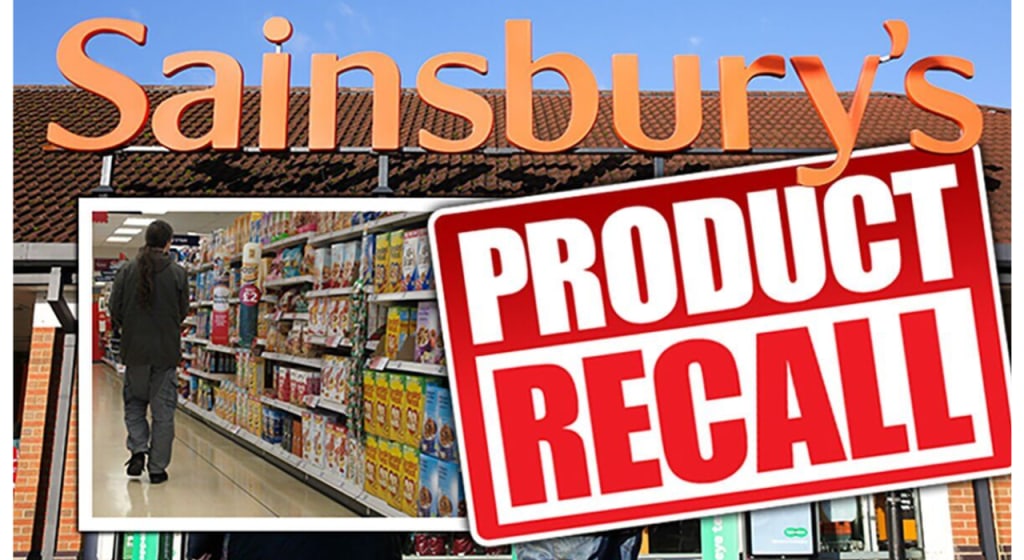
Sainsbury’s is one of the largest supermarket chains in the United Kingdom. Millions of people shop there every day for groceries, household items, and more. Like any large retailer, Sainsbury’s sometimes faces product recalls. This happens when certain products are found to have problems that could affect customer safety or quality.
In this article, we will explain what Sainsbury’s product recalls mean, why they happen, how customers can stay safe, and what steps Sainsbury’s takes to handle these situations. Understanding product recalls can help shoppers protect themselves and their families.
What Are Product Recalls?
A product recall happens when a company asks customers to return or stop using a product. This is usually because the product might be unsafe or does not meet the quality standards. Sometimes food items are recalled because they contain harmful bacteria or allergens that were not listed on the label. Other times, non-food items are recalled due to defects that could cause injury.
Supermarkets like Sainsbury’s work with manufacturers and government agencies to quickly remove these products from shelves. They also inform the public so customers can avoid any risk.
Why Does Sainsbury’s Recall Products?
Sainsbury’s recalls products for many reasons, but safety is always the main concern. Here are some common reasons for recalls:
- Contamination: Food products might be contaminated with bacteria such as salmonella or listeria. These bacteria can cause serious illness, especially in children, elderly people, and those with weak immune systems.
- Incorrect Labels: Sometimes food products have missing or wrong information on the label. This is a serious issue if allergens like nuts, gluten, or dairy are not listed. People with allergies may have dangerous reactions.
- Foreign Objects: Occasionally, products can contain items that do not belong, such as glass, metal pieces, or plastic. These can cause injury if swallowed.
- Packaging Problems: Faulty packaging can cause food to spoil faster or leak. This reduces product safety and quality.
- Quality Issues: Sometimes, a product does not meet the usual quality standards. It may look or taste different, or not work as expected.
Recent Examples of Sainsbury’s Product Recalls
In recent times, Sainsbury’s has recalled various products after issues were discovered. Some of these recalls involved packaged foods, while others were about household items or toys.
For example, a batch of ready-made meals might be recalled due to possible contamination with harmful bacteria. In other cases, a children’s toy sold at Sainsbury’s may be recalled because it breaks easily and could be a choking hazard.
When these recalls happen, Sainsbury’s usually posts information on their website and in their stores. They give clear instructions about what customers should do if they have the recalled product.
How Do Customers Find Out About Recalls?
Sainsbury’s wants to keep its customers safe and informed. When a product recall happens, the company uses several ways to spread the message:
- Official Website: Sainsbury’s updates a list of current product recalls on their website. This list explains which items are affected and why.
- Social Media: The company often shares recall news on platforms like Twitter and Facebook. This helps reach many customers quickly.
- In-Store Notices: Posters or signs may be placed in stores to warn shoppers about the recall.
- Email Alerts: Customers who subscribe to newsletters or alerts may receive direct emails about product recalls.
It is important for customers to check these sources regularly or ask store staff if they are unsure.
What Should You Do If You Have a Recalled Product?
If you find out that a product you bought from Sainsbury’s has been recalled, follow these steps:
- Stop Using the Product: Do not eat or use the item until you are sure it is safe.
- Check the Details: Compare the product details such as batch number, expiry date, and packaging to the information in the recall notice. This will help you confirm if your product is affected.
- Return the Product: Sainsbury’s usually offers a refund or replacement for recalled products. You can return the item to any Sainsbury’s store, even if you do not have the receipt.
- Follow Any Safety Advice: If the recall notice includes specific instructions for safety, such as watching for symptoms of illness, follow them carefully.
How Does Sainsbury’s Prevent Problems?
Sainsbury’s takes several steps to reduce the chances of product recalls happening:
- Quality Checks: The company tests products regularly to make sure they meet safety and quality standards.
- Supplier Audits: Sainsbury’s works closely with suppliers to ensure they follow proper safety procedures during production and packaging.
- Clear Labeling: The supermarket insists that product labels are accurate and easy to understand.
- Customer Feedback: Sainsbury’s listens to customers and responds quickly to any reports of problems.
Even with these measures, sometimes issues can still arise. When they do, acting quickly and responsibly is key.
Why Are Product Recalls Important?
Product recalls protect consumers from harm. Without recalls, people might continue to use unsafe or faulty products, risking illness or injury. Recalls also help maintain trust between customers and supermarkets like Sainsbury’s. When a company admits a problem and acts fast to fix it, customers feel more confident in shopping there.
For Sainsbury’s, recalls are also a chance to improve their quality control and safety measures. Learning from each recall helps the company prevent similar problems in the future.
How Can You Stay Safe While Shopping?
As a customer, you can do a few things to stay safe when shopping at Sainsbury’s or any other store:
- Check Product Dates: Always look at expiry dates before buying food products.
- Read Labels Carefully: Make sure you understand all ingredients, especially if you have allergies or dietary restrictions.
- Keep Updated: Follow Sainsbury’s official channels or sign up for alerts to know about any recalls.
- Report Problems: If you find a product that looks or tastes wrong, or if you experience health issues after using it, tell the store or local food safety authorities.
Conclusion
Product recalls are an important part of keeping shoppers safe. Sainsbury’s works hard to make sure that any recalled products are removed quickly and that customers are informed. By staying aware and following safety advice, shoppers can avoid risks linked to recalled items.
If you ever come across a product recall notice for something you bought at Sainsbury’s, do not ignore it. Take the recommended steps to protect yourself and your family. This way, your shopping experience remains safe and worry-free.
About the Creator
The goals I did not achieve
Every writing goal I made for the year is a wash. It has been this way for a while, but I think it's important to be open about my failures and the reality of how life can get in the way. This is especially true considering the several times I have posted on Vocal about my writing goals, how I was changing my approach, and where I was hoping to be for the upcoming year. I will probably do that again in a couple months, but for now, it is time to acknowledge where I am today.
By Kay Husnick24 days ago in Journal


Comments
There are no comments for this story
Be the first to respond and start the conversation.