
Russian Pilots and the NATO Encounter: A High-Stakes Aerial Standoff
High-stakes encounters in the skies highlight the delicate balance of power, strategy, and diplomacy between Russia and NATO.

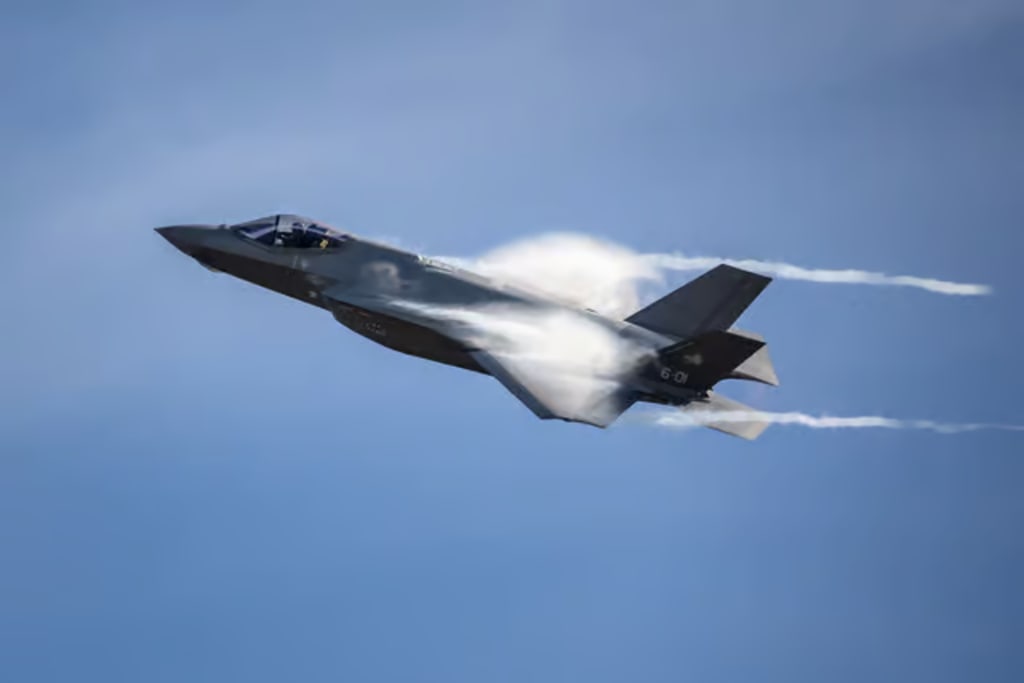
A Brief Introduction
Tensions between Russia and the North Atlantic Treaty Organization (NATO) have persisted for decades, and the skies above Europe often become a silent stage for these rivalries. One of the most dramatic examples of this rivalry is the recurring encounters between Russian pilots and NATO aircraft. These encounters are more than mere military maneuvers—they represent complex geopolitical messaging, high-risk brinkmanship, and the delicate balance between deterrence and diplomacy.
The Background of Aerial Encounters
Since the end of the Cold War, NATO and Russia have maintained uneasy relations, occasionally punctuated by military posturing. Russian long-range bombers and reconnaissance planes regularly conduct patrols near NATO airspace, while NATO fighters scramble to monitor and escort them. These flights are typically legal under international law as long as they remain in international airspace. Yet, the close proximity of military jets from rival powers means that any miscalculation could trigger a dangerous escalation.
The Mechanics of an Intercept
When a Russian aircraft approaches NATO airspace, a carefully rehearsed process begins. Ground-based radar stations first detect the incoming aircraft. NATO’s Combined Air Operations Centres then order fighter jets from the nearest member country to intercept. Pilots quickly take off, equipped with radar and visual identification systems. Their mission is not to attack but to identify the aircraft, establish communication if possible, and escort it until it turns away or files a proper flight plan.
Russian pilots, for their part, often fly without transponders or filed flight plans, which increases the tension. They may maintain radio silence or perform maneuvers to test the skill and nerve of NATO pilots. While these encounters rarely involve hostile fire, the sheer speed—jets traveling at hundreds of miles per hour—means even a small mistake could be catastrophic.
A Recent Incident of Note
In recent years, several high-profile encounters have grabbed international headlines. One notable incident occurred over the Baltic Sea, where NATO fighter jets intercepted Russian bombers flying unusually close to the borders of Estonia and Latvia. According to NATO officials, the Russian aircraft were not violating territorial airspace but were flying without flight plans and with transponders switched off. The intercept lasted only minutes, but it highlighted the razor-thin line between routine operations and potential crisis.
Such incidents serve multiple purposes for Russia. They test NATO’s readiness and response time while sending a political message to both the West and Russia’s domestic audience. NATO, in turn, uses these interceptions to demonstrate collective defense and the alliance’s ability to protect member states.
Strategic Significance
These encounters are not merely military displays; they are also tools of diplomacy and signaling. For Russia, sending bombers close to NATO territory projects strength and defiance, especially during periods of political tension such as sanctions or disputes over Ukraine. For NATO, a measured and professional response reassures member countries and communicates deterrence without escalating conflict.
Furthermore, these interactions provide valuable intelligence. NATO pilots and radar operators observe Russian tactics and aircraft capabilities. Likewise, Russian crews study NATO’s response times and procedures. In effect, each encounter is both a warning and an opportunity for surveillance.
The Risks of Escalation
Despite established protocols, the danger of miscalculation remains high. A sudden maneuver, a misinterpreted signal, or an unexpected technical malfunction could lead to a collision or even an accidental exchange of fire. The 2001 mid-air collision between a U.S. surveillance plane and a Chinese fighter jet near Hainan Island is a stark reminder of how quickly routine interceptions can spiral into international incidents.
To minimize such risks, NATO and Russia maintain communication channels designed to reduce misunderstandings. Agreements such as the 1972 Incidents at Sea Agreement (INCSEA) provide guidelines for safe interactions. Yet, with political tensions rising, even these mechanisms can be strained.
Looking Ahead
As global geopolitics grow increasingly complex, encounters between Russian pilots and NATO forces are unlikely to disappear. Instead, they may become more frequent, particularly around sensitive regions like the Arctic, the Black Sea, and the Baltic states. Maintaining strict professionalism, clear communication, and diplomatic engagement will be critical to preventing these aerial standoffs from escalating into open conflict.
Conclusion
The encounters between Russian pilots and NATO aircraft are more than mere flashes of Cold War nostalgia. They are real-time demonstrations of power, caution, and strategic calculation. Every intercept is a high-stakes message, a test of nerves, and a reminder that the margin between peace and confrontation can be as thin as the contrail of a supersonic jet.
About the Creator
Asad Ali
I'm Asad Ali, a passionate blogger with 3 years of experience creating engaging and informative content across various niches. I specialize in crafting SEO-friendly articles that drive traffic and deliver value to readers.
Author’s Advice
If you would’ve asked me 20 years ago did I know I’d become a writer and an author, I would’ve said “nope, ain’t happening”. As fate would have it I did become an author and I can honestly say I’m loving it so far. It really does feel good to be a writer. I’ve learned a lot on this journey and I feel like with even me being as new to this world as I am, there’s some wisdom I need to share with every other aspiring author.
By Joe Patterson5 days ago in Journal
A Transparent Look at Vocal Challenges and Top Stories
Almost three years ago, we shared a resource article that served as a place for people to suggest new challenge prompts. We thought it would be a good idea to refresh that thread, and take the opportunity to answer a few common questions about top stories, how challenges are judged and how submissions are reviewed.
By Vocal Curation Team4 days ago in Resources




Comments
There are no comments for this story
Be the first to respond and start the conversation.