
Rudy Rupak Discusses His Experience of Writing and Composing Across Languages
A closer look at writing music that speaks across languages and borders
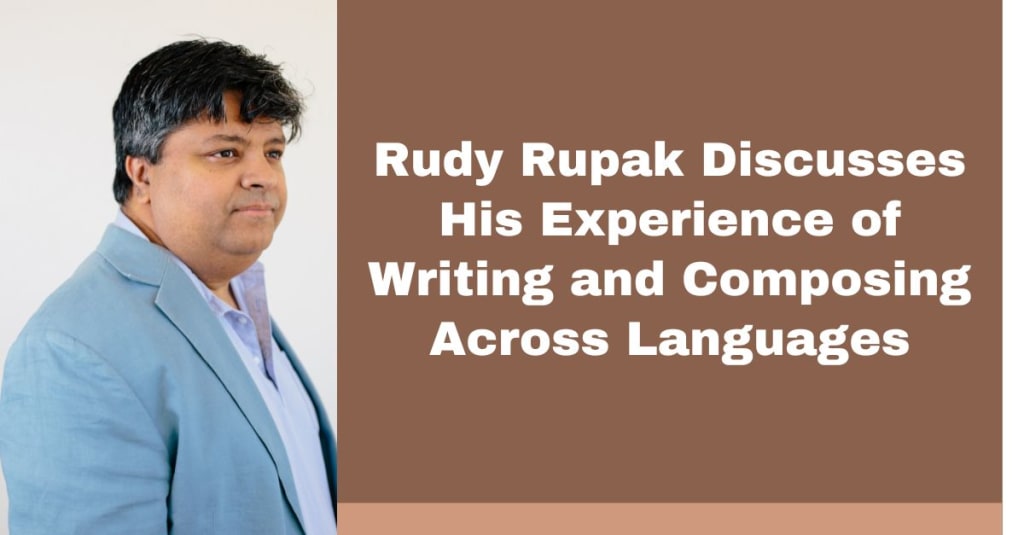
As music becomes more global, artists are breaking free from the boundaries of language and culture. Music has become a shared space where emotions travel freely, crossing borders and connecting people in deeply personal ways. Among the artists embracing this creative freedom is Rudy Rupak, who openly discusses his journey of writing and composing music across different languages. His experience reflects not only artistic growth but also a broader shift in how music is created and understood in a multicultural world.
A Natural Curiosity for Languages in Music
For Rudy Rupak, writing and composing across languages was not a strategic decision made overnight. It emerged naturally from his curiosity and exposure to diverse cultures, sounds, and stories. As a composer, he believes that language is more than a medium—it is a carrier of emotion, rhythm, and identity.
While some artists hesitate to step outside their comfort zone, Rudy saw multilingual songwriting as an opportunity to explore new emotional layers. Each language, he explains, brings its own musical texture, allowing him to express ideas that may feel incomplete in just one form of speech.
How Language Shapes Melody and Emotion
One of the most interesting aspects of Rudy Rupak’s creative process is how language influences melody. According to him, the structure and flow of words often guide the rhythm of a composition.
Different languages offer:
- Unique syllable patterns that affect tempo
- Distinct emotional tones shaped by culture
- Natural musicality embedded in pronunciation
Rudy notes that composing in multiple languages has helped him become more sensitive as a musician. He listens more carefully—to words, pauses, and emotional cues—resulting in music that feels intentional and deeply connected to its message.
Writing Beyond Words: Emotion Comes First
Despite working across languages, Rudy Rupak emphasizes that emotion always comes before words. He often begins with a feeling, a melody, or a simple idea, and then allows the language to adapt around it.
This approach helps him avoid forced writing. Instead of translating lyrics directly, he focuses on translating emotions. The goal is not linguistic perfection but emotional honesty—something listeners across cultures can instantly recognize.
“When emotion is true, the language finds its place,” he often shares while discussing his creative philosophy.
Challenges of Composing Across Languages
Like any meaningful creative journey, writing in multiple languages comes with its own challenges. Rudy Rupak openly acknowledges that it requires patience, learning, and humility.
Some common challenges include:
- Understanding cultural context beyond literal meanings
- Maintaining lyrical depth without sounding artificial
- Balancing authenticity with accessibility
However, Rudy sees these challenges as valuable lessons. Each obstacle pushes him to research more, listen carefully, and collaborate with people who understand the cultural nuances of a language better than he does.
The Role of Listening and Learning
Listening plays a crucial role in Rudy Rupak’s multilingual work. He spends time absorbing music, conversations, and storytelling styles from different regions. This habit allows him to respect the essence of each language rather than treating it as a technical tool.
By learning through listening, he ensures that his compositions feel natural and relatable. This process also keeps his music evolving, preventing repetition and creative stagnation.
Cultural Connection Through Music
One of the most positive outcomes of writing across languages, according to Rudy, is the ability to build cultural bridges. Music becomes a shared emotional space where listeners feel seen and understood, regardless of their background.
Rudy believes that multilingual compositions:
- Encourage cultural appreciation
- Break stereotypes through storytelling
- Create a sense of unity through shared emotion
In a time when divisions often dominate headlines, his approach highlights how art can quietly promote harmony and understanding.
Growth as a Composer and Storyteller
Writing and composing across languages has significantly shaped Rudy Rupak’s growth as an artist. It has refined his storytelling skills, expanded his musical vocabulary, and strengthened his confidence as a composer.
Each project adds a new layer to his creative identity. Rather than being defined by a single style or language, Rudy continues to evolve, allowing his work to reflect both personal growth and global influence.
Audience Response and Global Reach
The response to Rudy Rupak’s multilingual work has been encouraging. Listeners often connect with the sincerity of his compositions, even when they don’t fully understand the words. This reaction reinforces his belief that music communicates beyond language barriers.
By embracing multiple languages, Rudy has also expanded his reach, connecting with audiences who feel represented and valued through his work.
Looking Ahead: A Continual Journey
Rudy Rupak views writing and composing across languages not as a trend, but as a lifelong journey. He remains open to learning, experimenting, and growing with each new project. His focus remains on authenticity, emotional clarity, and respect for every language he works with.
As the music industry continues to evolve, his approach stands as a reminder that meaningful art is rooted in openness and empathy.
Final Thoughts
Rudy Rupak’s experience of writing and composing across languages reflects a modern, thoughtful approach to music creation. By prioritizing emotion, cultural understanding, and honest expression, he demonstrates how artists can grow beyond limitations and connect more deeply with the world around them.
His journey serves as an inspiring example of how music, when created with sincerity, can speak many languages—yet feel universally understood.
About the Creator
Author’s Advice
If you would’ve asked me 20 years ago did I know I’d become a writer and an author, I would’ve said “nope, ain’t happening”. As fate would have it I did become an author and I can honestly say I’m loving it so far. It really does feel good to be a writer. I’ve learned a lot on this journey and I feel like with even me being as new to this world as I am, there’s some wisdom I need to share with every other aspiring author.
By Joe Patterson3 days ago in Journal
Why Didn't Anyone Tell Us
Men, move along. This is not for you. This is for the women. I was forty-five when I began menopause. It is pretty young for that to be going on in a woman’s life, but I had undiagnosed PCOS, my entire life. Thank you to all the gynecologists I had seen my entire life. That in itself should encourage women to keep seeking second opinions, especially when you are not getting correct answers or any at all.
By Alexandra Grant4 days ago in Humans



Comments
There are no comments for this story
Be the first to respond and start the conversation.