
Rohingya Refugee Crisis in Cox’s Bazar: Adolescent Girls, Exploitation, and Their Struggle for Survival
Bangladesh Cox’s Bazar: A Crisis Beyond Borders

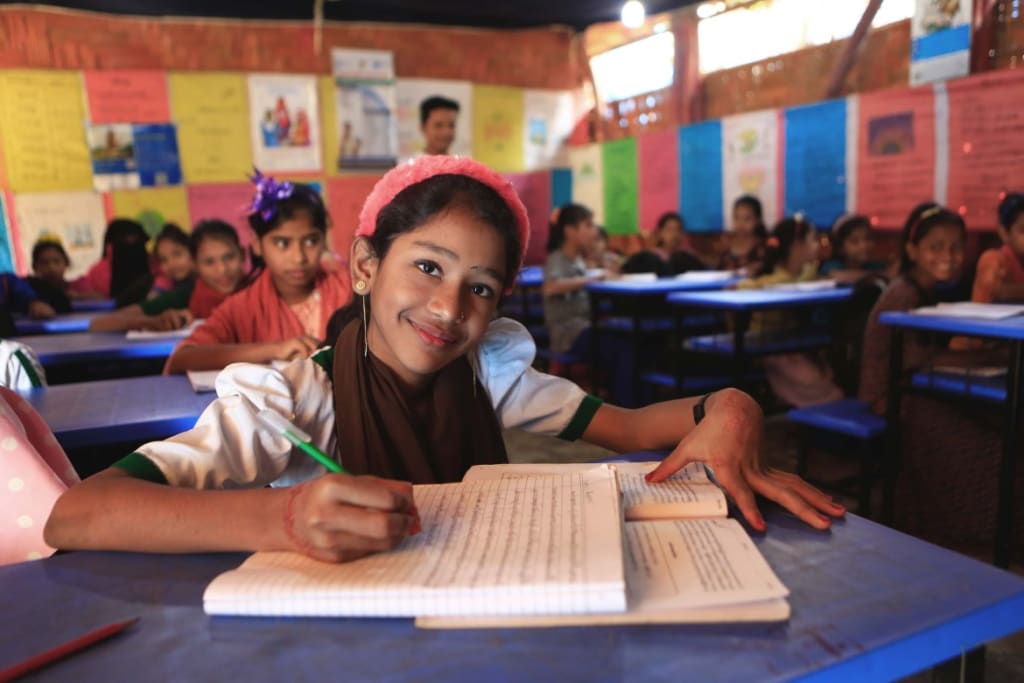
Tuhin Sarwar: Banglades- Cox’s Bazar in Bangladesh hosts one of the largest refugee camps in the world, serving as a harsh reminder of the ongoing humanitarian aftermath of the Rohingya crisis. Among the many challenges faced by refugees, the vulnerability of adolescent girls to exploitation forced marriages, and limited opportunities for the future remains one of the most urgent and distressing. The situation of these young girls has reached a critical stage, and addressing it should be a global priority.
Understanding the Crisis
The Rohingya people, an ethnic Muslim minority from Myanmar, fled systematic persecution following a military crackdown in August 2017. Over a million refugees, including a significant number of children and adolescents, now reside in overcrowded camps in Cox’s Bazar. Despite substantial international aid, the resources available to meet the basic needs of this displaced population remain insufficient.
The conditions in the camps are grim—overcrowding, poor sanitation, limited access to healthcare, and a lack of educational opportunities. These dire circumstances have created an environment where vulnerabilities are intensified, particularly for women and girls who are at a much higher risk of violence and exploitation.
Adolescent Girls: A Life in Peril
Adolescent Rohingya girls are among the most vulnerable members of the refugee community. According to the United Nations High Commissioner for Refugees (UNHCR), many families, fearing sexual violence and other forms of abuse, are compelled to marry off their daughters at an early age. While families view early marriage as a protective measure, it often leads to further exploitation, domestic violence, and even abandonment.
Reports from organizations such as BRAC and Save the Children highlight the disproportionate risks these girls face from human trafficking. Traffickers prey on their desperation and lack of opportunities, luring them with promises of a better life or job offers. Tragically, many of these girls end up being trafficked into forced labor, sex work, or sexual exploitation in Bangladesh and other neighboring countries like India and Myanmar.
Marriage: A Double-Edged Sword
Child marriage is rampant in the camps and serves as a double-edged sword for many adolescent girls. According to Save the Children, 22% of girls aged 15-19 in the camps are married, compared to 13% in the surrounding host communities. Families often view marriage as a way to protect their daughters from sexual violence, but in reality, it often leads to further harm.
Many of these young girls are married off to Bangladeshi men in the hope of providing them with security. However, these marriages are often unstable and end in abandonment, leaving young girls with children to care for, compounding their vulnerabilities. Without access to social support or legal recourse, these girls face a life of poverty, isolation, and marginalization.
Life After Marriage or Exploitation
The aftermath of forced marriages or trafficking is often a life of continued suffering for these girls. Once married or exploited, many face marginalization and limited access to legal, healthcare, or social support systems. Human Rights Watch emphasizes the lack of effective intervention programs that can help rehabilitate these girls or offer them a way out of their exploitation.
Many survivors are pushed into informal labor markets or trafficked again into new exploitative situations. Those who manage to escape trafficking rarely receive the necessary psychological or financial support to rebuild their lives. The absence of a proper rehabilitation system further traps these girls in a cycle of abuse and exploitation.
Bangladesh’s Response and Policy Gaps
While Bangladesh has been praised for providing shelter to Rohingya refugees, the absence of a comprehensive, long-term strategy to address their needs remains a significant challenge. Policies regarding education, employment, and legal rights for refugees are underdeveloped, and efforts by international organizations like the International Organization for Migration (IOM) and UNHCR are often hindered by resource constraints and bureaucratic hurdles.
Moreover, the government has imposed significant restrictions on Rohingya refugees, including denying them access to formal education and employment outside the camps. These limitations exacerbate poverty and dependency, particularly among women and girls, and continue to fuel cycles of exploitation.
A Call to Action: Critical Interventions Needed
To address the urgent needs of adolescent Rohingya girls, several interventions are crucial:
Education and Vocational Training:
Educational and vocational programs are essential to empower girls with the skills and knowledge necessary for self-reliance. International donors should increase funding for both formal and informal education programs to help these girls build a better future.
Enhanced Protection Systems:
Stronger protection mechanisms are needed to safeguard these girls from trafficking. This includes bolstering surveillance, increasing legal action against trafficking networks, and collaborating with regional governments to dismantle cross-border trafficking routes.
Legal Reforms:
Bangladesh must implement legal reforms such as birth registration systems to ensure that girls have access to basic rights like education, healthcare, and legal recourse. Documentation would also protect girls from further exploitation by providing them with legal recognition.
Community Awareness Campaigns:
Awareness programs targeting the Rohingya community are essential to change harmful cultural practices, such as child marriage. Educating families about the long-term consequences of these practices can help reduce the risks of exploitation and trafficking.
Mental Health Support:
Given the trauma many girls have experienced, mental health support is a critical intervention. Providing counseling and trauma recovery programs for survivors of exploitation and abuse will help them heal and reintegrate into society.
International Responsibility
The international community must intensify efforts to address the Rohingya refugee crisis. Countries hosting large numbers of refugees should offer resettlement opportunities, while donor nations must increase their contributions to humanitarian efforts in Bangladesh. Furthermore, global organizations must continue to press Myanmar for accountability for the conditions that led to the displacement of the Rohingya people.
Conclusion: The Need for Urgent Action
The future of adolescent Rohingya girls is at a critical crossroads. While immediate humanitarian aid is essential, addressing the systemic issues perpetuating their vulnerability is equally vital. A coordinated, multifaceted approach involving the Bangladesh government, international organizations, and community leaders is necessary to ensure a safer and more secure future for these girls—a future where they are not just survivors but also agents of change.
Through concerted action, we can ensure that the next generation of Rohingya girls has the opportunity to live with dignity, hope, and the ability to shape their own futures.
About the Creator
Tuhin sarwar
Tuhin Sarwar is a Bangladeshi investigative journalist and author, reporting on human rights, the Rohingya crisis, and civic issues. He founded Article Insight to drive data-driven storytelling. 🌐 tuhinsarwar.com
Keep reading
More stories from Tuhin sarwar and writers in Journal and other communities.
Digital Landlords: Algorithmic Control in Bangladesh Ride-Sharing
By Tuhin Sarwar । Published: 13 January । 2024 । DHAKA, BANGLADESH At 4:30 AM, when most of Dhaka still sleeps, Mohammad Rahman starts his daily negotiation with an algorithm. He opens three ride-hailing apps simultaneously – Uber, Pathao, and local newcomer Shohoz watching the digital maps light up. His motorcycle, purchased with a high-interest loan, waits as he does. The algorithm will decide his day's fate.
By Tuhin sarwar6 days ago in Journal
The goals I did not achieve
Every writing goal I made for the year is a wash. It has been this way for a while, but I think it's important to be open about my failures and the reality of how life can get in the way. This is especially true considering the several times I have posted on Vocal about my writing goals, how I was changing my approach, and where I was hoping to be for the upcoming year. I will probably do that again in a couple months, but for now, it is time to acknowledge where I am today.
By Kay Husnick24 days ago in Journal
The Invisible Hand That Rules
In the heart of the city, there’s a building that no one notices. Its glass walls reflect the sun, its elevators glide silently, and its corridors smell of polished ambition. Decisions are made here that shape millions of lives, yet outside, the city breathes, unaware. The air hums with traffic, the chatter of cafes, the distant wail of sirens, and life moves on as though the building’s influence is nothing more than an echo.
By Jhon smith5 days ago in Journal




Comments
There are no comments for this story
Be the first to respond and start the conversation.