
Rising Construction Activity Pushes India Building Materials Market Toward USD 64.5 Billion Milestone by 2034
How rapid urbanization, infrastructure expansion and the shift toward sustainable materials are reshaping India’s building materials landscape

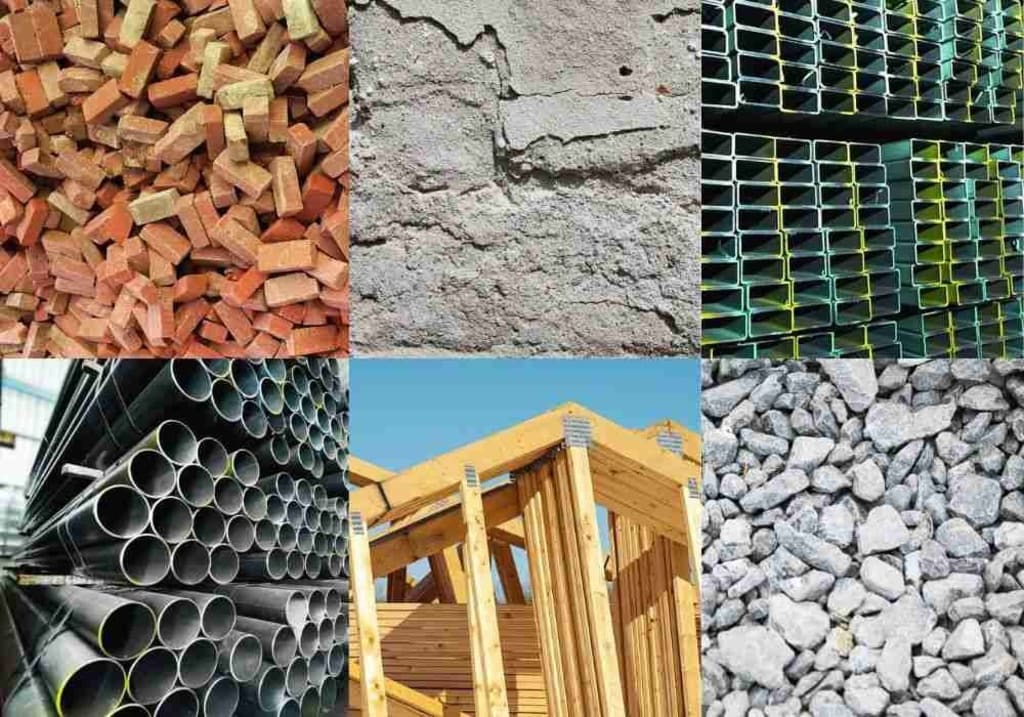
Introduction
The India Building Materials Market is experiencing robust growth driven by rapid urbanization, infrastructure expansion and increasing construction activity across residential, commercial and industrial sectors. According to the latest data from IMARC Group, the market value reached USD 44.4 billion in 2025. Looking ahead, the market is projected to grow to USD 64.5 billion by 2034, registering a compound annual growth rate (CAGR) of 4.24% during 2026–2034.
This growth underscores India’s ongoing construction boom, growing investments in infrastructure, real estate expansion, and rising adoption of both conventional and advanced building materials.
Why is the India Building Materials Market Growing?
1. Rapid Urbanization and Infrastructure Development
India’s large-scale urban expansion, new housing projects, and commercial/industrial infrastructure developments have significantly increased demand for building materials such as cement, bricks, steel, glass, and others.
2. Growth in Residential and Commercial Construction
Rising population, increasing household formation, and demand for affordable & mid-segment housing, along with growth in commercial real estate (offices, retail, logistics), contribute to higher construction activity — in turn driving building materials consumption.
3. Shift Toward Sustainable, Eco-Friendly & Advanced Materials
There is a growing trend toward sustainable and energy-efficient building practices. Demand is rising for green materials — such as fly-ash bricks, low-carbon cement, recycled materials, lightweight materials — which reduce environmental impact and offer long-term cost and energy savings.
4. Adoption of Prefabricated / Modular / Lightweight Construction Methods
As builders look to reduce construction time and cost — especially in affordable housing and urban projects — lightweight building materials and prefabricated construction methods (e.g. AAC blocks, lightweight steel frames) are gaining popularity. This supports demand for specialized building materials beyond traditional cement and bricks.
5. Government Initiatives, Infrastructure & Housing Programs
Government-backed infrastructure projects, urban redevelopment, smart-city initiatives, and affordable housing schemes increase demand for building materials. Such policies stimulate construction across segments and support sustained material demand.
Key Segments & Market Dynamics
• The market covers a broad range of materials — traditional (cement, bricks, steel, concrete, glass) as well as advanced/eco-friendly materials (lightweight materials, precast, recycled products, energy-efficient components).
• There is a growing share of “green” and sustainable building materials as demand shifts toward environmentally conscious construction.
• Segments such as lightweight building materials are seeing separate growth trajectories. For example, the India Lightweight Building Materials Market was valued at USD 13.80 billion in 2024 and is expected to reach USD 18.90 billion by 2033 (CAGR ~ 3.20%).
Key Players / Stakeholders
Although the building materials market in India is fragmented with many domestic and regional producers, major industrial players producing cement, steel, ready-mix concrete, bricks, tiles, etc., remain leading contributors. For example, UltraTech Cement — India’s largest grey cement and ready-mix concrete manufacturer — plays a central role in supplying materials across the country.
Additionally, companies focusing on sustainable and innovative materials — such as lightweight materials, precast components, and green building solutions — are emerging as important players, responding to growing demand for eco-friendly construction.
Why Should You Know About the India Building Materials Market?
• For industry stakeholders (manufacturers, suppliers, distributors) — the robust growth trajectory indicates long-term demand, presenting opportunities to expand capacity, adopt sustainable materials, and cater to both traditional and emerging segments (lightweight, green, precast).
• For real estate developers, construction firms & investors — understanding this market helps in forecasting construction costs, sourcing materials, and choosing between traditional vs. sustainable solutions depending on project needs and regulatory norms.
• For policy planners and infrastructure developers — the growing demand for building materials aligns with national priorities like urbanization, affordable housing, and eco-friendly infrastructure, implying that planning for supply, logistics, and sustainability will be essential.
• For market researchers and analysts — this market offers insights into shifting trends: from conventional cement-brick-steel constructions to sustainable, lightweight, and modular building methods — useful for forecasting, competitive benchmarking, and investment decisions.
About the Creator
Sam walter
As a Market Researcher at IMARC Services Private Limited, I lead strategic initiatives to deliver in-depth market analysis and insights.
Keep reading
More stories from Sam walter and writers in Journal and other communities.
Indonesia Frozen Food Market Valuation to Reach USD 5.9 Billion by 2033 - Growing at a CAGR of 6.31%
As indicated in the latest market research report published by IMARC Group, titled "Indonesia Frozen Food Market Report by Type (Frozen Fruits and Vegetables, Frozen Ready Meals, Frozen Meat Products, Frozen Fish/Sea Food, Frozen Bakery Products, Others), Distribution Channel (Hypermarkets and Supermarkets, Grocery Stores/Convenience Stores, Online Retail Stores, Others), and Region 2025-2033," the report presents a thorough review featuring the Indonesia frozen food market trends, growth, share, and research of the industry.
By Sam walter5 months ago in Journal
Author’s Advice
If you would’ve asked me 20 years ago did I know I’d become a writer and an author, I would’ve said “nope, ain’t happening”. As fate would have it I did become an author and I can honestly say I’m loving it so far. It really does feel good to be a writer. I’ve learned a lot on this journey and I feel like with even me being as new to this world as I am, there’s some wisdom I need to share with every other aspiring author.
By Joe Patterson5 days ago in Journal
A System That Isn’t Working Challenge Winners
Systems promise order. They organize behavior, distribute opportunity, and suggest that if everyone follows the rules, things will work. The entries in A System That Isn’t Working look closely at what happens when that promise begins to slip.
By Vocal Curation Team5 days ago in Resources




Comments
There are no comments for this story
Be the first to respond and start the conversation.