
Rethinking Product Imagery: Why Designers and Brands Are Switching to 3D Rendering
Rethinking Product Imagery: Why Designers and Brands Are Switching to 3D Rendering
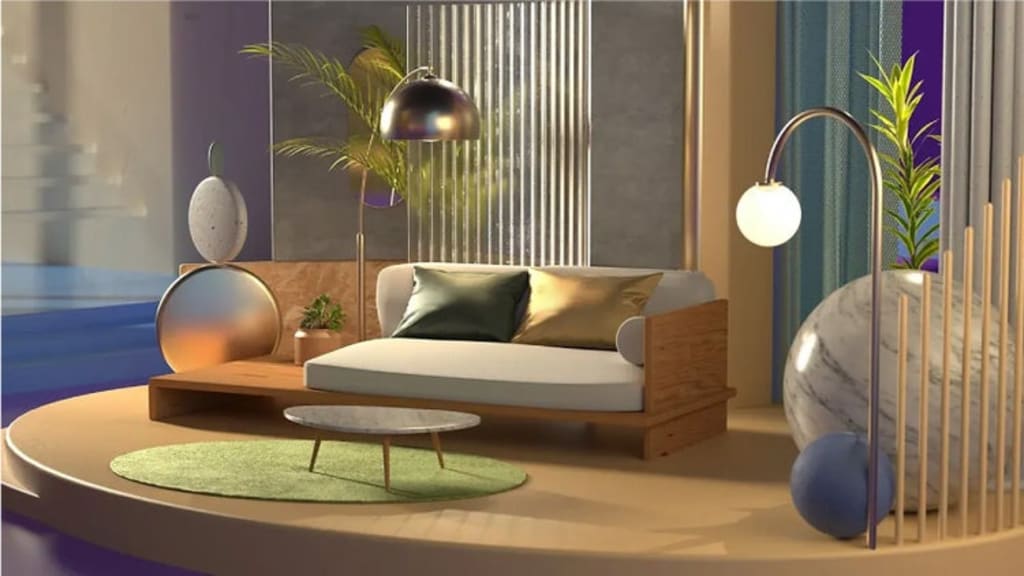
If you're a designer, furniture brand, or even a homeowner planning your dream space, you've probably noticed something: traditional product photos just don't cut it anymore.
In a world where people make decisions based on what they see on a screen, the quality and realism of product imagery have never been more important. And this is exactly why 3D rendering service is quickly becoming the go-to solution for professionals working in interior design, furniture retail, and home renovation.
Let’s take a closer look at how 3D imagery is changing the game—and why more professionals on platforms like Houzz are embracing it.
From Flat Images to Immersive Visuals
For years, product photography served its purpose. You took photos of a chair, a pendant light, or a coffee table and added them to your catalog or online store. Simple. But today’s buyers want more than a static image—they want to see how that product lives in a real space.
That’s where 3D rendering comes in. It creates hyper-realistic images of furniture and decor without ever needing a physical sample. More than just pretty pictures, 3D visuals can show a product from any angle, in any material or finish, and placed in a fully designed interior. Imagine browsing for a sectional and being able to see it in a modern loft, a cozy farmhouse, or a Scandinavian-style living room—all from your phone or desktop. That’s the power of visualization.
Why Details Make All the Difference
Every interior designer knows that the smallest design detail can make or break a space. The curve of a chair’s back, the stitching on a sofa, the sheen on a brass lamp—these subtle elements give a product its personality.
3D rendering captures those details with incredible precision. And it does so without the time, cost, and logistics of photography. No need to produce samples or organize photoshoots. Instead, designers and brands can experiment with materials, colors, and styles digitally—and adjust them as needed. This flexibility is especially helpful when you’re working with custom orders, prototyping, or presenting concepts to clients.
Consistency That Builds Trust
Have you ever scrolled through a product catalog and noticed the lighting or angles shift from item to item? That inconsistency can distract clients and dilute your brand’s professional image. With 3D, every product in a collection can be shown with the same lighting, camera angle, background, and mood. This brings harmony to your portfolio and gives your Houzz project pages a clean, polished look. And consistency isn’t just aesthetic—it builds trust. When clients see that your visuals are well-organized and coherent, they’re more confident in the quality of your work or product.
Easily Adapt to Client Preferences
One of the standout advantages of 3D rendering is how easy it is to customize visuals for different audiences. Need to show the same bed in walnut, white oak, and black lacquer? Want to explore pendant lights in chrome vs. brass? No problem. Instead of reshooting products over and over, 3D lets you adjust finishes, fabrics, or accessories in minutes. You can also request multiple views: top-down, close-ups, or full-room scenes with your product in focus. This is especially useful on Houzz where users love to explore projects from multiple angles and zoom into the details.
Lifestyle Scenes That Tell a Story
People shop with their eyes—and their emotions. They don’t just want to see what a chair looks like; they want to imagine how it will feel in their home. 3D lifestyle rendering allows you to showcase furniture in designed spaces: living rooms, bedrooms, dining areas, patios—tailored to your target audience. Whether it’s a coastal retreat or a modern urban apartment, you can place your products in environments that speak directly to your ideal clients.
For Houzz professionals, this means your portfolio images become more than decoration—they become conversation starters, lead generators, and even sales tools.
The SEO & Marketing Boost You Didn’t Expect
It’s not just about looking good. Unique, high-quality visuals improve your SEO on platforms like Houzz and Google. With 3D, you avoid stock photo repetition and create original content that ranks better, keeps people on your page longer, and helps you stand out in a crowded market. Better visuals = better engagement = more visibility. And because your images are digital, they’re easy to reuse across your website, social media, lookbooks, or paid ads.
Looking Ahead
3D rendering is not a trend. It’s a long-term solution for brands and professionals who want to stay relevant in an increasingly digital, visual-first world. As tools like AR (augmented reality) and VR become more common, having 3D-ready assets will help you stay ahead of the curve. Whether you're building a new collection, pitching a design to a client, or refreshing your Houzz portfolio—3D rendering service gives you flexibility, speed, and style that’s hard to beat.
Why It Matters
Great product imagery used to be a luxury. Today, it’s an expectation.
If you're serious about presenting your work or products at the level clients demand—3D rendering services are worth the investment. They bring your ideas to life before a single nail is hammered or fabric is cut. And on platforms like Houzz, where first impressions matter, the difference can be everything.
About the Creator
Keep reading
More stories from Aurang Zeb and writers in Journal and other communities.
Author’s Advice
If you would’ve asked me 20 years ago did I know I’d become a writer and an author, I would’ve said “nope, ain’t happening”. As fate would have it I did become an author and I can honestly say I’m loving it so far. It really does feel good to be a writer. I’ve learned a lot on this journey and I feel like with even me being as new to this world as I am, there’s some wisdom I need to share with every other aspiring author.
By Joe Patterson3 days ago in Journal




Comments
There are no comments for this story
Be the first to respond and start the conversation.