
Release Greta Thunberg
The Arrest of Greta Thunberg and the Global Outcry
Release Greta: The Arrest of Greta Thunberg and the Global Outcry
When news broke that Swedish climate activist Greta Thunberg had been detained by Israeli authorities, it sent shockwaves through the world. The 22-year-old environmentalist, famous for inspiring millions to fight climate change, found herself at the center of a political storm — this time not for her activism against fossil fuels, but for standing with Gaza.
In early October 2025, Thunberg joined a humanitarian flotilla called the Global Sumud Flotilla, a coalition of peace activists and aid workers aiming to deliver supplies to Gaza by sea. Their goal was to challenge Israel’s long-standing maritime blockade on the region, which they described as “a humanitarian crisis disguised as security policy.”
However, the flotilla never reached its destination. Israeli naval forces intercepted the boats in the eastern Mediterranean, claiming the activists were attempting to illegally breach Israeli territorial waters. The vessels were diverted to Israeli ports, and several activists, including Thunberg, were detained.
The Detention and Global Reactions
Following her arrest, the hashtag #ReleaseGreta began trending across social media platforms, sparking international protests and condemnation. Supporters called for her immediate release and accused Israel of violating international humanitarian law.
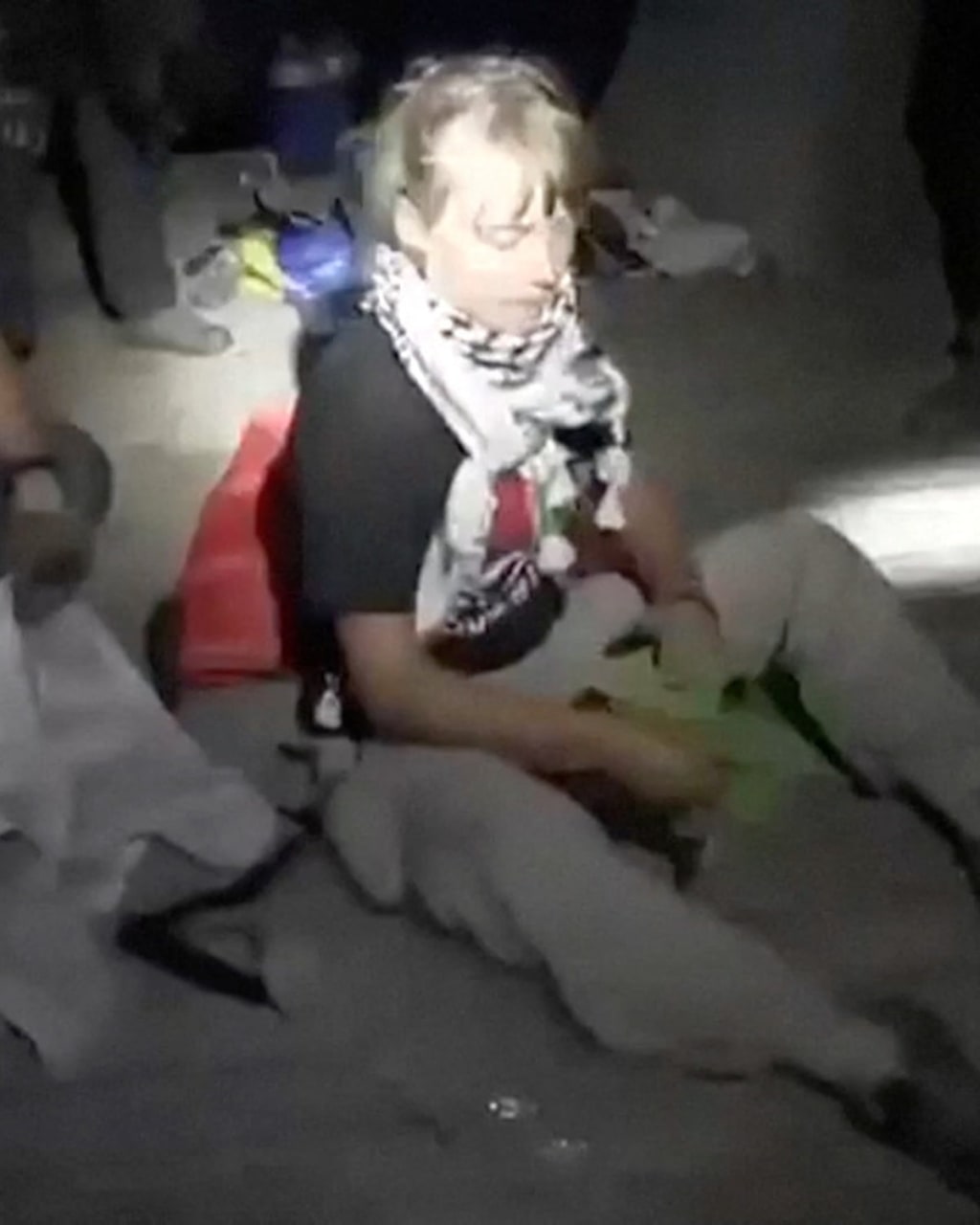
According to several activists who were held alongside Thunberg, conditions in detention were “harsh and demeaning.” Reports described unsanitary cells, limited food and water, and verbal abuse from guards. Some even alleged that detainees were forced to pose with unidentified flags — images that were later circulated online.
Thunberg herself later said she was “kidnapped in international waters,” maintaining that her group had not violated any laws. “We were unarmed and peaceful,” she reportedly told Swedish media. “We were carrying medicine and food, not weapons.”
Israel, however, rejected all allegations of mistreatment, stating that the activists were processed according to law and that their safety was never in danger. Officials called the flotilla a “political provocation” disguised as humanitarian aid.
Deportation and Diplomatic Tensions
On October 6, 2025, Israel deported 171 activists, including Thunberg, to Greece and Slovakia. Swedish diplomats immediately intervened, demanding a full investigation into the treatment of their citizens.
Sweden’s Prime Minister expressed concern but also criticized Thunberg’s participation, saying: “While we respect humanitarian intentions, Swedish citizens must not put themselves in harm’s way or violate international boundaries.”
Human rights organizations like Amnesty International and Human Rights Watch have since urged Israel to release official footage of the arrests and allow independent observers to review the detention conditions.
A Symbol Beyond Borders
The “Release Greta” movement quickly grew beyond the original incident. It became a global rallying cry — not just for Thunberg’s freedom, but for the right to protest, humanitarian principles, and accountability in conflict zones.
Protests erupted in London, Berlin, New York, Stockholm, and Kuala Lumpur, with demonstrators waving placards reading “Freedom for Greta” and “Justice for Gaza.” Artists created murals, poets wrote tributes, and international media dissected every detail of her detention.
For Thunberg, this moment marked an evolution in her activism — from environmental to humanitarian causes. It reflected her belief that “climate justice and human rights are inseparable.”
Israel’s Perspective
From Israel’s standpoint, the flotilla represented a security threat. Officials claimed that similar missions in the past had been used to smuggle contraband and undermine national security. They emphasized that the blockade of Gaza is necessary to prevent weapons from reaching militant groups.
A spokesperson from Israel’s Defense Ministry stated: “No one is above the law. Attempts to breach the blockade — even under humanitarian claims — endanger lives and will be stopped.”
This response, however, only fueled global outrage, with critics accusing Israel of silencing peaceful activism through intimidation.
The Larger Question
The “Release Greta” saga has reignited debates about the limits of activism and the ethics of civil disobedience. Should activists risk arrest to draw attention to global injustices? Or should governments prioritize security above all else?
In Thunberg’s case, the answer seems to lie somewhere in between. While critics argue that she overstepped boundaries, supporters insist that she was exercising her moral duty to speak for the oppressed.
Conclusion
As Thunberg recovers from her ordeal, her message remains steadfast: “No border, no government, and no threat can stop the fight for justice.”
The “Release Greta” movement has become a defining moment of 2025 — a powerful reminder that the fight for human dignity, whether for the planet or for people, transcends nationality and politics.
About the Creator
"Scream 7" (2026): Running out of Fresh Screams
This is the seventh time we’ve had a Ghostface crisis. Scream 7 is the latest edition of the Scream franchise. Sydney Prescott and her family are under attack by another anonymous killer dressed in a Ghostface costume. While having issues with her daughter, Tatum, they run from the bloody murders, trying to determine who is behind it all.
By Marielle Sabbag6 days ago in Horror




Comments
There are no comments for this story
Be the first to respond and start the conversation.