
Registering a Company in Ireland: A Complete Guide
Register a company in Ireland
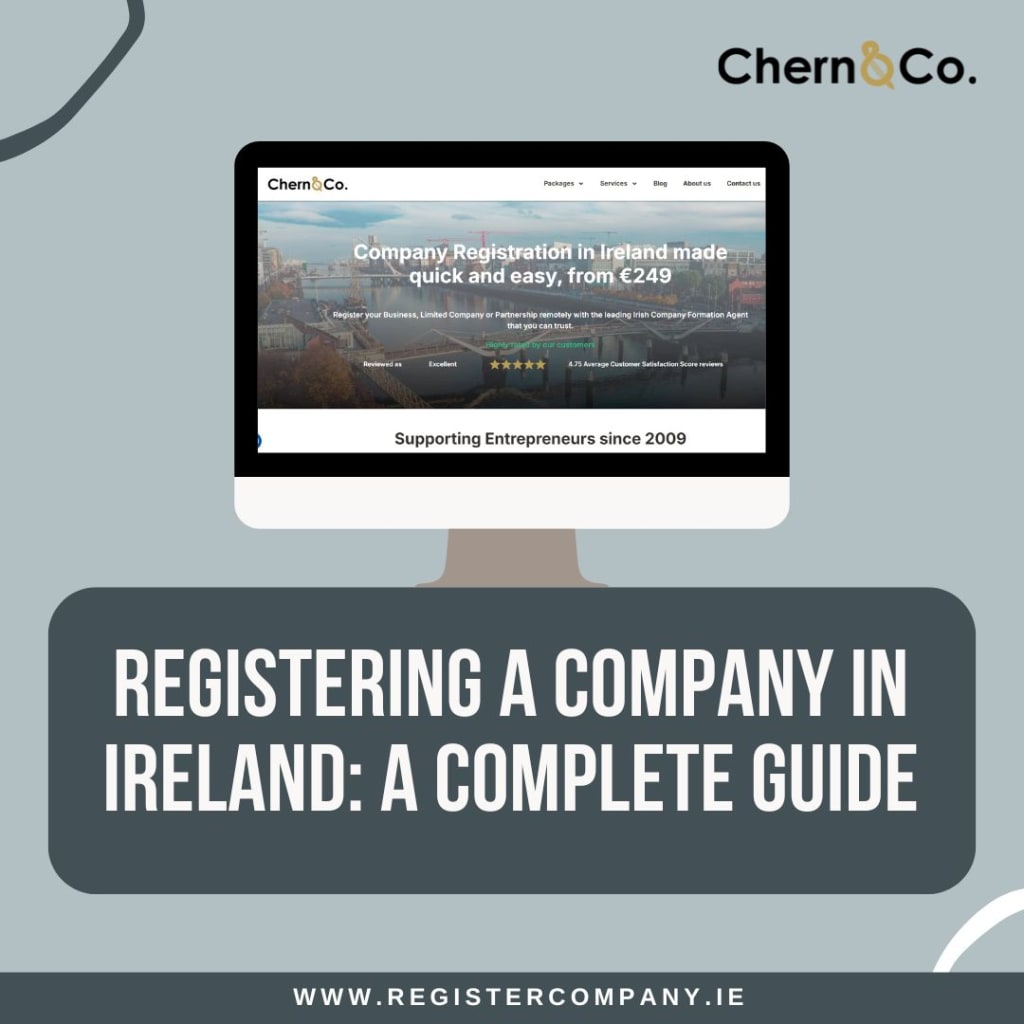
Ireland is one of the most attractive destinations in Europe for starting a business, thanks to its low corporate tax rate, business-friendly policies, skilled workforce, and access to both the EU and global markets. If you're looking to register a company in Ireland, whether as a local entrepreneur or an international investor, this guide will walk you through the key steps and considerations involved.
Why Choose Ireland?
Ireland is a favored destination for multinational corporations and startups alike. Its advantages include:
- Low Corporate Tax Rate: Ireland’s standard corporate tax rate is 12.5%, among the lowest in Europe.
- EU Membership: As an EU member, businesses in Ireland benefit from free trade and mobility across the EU.
- Skilled Workforce: Ireland boasts a highly educated and English-speaking labor force.
- Strong Legal Framework: The country offers a well-regulated, transparent legal and business environment.
- Innovation Support: Ireland offers generous R&D tax credits and various innovation grants.
Types of Companies in Ireland
Before registering, you’ll need to choose the type of company that best suits your business needs. The main structures are:
Private Company Limited by Shares (LTD)
- Most common type for startups and SMEs.
- Liability of shareholders is limited to the amount unpaid on their shares.
- Can have a single director and no requirement for a company secretary if there is more than one director.
Designated Activity Company (DAC)
- Suitable for businesses with specific, restricted objectives.
- Requires at least two directors and a company secretary.
Company Limited by Guarantee (CLG)
- Often used by charities or non-profits.
- No share capital, and members have limited liability.
Public Limited Company (PLC)
- Can raise capital from the public and list on the stock exchange.
- Requires a minimum of €25,000 in share capital and at least two directors.
Sole Trader or Partnership
- Easiest to set up but does not offer limited liability.
- Less formal registration process.
Steps to Register a Company in Ireland
The process is managed by the Companies Registration Office (CRO). Here’s a step-by-step overview:
- Step 1: Choose a Company Name
The name must be unique and not misleadingly similar to any existing business. You can check name availability using the CRO’s website.
- Step 2: Decide on the Company Structure
Select the most appropriate legal structure (e.g., LTD, DAC). For most small businesses, the LTD model is the most suitable.
- Step 3: Appoint Directors and Secretary
At least one EEA-resident director is generally required.
Non-EEA residents may need a bond unless they have a real and continuous link to Ireland.
A company secretary is required unless the company has more than one director.
- Step 4: Prepare the Constitution
The Constitution outlines the rules of the company. For LTDs, a one-part constitution is sufficient. Other types may require a Memorandum and Articles of Association.
- Step 5: Register with the CRO
To register, submit Form A1 and the company’s Constitution to the CRO. This can be done online through the CORE (Companies Online Registration Environment) portal.
- Documents include:
- Director and secretary details
- Registered office address
- Company name
- Shareholder details and capital structure
- Step 6: Obtain a Company Number
Once approved, the CRO will issue a Certificate of Incorporation and a unique Company Registration Number (CRN). This confirms your company is legally registered.
- Step 7: Register for Taxes
After incorporation, register with the Revenue Commissioners for:
- Corporation Tax
- VAT (if applicable)
- PAYE/PRSI (if hiring employees)
This can be done via the Revenue Online Service (ROS).
Post-Registration Requirements
Once registered, Irish companies must adhere to various compliance obligations:
- Annual Returns: File an annual return with the CRO (Form B1), starting six months after incorporation.
- Financial Statements: Prepare and file financial accounts annually.
- Corporate Tax Returns: Submit CT1 tax returns annually to the Revenue.
- Maintain Statutory Registers: Keep up-to-date records of directors, shareholders, and meetings.
- Data Protection Registration: If handling personal data, register with the Data Protection Commission (DPC).
Costs Involved
The cost to incorporate a company in Ireland varies depending on services used. Basic online registration costs €50, while using a company formation agent might range from €200 to €1,000+, depending on added services (e.g., virtual office, tax registration, nominee services).
Opening a Business Bank Account
Once your company is registered, you’ll need a corporate bank account. Most banks in Ireland will require:
- Certificate of Incorporation
- Company Constitution
- Directors’ and shareholders’ ID and proof of address
- Tax details (e.g., Tax Reference Number)
Some banks may request an in-person meeting or evidence of local business activity.
Using a Formation Agent
Many entrepreneurs, especially those based outside Ireland, use formation agents to handle the process. These agencies offer:
- Fast-tracked registration
- Local office address services
- Tax and VAT registration
- Ongoing compliance support
FAQs
- Can non-residents set up a company in Ireland?
Yes. However, at least one EEA-resident director is usually required unless a bond is put in place or an exemption is granted.
- How long does it take to register?
If filed online with all correct documentation, registration typically takes 3–5 working days.
- Do I need to be in Ireland to start a business?
No. You can register remotely, though certain banks or legal services might require a physical presence or meeting.
- What taxes will my company pay?
- Corporation Tax: 12.5% (trading income)
- VAT: 23% standard rate (exemptions apply)
- Employer PRSI and PAYE for staff
Conclusion
Registering a company in Ireland is a relatively straightforward process, especially with digital filing options and professional services available. With a pro-business government, strong legal protections, and low tax rates, Ireland continues to be a top choice for entrepreneurs and global firms alike. Whether you’re a tech startup, financial service provider, or global exporter, Chern & Co. offers a strategic and stable environment to grow your business.
About the Creator
Chern & Co
Chern & Co Ltd is a company formation and business registration agent in Ireland and UK. We provide registration, guidance, consultancy, filing and bookkeeping services to ensure customer satisfaction. We believe in long-term relationships
Keep reading
More stories from Chern & Co and writers in Journal and other communities.
How Much Does It Cost to Open a Company in Ireland?
Ireland is one of the most business-friendly countries in Europe. With its low corporate tax rate, access to the EU market, and a well-developed legal system, it's no surprise that many foreign investors and international companies are exploring how to set up a company in Ireland.
By Chern & Co8 months ago in Trader
How SEOs Can Integrate AI into Copywriting: A Survival Guide
In the fast-evolving digital marketing landscape, Search Engine Optimization (SEO) remains a cornerstone for driving organic traffic, enhancing visibility, and ultimately growing businesses online. However, as search engines become smarter and user expectations rise, the role of content creation has transformed into a more nuanced, strategic task. Enter Artificial Intelligence (AI)—a powerful tool reshaping how SEOs approach copywriting. Ayub Ansary’s insights provide a compelling framework for understanding and implementing AI-powered copywriting techniques that not only survive but thrive in this competitive environment.
By Muhammad Al Arabi4 days ago in Journal
Rachel Reviews: The Spiral Archive by Pieter Hendrik
It's difficult for me to know where to start with a review of this book as it was, for me, an entirely unique experience and one that I'll probably never have again. I don't want that to be interpreted as unenjoyable but it has left me scratching my head a little and ruminating on its content, its themes and its characters.
By Rachel Deeming6 days ago in BookClub



Comments
There are no comments for this story
Be the first to respond and start the conversation.