
Red Pockets: How Much to Give on Chinese New Year?
How Much to Give on Chinese New Year?

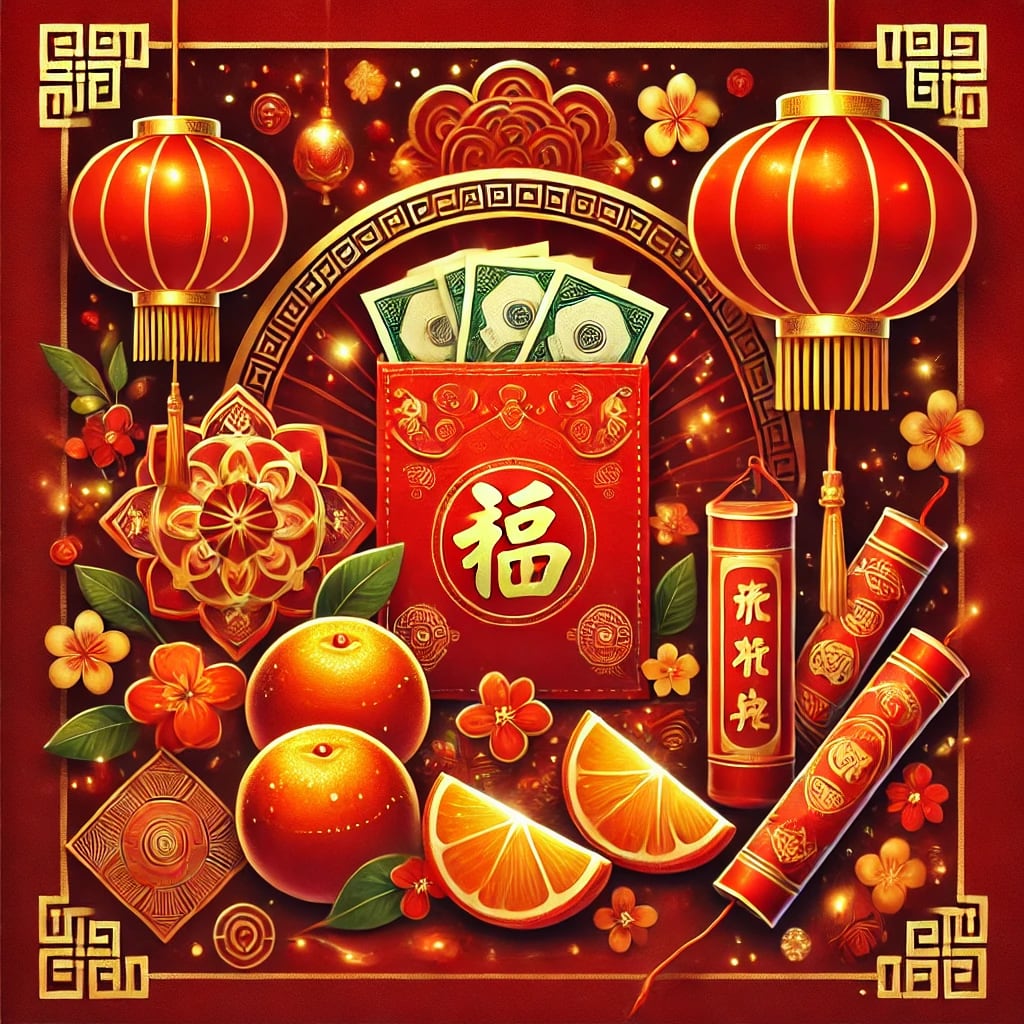
Chinese New Year, also known as Lunar New Year, is one of the most significant cultural celebrations in many Asian countries, including China, Singapore, Malaysia, and Vietnam. Among the many traditions observed during this festive season, the giving of red pockets (also known as “lai see” or “hangbao”) holds a special place. These vibrant red envelopes, filled with money, symbolize good fortune, prosperity, and blessings for the recipient. However, one common question that arises each year is: How much money should you put in a red pocket?
The Symbolism Behind Red Pockets
Before diving into the specifics of how much to give, it’s essential to understand the cultural significance of red pockets. The red color of the envelope represents luck and wards off evil spirits, while the money inside is seen as a token of goodwill and blessings. Traditionally, red pockets are given by married individuals to children, unmarried adults, and elders as a way to share good fortune.
The act of giving red pockets is more about the gesture and symbolism than the monetary value inside. That said, it’s important to consider cultural norms, relationships, and social expectations when deciding the amount to give.
Factors to Consider When Deciding the Amount
1. Relationship with the Recipient
The amount of money given often reflects the closeness of the relationship. For example:
- Immediate Family: Parents often give larger amounts to their children to symbolize their deep love and blessings.
- Extended Family: While still generous, the amounts given to cousins, nieces, and nephews may be slightly less than those for immediate family members.
- Friends and Acquaintances: The amount given to friends’ children or colleagues’ kids may be smaller, but the thought still counts.
2. Local Customs and Traditions
Different regions and families may have their own traditions regarding red pocket giving. In some areas, specific amounts may hold special significance. For instance:
In China, amounts like 6 (representing smoothness) or 8 (symbolizing prosperity) are considered lucky.
In contrast, amounts with the number 4 are often avoided as it sounds similar to the word for “death” in Mandarin and Cantonese.
3. Age of the Recipient
The recipient’s age also plays a role in determining the amount. Younger children typically receive smaller amounts, while teenagers and young adults may receive more substantial sums.
4. Personal Budget
While it’s important to adhere to cultural norms, you should also consider your financial situation. Giving within your means is perfectly acceptable, and the gesture itself is what truly matters.
Suggested Amounts for Red Pockets
To help you navigate the tradition, here are some general guidelines for determining how much to give:
1. Immediate Family Members
- Children: $20 to $100 per child, depending on your financial capacity and local customs.
- Parents or Grandparents: $100 to $500. Giving to elders is a way to show gratitude and respect.
2. Extended Family Members
- Nieces and Nephews: $10 to $50, depending on your relationship and the number of recipients.
- Cousins: $10 to $30, especially for younger cousins who are unmarried.
3. Friends’ Children and Acquaintances
$5 to $20 is a reasonable amount for children of friends, colleagues, or neighbors.
4. Employees or Helpers
If you have domestic helpers, giving them a red pocket is a thoughtful gesture. Amounts typically range from $20 to $50.
Dos and Don’ts of Red Pocket Giving
Dos:
- Choose New Bills: Crisp, new banknotes are considered auspicious and show respect for the tradition.
- Use the Right Numbers: Opt for lucky numbers like 6, 8, or combinations thereof (e.g., $88 for double prosperity).
- Prepare Enough Envelopes: Ensure you have enough red pockets prepared for all recipients to avoid awkward situations.
Don’ts:
- Avoid the Number 4: As mentioned earlier, it is considered unlucky due to its association with death.
- Don’t Reuse Old Envelopes: Always use fresh, clean red pockets to convey sincerity.
- Don’t Open Envelopes in Front of the Giver: It’s considered impolite to open red pockets immediately after receiving them.
Modern Trends in Red Pocket Giving
In recent years, the tradition of red pockets has evolved with technology. Many people now use digital payment platforms to send “virtual red pockets.” Apps like WeChat and Alipay have made it easy to send monetary blessings instantly, especially for recipients who are far away.
While the method of giving has changed, the principles of thoughtfulness and good fortune remain the same. Digital red pockets also allow for creative features, such as animations and personalized messages, adding a modern twist to the age-old tradition.
Final Thoughts
When it comes to giving red pockets during Chinese New Year, there’s no one-size-fits-all answer. The amount you choose should reflect your relationship with the recipient, local customs, and your personal financial situation. Ultimately, the spirit of the tradition lies in spreading joy, blessings, and good fortune, rather than the monetary value alone.
Whether you’re giving to immediate family, extended relatives, or acquaintances, the act of sharing red pockets fosters connection and goodwill, reinforcing the importance of family and community during this festive season. So, plan ahead, prepare your red envelopes, and embrace the joy of giving as you welcome a prosperous new year!
About the Creator
Minecraft APK Download (Android, Pro Unlocked)
Fast free Minecraft APK Download for Android. Get Minecraft Pocket Edition, mods, and the latest version. Enjoy building and exploring in Minecraft PE. NBS Reborn APK.
Keep reading
More stories from Minecraft APK Download (Android, Pro Unlocked) and writers in Journal and other communities.
Chinese Zodiac Compatibility: Your Best (and Worst) Match
Chinese Zodiac Compatibility: Your Best (and Worst) Match The Chinese zodiac, a centuries-old system rooted in ancient Chinese culture, assigns a specific animal sign to each year in a repeating 12-year cycle. These 12 animals—Rat, Ox, Tiger, Rabbit, Dragon, Snake, Horse, Goat, Monkey, Rooster, Dog, and Pig—each possess unique traits and characteristics. In addition to being a fascinating way to explore personality traits, the Chinese zodiac is also commonly used to assess compatibility between people, particularly in love and relationships. Understanding how these signs interact can help you gain insights into your best and worst matches.
By Minecraft APK Download (Android, Pro Unlocked)about a year ago in Journal
Technographic Data Enrichment: A Practical GDPR Compliance Guide
B2B sales and marketing teams have long relied on knowing who their prospects are. But increasingly, the sharper competitive edge comes from knowing what those prospects use—the software, platforms, and technologies running inside their organizations. That intelligence is technographic data, and it has become a cornerstone of modern go-to-market strategy.
By Metizsoft Inca day ago in Journal



Comments
There are no comments for this story
Be the first to respond and start the conversation.