
Real-World Examples of Technological Integration in Enterprise CX
Customer Experience

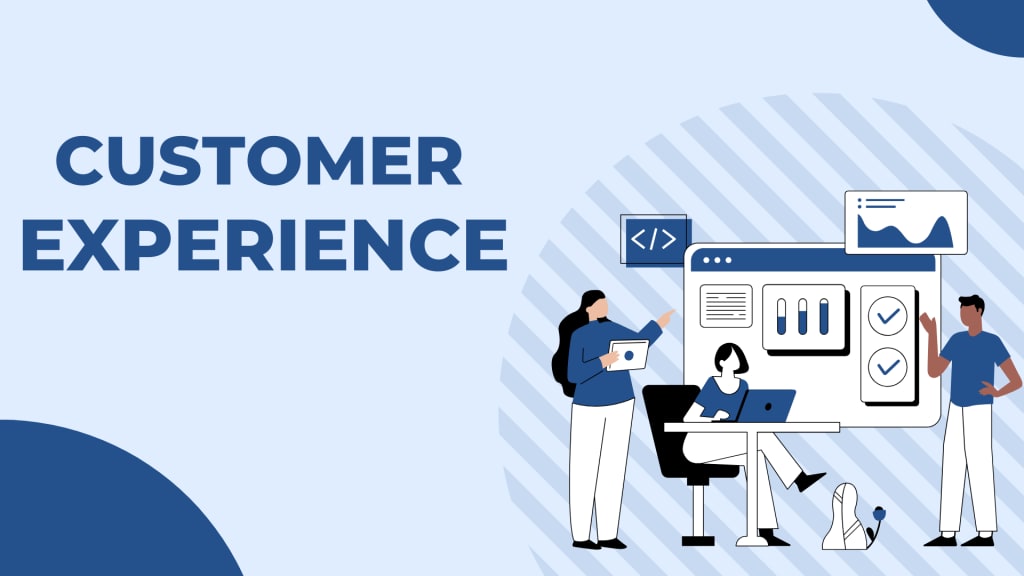
For establishing a strong foundation of customer experience transformation, it’s important to introduce users with easy-to-navigate technologies that they can understand, converse with, and use to attain their desired objectives efficiently.
Research also proves that when companies provide the optimum experience to the customers, they are more likely to continue using these self-service tools because they know these tools are the most efficient ways to complete a task.
In this blog, we’ll understand the real-world examples of technological integration in enterprise CX.
1. AI-Powered Personalization
Netflix has set a benchmark for delivering personalized user experiences. The company uses machine learning algorithms to analyze viewer behavior, preferences, and engagement patterns. This data helps Netflix recommend tailored content for each user, ensuring high levels of customer satisfaction.
By integrating AI into its CX strategy, Netflix has:
- Increased content consumption by matching users with relevant titles.
- Reduced churn rates by offering a curated experience.
- Enhanced customer loyalty through consistent personalization.
2. Omnichannel CX
The leading coffee chain Starbucks uses omnichannel customer experience strategies with its rewards program. It is an excellent illustration of how omnichannel technology can improve customer experience (CX) by smoothly integrating it across platforms, enabling users to:
- Order and pay in advance.
- Earn and redeem loyalty points.
- Track rewards in real-time.
Key results:
- Boost in-app engagement and in-store traffic.
- Improved operational efficiency during peak hours.
- Strengthened customer relationships through loyalty incentives.
Also Read: Implementing Omnichannel Logistics with Integrated IT Solutions
3. IoT in Retail
In the US retail chain, Walmart has adopted the Internet of Things (IoT) to transform its in-store experiences. The installation of smart shelves with weight sensors is one prominent use case.
These shelves help in various ways, such as:
- Alert employees when stock levels are low.
- Increase client satisfaction by preventing stockouts.
4. Predictive Analytics in Hospitality
Marriott International anticipates visitor preferences and customizes their stays by utilizing predictive analytics. The business incorporates information from social media activity, booking trends, and loyalty programs to produce customized services.
For example, based on their past travel experiences, guests may receive personalized promotional emails or suggestions for accommodation upgrades.
In sectors like hospitality, where success depends on personalization, predictive analytics demonstrates how actionable insights may improve customer experience.
5. Voice Technology in Banking
Capital One has embraced voice technology through its integration with Amazon Alexa. Customers can interact with their accounts using voice commands, such as:
- Checking account balances.
- Monitoring recent transactions.
- Paying bills effortlessly.
This integration has made banking more accessible and convenient for users, reflecting Capital One’s commitment to innovative CX solutions.
Outcomes:
- Improved customer engagement with hands-free interactions.
- Strengthened brand loyalty through technology-driven convenience.
For financial institutions, adopting voice-enabled technologies can redefine the way customers manage their finances.
6. Self-Service Kiosks
McDonald's self-service kiosks have opened up new avenues for personalization and upselling by analyzing customer preferences.
By providing individualized suggestions and customization choices, McDonald's has been able to:
- Increase order size and revenue
- Cater to individual preferences
- Create a more satisfying meal experience for customers
Customers can peruse the menu through the self-service portal, select their preferred items, and customize their orders without feeling rushed. This autonomy empowers users and improves overall satisfaction.
McDonald's self-service kiosks offer various user-friendly features that enhance the customer experience, such as:
- Intuitive interface
- Touchscreen functionality
- Clear instructions
- Visual representation of menu items
- Customization options
- Payment flexibility
- And multilingual support
The kiosk software solutions are designed with the customer journey in mind. They allow customers to browse the menu, select their desired items, and customize their orders at their own pace.
Conclusion
In the public sphere, technology integration is nothing new. Self-checkouts in supermarkets and self-check-ins at airports are ubiquitous across the globe. However, consumers get more at ease with these solutions as they become more integrated into our daily lives.
To stay competitive, businesses must constantly innovate and adjust to shifting consumer demands. Collaborate with a customer experience consulting company to design memorable and effective customer experiences.
About the Creator
Richard Duke
I am a software Developer in Successive Digital responsible for creating, testing, and deploying complete web & mobile applications. We work with various technologies such as databases, web servers, and programming languages.
Keep reading
More stories from Richard Duke and writers in Journal and other communities.
Digital Transformation in Customer Experience:
The focus of digital transformation in delivering customer experience (CX) is on using technology to enhance, customize, and expedite communications between companies and their customers. Businesses may anticipate consumer demands, address problems more quickly, and cultivate relationships that increase loyalty by utilizing customer experience strategy tools.
By Richard Duke about a year ago in Journal
~ Fired ~
— Ai Intrusion ~ Are you Next ~ Is Ai Evolution after your job? — Few workplaces haven't been affected. Ai is in supermarkets, at doctors' offices, and even monitoring farms. I just can't think of anything this machine is not getting into, can you? For instance: Education ~ Law and Tech jobs will one day have a major influence or be taken over by these inanimate machines, with accuracy and vigor. From mechanics' diagnoses to a wide variety of everyday jobs, including fast food workers, with this input having the ability to cut their unnecessary work hours. I'm certain all of us have been touched by this with our short stories and colorful headings, have you? Even comments are very questionable 'Non-Robot' insertions.
By Jay Kantor3 days ago in Journal


Comments
There are no comments for this story
Be the first to respond and start the conversation.