
Prince Andrew, the Epstein Scandal, and the Ongoing Impact on the British Monarchy
Royal Crisis Revisited

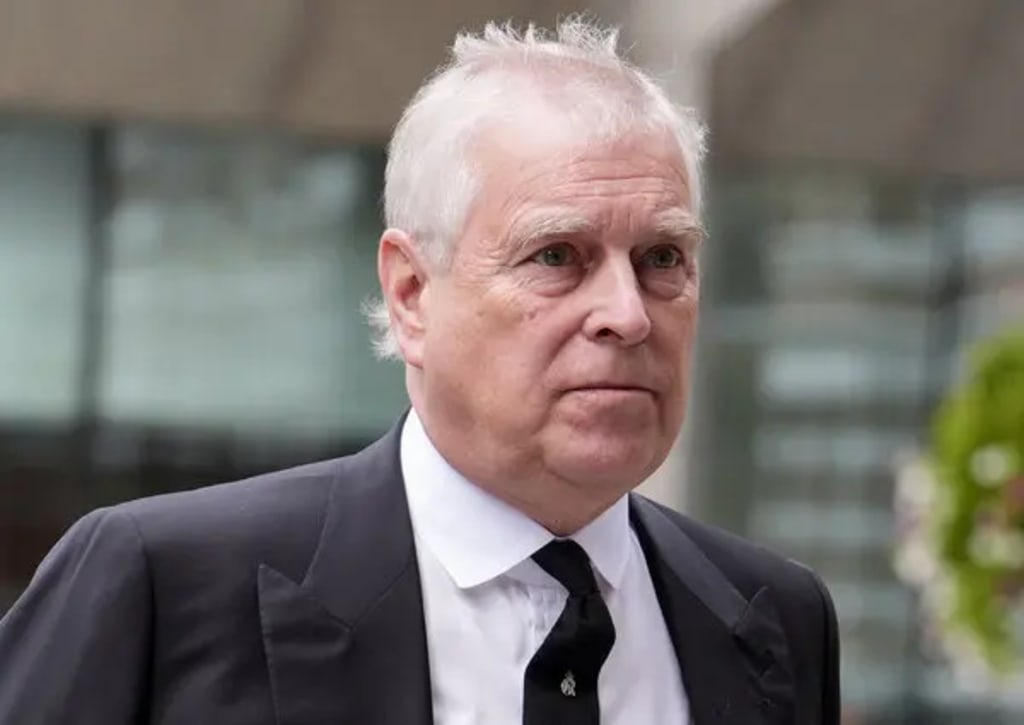
The British monarchy has weathered wars, abdications, divorces, and global scrutiny. But few modern controversies have shaken public confidence like the scandal involving Prince Andrew and his association with Jeffrey Epstein.
While recent rumors of an arrest are unverified, the Duke of York’s connection to Epstein continues to generate public debate, renewed media interest, and ongoing questions about transparency, accountability, and the future of the monarchy.
Let’s break down what actually happened, why it mattered, and how the fallout continues to shape the royal institution.
Who Is Prince Andrew?
Prince Andrew, Duke of York, is the third child of the late Queen Elizabeth II and the younger brother of King Charles III.
For decades, he was seen as a senior working royal, representing the UK abroad in trade and diplomatic engagements. However, his reputation dramatically shifted following revelations about his relationship with Jeffrey Epstein.
The Epstein Connection: How It Began
Jeffrey Epstein, an American financier, was arrested in 2019 on federal sex trafficking charges. His arrest and subsequent death in jail reignited scrutiny of his powerful network of associates.
Prince Andrew acknowledged that he had met Epstein and maintained a friendship with him, even visiting Epstein’s properties after Epstein had already been convicted in 2008 of sex-related offenses.
That decision would prove devastating to his public standing.
The BBC Newsnight Interview That Changed Everything
In November 2019, Prince Andrew gave a now-infamous interview on BBC’s Newsnight program.
Instead of easing public concerns, the interview intensified criticism. His explanations regarding his continued contact with Epstein and his responses to allegations were widely viewed as lacking empathy and accountability.
The backlash was swift.
Within days, Prince Andrew stepped back from public royal duties.
The Civil Lawsuit and Settlement
In 2021, Virginia Giuffre filed a civil lawsuit in the United States alleging sexual abuse. Prince Andrew denied the allegations.
In February 2022, the case was settled out of court. The settlement included a financial payment but did not involve an admission of liability.
Although the legal case concluded, reputational damage remained significant.
The Loss of Royal Titles and Military Roles
Following the controversy:
Prince Andrew lost his honorary military titles.
He stepped away permanently from official royal duties.
He no longer represents the monarchy in a public capacity.
This marked one of the most dramatic modern reductions of royal status for a senior member of the family.
Why the Epstein Files Continue to Matter
The so-called “Epstein files” — court documents, flight logs, and investigative records — continue to surface periodically, fueling speculation and media cycles.
Even when no new charges are filed, renewed document releases often reignite debate about:
Institutional accountability
Transparency for powerful figures
The relationship between elites and justice systems
Public trust in monarchy and government
The Prince Andrew controversy is often referenced whenever new Epstein-related documents are discussed.
How This Affected the British Monarchy
The British monarchy relies heavily on public support. Unlike elected officials, its legitimacy comes from tradition, symbolism, and trust.
The scandal forced the royal family to make difficult decisions:
Public distancing from Prince Andrew
Institutional damage control
Protecting the image of King Charles III’s reign
Managing media scrutiny during a period of transition
For many observers, this was a stress test of how modern monarchies handle scandal in the digital age.
The Role of Social Media and 24/7 News Cycles
Unlike past royal crises, this controversy unfolded in an era of:
Instant global reporting
Viral video clips
Online document leaks
Social media commentary
Public perception shifted rapidly.
Every resurfaced document or interview clip can trend worldwide within hours.
This has fundamentally changed how the monarchy manages reputational crises.
Why Arrest Rumors Spread Quickly
When high-profile figures are linked to controversial investigations, rumors often spread faster than verified facts.
In today’s environment:
A single misleading headline can go viral.
Speculative posts can appear authoritative.
SEO-optimized misinformation can rank in search results.
That’s why verifying information through trusted sources remains critical.
As of now, there is no confirmed arrest of Prince Andrew in 2026 tied to Epstein files.
The Bigger Picture: Accountability in the Age of Transparency
The Prince Andrew controversy represents something larger than one individual.
It reflects:
Public demand for accountability regardless of status
Declining tolerance for elite immunity
Growing skepticism toward institutions
Increased scrutiny of historical associations
The case also highlights how reputational consequences can occur even when criminal charges are not filed.
What Happens Next?
While Prince Andrew no longer serves as a working royal, public interest remains.
Future developments could include:
Additional document releases
Continued media analysis
Historical reassessment of the monarchy’s response
But any claims of arrest or new charges must come from verified legal authorities before being treated as fact.
Final Thoughts: Crisis, Consequences, and the Future of the Monarchy
The Epstein scandal was one of the most significant modern crises faced by the British royal family.
It forced institutional change.
It reshaped one prince’s public life permanently.
And it exposed how fragile public trust can be in the digital era.
As rumors circulate, responsible reporting and verified information matter more than ever.
Because in moments of controversy, facts—not speculation—must lead the story.
About the Creator
Omasanjuwa Ogharandukun
I'm a passionate writer & blogger crafting inspiring stories from everyday life. Through vivid words and thoughtful insights, I spark conversations and ignite change—one post at a time.
Keep reading
More stories from Omasanjuwa Ogharandukun and writers in Journal and other communities.
Robert Mugabe Jr Detained by Police — What It Means for South Africa-Zimbabwe Relations and the Mugabe Legacy
When your surname is Mugabe, privacy becomes a luxury you rarely enjoy. Every movement, every decision, and every controversy attracts attention far beyond ordinary scrutiny. That reality came sharply into focus again as news broke of the arrest of Robert Mugabe Jr., son of Zimbabwe’s late strongman leader.
By Omasanjuwa Ogharandukunabout 11 hours ago in Journal
From Data to Direction: The Strategic Analytics Approach of Nathan Haslick
Navigating an Information Saturated World Organizations today operate in an environment defined by constant data generation. Customer behavior, operational performance, digital engagement, and financial activity all produce streams of measurable information. Yet despite the abundance of metrics, leaders often struggle with a different problem: determining what truly matters.
By Nathan Haslick3 days ago in Journal
Winterthorne
Winterthorne stood alone at the edge of the park. The beautiful snow that had surrounded him was all trampled now, from the feet of all of the children who had built him. He missed the sparkly clean snow blanket, but he was happy that so many children had come out to make him.
By Laura DePaceabout 24 hours ago in Fiction



Comments
There are no comments for this story
Be the first to respond and start the conversation.