
Porcelain Tile Sealer Guide: What Works Best
Find the best tips for sealing porcelain tiles, types of sealers, and common mistakes to avoid for lasting tile protection.

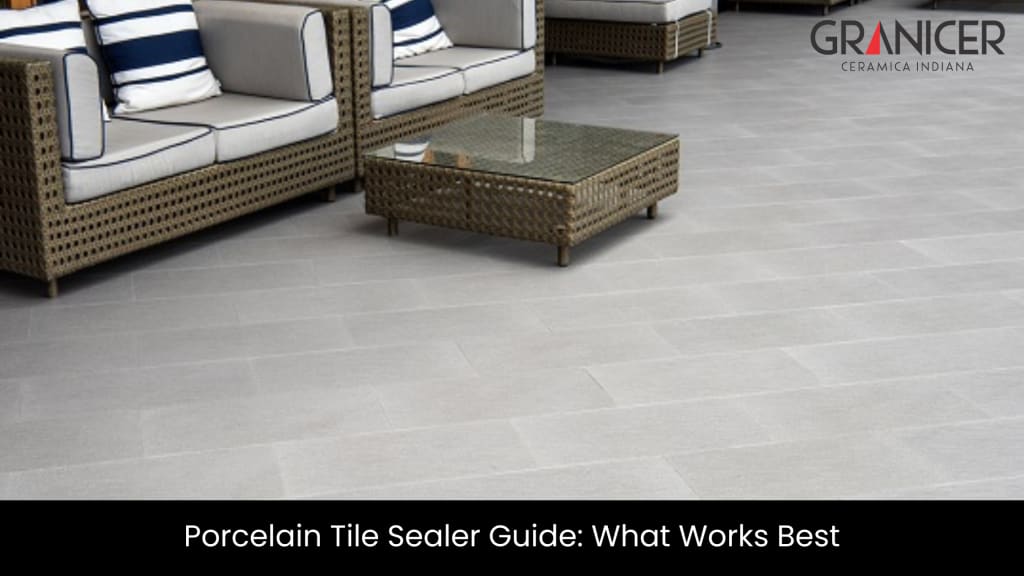
When installing new porcelain tiles, one key consideration is whether or not to seal them and which treatment is best suited for them. Sealing can significantly extend the life of tiles and grout by reducing their absorbency and increasing efficiency. Adding a layer of protection makes your tiles more resistant to stains, dirt, moisture, and everyday wear and tear.
Do porcelain tiles need sealing? While sealing offers numerous benefits, not every type of porcelain tile requires it. Properly sealed tiles and grout maintain their appearance over time and are much easier to clean and care for.
Naturally, porous grout can absorb stains quickly, so sealing it once it's fully set is essential. However, the same rule doesn't always apply to all tile surfaces, and knowing which ones need sealing can make a big difference.
In this blog, we'll explore the dos and don'ts of sealing porcelain tiles, giving you all the insight you need to make the right choice for your home and tiles.
Types of Sealers for Porcelain and Ceramic Tiles: What You Should Know
When it comes to sealing porcelain and ceramic tiles, there are two main types of sealers: penetrating sealers and topical sealers. Each works in a different way and is suitable for specific types of tiles. Let's break them down.
1.Penetrating Sealers: Invisible Protection
Penetrating sealers, also known as impregnating sealers, soak into the tile's surface without changing its appearance. These sealers are perfect for more porous materials like natural stone, unglazed tiles, and saltillo. Since they don't form a film on the surface, they protect the tiles while maintaining their natural beauty.
These sealers work by creating a barrier inside the tile that blocks moisture and stains but still allows the surface to breathe. This makes them an excellent choice for maintaining the original look of your tiles without any noticeable changes.
2. Topical Sealers: Surface Coating with a Finish
Topical sealers, on the other hand, create a protective layer on top of the tile. They form a visible coating that acts as a barrier against water, dirt, and stains. Unlike penetrating sealers, topical sealers can change the look of your tiles. They come in different finishes, like glossy, matte, or satin, so you can enhance the tile's appearance while protecting it.
One of the benefits of topical sealers is that they can add color depth or a shiny finish to your tiles, giving them a fresh, polished look. They can also be used to increase traction and reduce slipping, especially in areas that get wet often, like bathrooms or kitchens.
Key Points to Consider When Selecting a Sealer for Porcelain Tiles
Choosing the suitable sealer for your porcelain tiles is crucial for keeping them looking great and well-protected. There are several factors to think about before deciding which sealer is the best fit. Here's a breakdown of what to keep in mind:
Tile Location: Indoor vs. Outdoor
The area where your tiles are installed significantly determines the type of sealer you'll need. For tiles outdoors, you'll want a sealer that protects against weather, water, and UV rays. On the other hand, indoor tiles, especially in high-traffic areas like kitchens and bathrooms, require a durable sealer that can handle frequent use and resist spills and stains.
Tile Surface Type
Not all tiles have the same surface, so you need to match the sealer to the finish of your tiles. Glazed porcelain tiles often don't require sealing, but unglazed or polished porcelain may benefit. The sealer should complement the type of tile you're working with to ensure maximum protection.
Ease of Application
Consider how easy the sealer is to apply. Some sealers are quick and straightforward, requiring only one coat, while others may need multiple layers for full coverage. If you're looking for convenience, a one-step sealer might be the way to go. However, more robust sealers that require a bit more effort can offer better long-term protection.
Durability and Reapplication
Think about how long the sealer will last before reapplication is needed. Penetrating sealers generally last longer and require less maintenance, while topical sealers may need to be reapplied more frequently, especially in busy areas. Choosing a sealer with good longevity can save you time and effort in the future.
Visual Impact on Tiles
Sealers can also affect the look of your tiles. Some sealers keep the tile's natural appearance intact, while others may add a glossy or matte finish. Be sure to select a sealer that aligns with your aesthetic preferences—whether to enhance the tile's shine or maintain its original look.
Step-by-Step Guide to Sealing Porcelain Tiles
Step 1: Prep the Tiles with a Good Cleaning
Before you start sealing, it's essential to ensure the tiles are spotless. Clean them with a gentle detergent or tile cleaner, using a soft brush or sponge to scrub away dirt and dust. Rinse with clean water and let the tiles dry completely before proceeding.
Step 2: Do a Small Sealer Test
To avoid unwanted results, test the sealer on a small, hidden section of the tile or a spare one. This helps you check if the sealer is compatible and gives you the finish you want before applying it across the entire surface.
Step 3: Apply the Sealer Evenly
Using a brush, roller, or sprayer, begin applying the sealer in even strokes. Work methodically from one corner to another to avoid missing spots. Be sure to avoid leaving too much sealer in one area, as this can lead to uneven drying or streaking.
Step 4: Let the Sealer Set
For penetrating sealers, let the product sit on the tile's surface to allow it to absorb into the pores. The amount of time needed will depend on the specific product, so check the instructions carefully.
Step 5: Remove Leftover Sealer
Once the sealer has had time to soak in, gently wipe away any excess using a clean, lint-free cloth. Use circular motions to remove all residue and prevent streaks or a sticky surface from forming.
Step 6: Grout and Let It Cure
Once the sealing process is done, you can grout the tiles. Follow the grout manufacturer's instructions and allow it to cure properly. This extra drying time will also benefit the tiles.
Step 7: Add Extra Coats (Optional)
If your sealer recommends multiple coats for better protection, apply additional layers after the first coat has dried and the grout is fully cured. Be sure to let each layer dry thoroughly before applying the next one.
Common Mistakes to Avoid When Sealing Porcelain Tiles
Sealing porcelain tiles can be straightforward, but there are a few common errors that people make along the way. By avoiding these mistakes, you can ensure your tiles remain protected and look their best.
Sealing Glazed Tiles When It's Not Needed
Not all tiles need sealing, and glazed porcelain tiles are often already protected. Applying sealer to these tiles is unnecessary and can even leave a sticky residue. Always check if your tiles require sealing before starting the process.
Sealing Wet Tiles
One of the most common mistakes is sealing a surface that has yet to dry thoroughly. Moisture trapped under the sealer can cause it not to bond correctly, leading to a weak finish that may peel or flake. Make sure the tiles are completely dry before applying any sealer.
Choosing the Wrong Sealer for the Tile Type
Not all sealers are created equal; using the wrong one for your tile finish can lead to poor results. For example, penetrating sealers are great for porous tiles. However, topical sealers are better for surfaces requiring an extra protection layer. Always match the sealer to the type of tile you're working with.
Forgetting to Reapply Sealer When Needed
Sealers only last a while, and forgetting to reapply them when necessary can leave your tiles vulnerable to damage. Follow the manufacturer's recommendations and reapply the sealer to protect your tiles.
Ensuring Long-Lasting Protection for Your Porcelain Tiles
Sealing large-format porcelain tiles or glazed vitrified tiles (GVT) can significantly extend their life and keep them looking fresh for years. The suitable sealer, paired with careful application, reduces the need for constant maintenance and helps protect against damage, stains, and daily wear.
Whether you are working with standard porcelain or the more durable GVT, choosing the proper sealer for your tile finish is essential. By partnering with a reliable porcelain tile company, you can ensure that you get the best products and guidance for your project, making sure your tiles stay protected and beautiful over time.
About the Creator
Rutvik Gami
I work as a manager at Granicer Ceramica Indiana, Asia's largest porcelain slab and tile manufacturers. With a focus on cutting-edge technology and exquisite craftsmanship, we offers a wide range of premium porcelain slabs and tiles.
Keep reading
More stories from Rutvik Gami and writers in Journal and other communities.
Tips for Choosing Large Porcelain Slabs for Interiors
When it comes to interior design, the materials you select play a crucial role in defining both the look and functionality of your space. Large porcelain slabs, with their growing popularity, offer a unique blend of durability and style. Their clean, modern lines and minimal grout seams can instantly transform any room into a sophisticated, seamless environment.
By Rutvik Gamiabout a year ago in Journal
~ Fired ~
— Ai Intrusion ~ Are you Next ~ Is Ai Evolution after your job? — Few workplaces haven't been affected. Ai is in supermarkets, at doctors' offices, and even monitoring farms. I just can't think of anything this machine is not getting into, can you? For instance: Education ~ Law and Tech jobs will one day have a major influence or be taken over by these inanimate machines, with accuracy and vigor. From mechanics' diagnoses to a wide variety of everyday jobs, including fast food workers, with this input having the ability to cut their unnecessary work hours. I'm certain all of us have been touched by this with our short stories and colorful headings, have you? Even comments are very questionable 'Non-Robot' insertions.
By Jay Kantor7 days ago in Journal
The Lesions of Devotion
Every day I set myself down on the freshly cut lawn and strip myself bare. I take my guitar and finger the frets and pick at the strings, listening for dissonance. My life is dissonance. I twist the tuning pegs until each string sounds bright. Then I kneel, calves pointing behind me, kneecaps facing forward. All exposed to the breeze. I close my eyes and play the melody.
By Paul Stewarta day ago in Fiction



Comments
There are no comments for this story
Be the first to respond and start the conversation.