
Plug & Play AI? The Truth About Enterprise Integration
AI For Enterprise

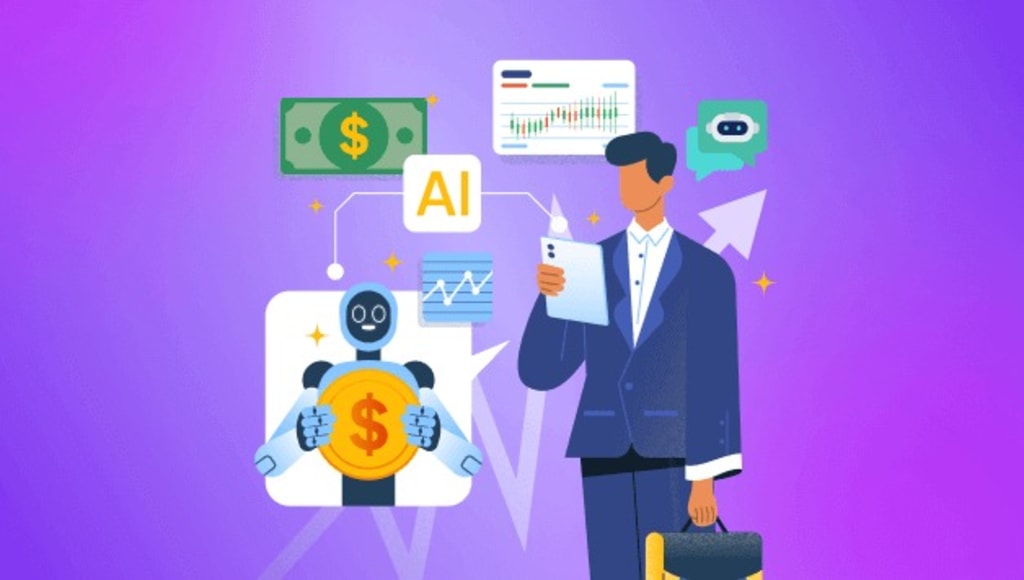
As AI continues to gain traction, many companies are eager to unlock its potential. As more organizations look to boost efficiency and decision-making with Enterprise AI, the concept of "plug & play" artificial intelligence sounds appealing. But how realistic is this idea in the real world of large-scale business systems? Let’s explore what AI integration in enterprise truly involves and whether seamless implementation is possible.
What AI Integration in Enterprise Really Means
AI integration in enterprise refers to embedding artificial intelligence technologies into existing business systems to improve productivity, automate tasks, and support decision-making. This can include everything from machine learning algorithms in customer support to predictive analytics in supply chain management.
Unlike basic software installs, AI requires tailored deployment that considers:
- Data availability and quality
- Legacy system compatibility
- Security and compliance requirements
- Staff training and change management
Plug-and-play AI sounds appealing, but effective integration involves multiple stages of planning, testing, and scaling.
Key Benefits of AI Integration in Enterprise
When executed correctly, AI brings measurable improvements across departments:
1. Improved Efficiency: Automating routine tasks like data entry, scheduling, and reporting.
2. Better Insights: Using AI to analyze large datasets for trends and forecasting.
3. Customer Experience: Enhancing personalization and response times through AI-driven chatbots or recommendation engines.
4. Cost Reduction: Streamlining operations and reducing manual effort with enterprise automation tools.
Challenges Businesses Face with AI Integration
Despite its benefits, AI integration in enterprise settings is rarely smooth. Here are common hurdles:
1. Lack of Data Readiness
AI systems need clean, well-structured data. Many businesses struggle with fragmented or siloed information that hinders performance.
2. Complexity of Legacy Systems
Integrating AI with outdated infrastructure can be time-consuming and costly, often requiring full system upgrades.
3. Talent and Skills Gaps
AI projects require expertise in data science, machine learning, and DevOps—skills not always available in-house.
4. Unrealistic Expectations
The misconception that AI is instant or automatic leads to disappointment. It’s a strategic investment, not a quick fix.
Best Practices for Seamless AI Deployment
To achieve effective AI deployment for businesses, consider the following strategies:
a. Start Small: Launch pilot projects before full-scale implementation.
b. Define Goals: Align AI applications with specific business objectives.
c. Choose Scalable Tools: Invest in adaptable enterprise automation tools that can grow with your business.
d. Ensure Data Quality: Prioritize data hygiene and governance.
e. Train Teams: Prepare staff for the changes AI will bring.
Role of an AI Development Company
Working with an experienced AI Development Company can make or break your AI strategy. These specialists provide:
- Customized AI model development
- System integration with your existing platforms
- Ongoing monitoring, testing, and updates
- Compliance with data regulations (GDPR, HIPAA, etc.)
They also ensure that your implementation is cost-effective, scalable, and tailored to your unique workflows.
Use Cases of Enterprise AI in Action
Here are a few real-world examples of AI integration in enterprise settings:
i. Retail: Inventory forecasting using AI to predict demand fluctuations.
ii. Healthcare: Diagnostic support tools for imaging and patient data analysis.
iii. Finance: Fraud detection and risk assessment using machine learning.
iv. Manufacturing: Predictive maintenance based on sensor data analytics.
These examples demonstrate how AI is not only automating tasks but also improving strategic decision-making.
Conclusion: Enterprise AI Needs Strategy, Not Shortcuts
While the idea of plug-and-play AI is attractive, the reality is that AI integration in enterprise environments takes planning, customization, and collaboration. It’s not just about adopting the latest technology—it's about embedding it into your infrastructure in a way that delivers sustainable results.
If your business is exploring Enterprise, be prepared to invest in data readiness, technical infrastructure, and cross-functional alignment. Avoid the illusion of quick fixes—true transformation comes from thoughtful integration, not off-the-shelf tools.
About the Creator
Anil Parmar
I’m Anil Parmar, co-founder of Glorywebs. I enjoy blogging about business growth, technology, and marketing insights to help others succeed in the digital world.
Keep reading
More stories from Anil Parmar and writers in Journal and other communities.
What’s a Good CTR for Local Ads? Benchmarks for 2025
If you're investing in SEM Local strategies, understanding what defines a good CTR for local ads is essential to evaluating campaign success. Click-through rate (CTR) measures how many people clicked your ad compared to how many saw it. It's a critical signal for relevance, engagement, and ad quality especially in competitive local markets.
By Anil Parmar10 months ago in Journal



Comments
There are no comments for this story
Be the first to respond and start the conversation.