
Period Blood Clots: A Concern?
When to Worry and What Your Menstrual Clots Could Be Telling You

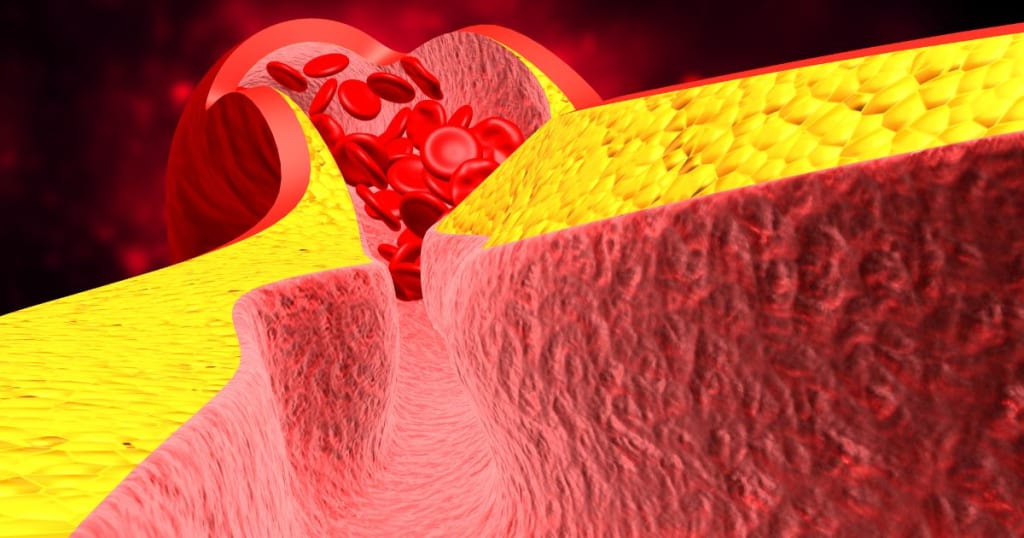
Blood clots during menstruation are a common incidence among many women and mostly are a natural part of the menstrual cycle. However, attention is required for more frequent or larger clots as they can be signs of underlying health issues. These clots are thick and gel-like clumps of coagulated blood and tissue expelled from the uterus during menstruation. They may range in size from small clots to more concerning larger ones.
Causes of Period Blood Clots
Heavy Menstrual Flow
Clots are usually experienced by women when they have heavier menstrual flow. This is because when the flow is heavy, blood accumulates in the uterus faster than the human body can break it down, thereby leading to clot formation.
Uterine Fibroids
These are non-cancerous growths in a woman’s uterus that may cause heavy periods and blood clots. They can obstruct the normal blood flow, thereby causing increased clotting.
Endometriosis and Adenomyosis
Endometriosis is a condition where the tissues that line the inner walls of the uterus grow outside of it. On the other hand, adenomyosis occurs when such tissue grows into the muscular walls of the uterus. These conditions can lead to heavy, painful periods as well as more blood clots.
Hormonal Imbalances
Any kind of imbalance in progesterone and estrogen levels can lead to heavier periods and clot formation. Hormonal changes are common in women during puberty, perimenopause or when they suffer from conditions like polycystic ovary syndrome.
Symptoms of Period Blood Clots
The main symptom of period blood clots is the presence of dark, thick clumps in the menstrual blood. The other symptoms may include the following:
- Heavy menstrual bleeding
- Severe cramps and pelvic pain
- Longer periods that last for above seven days
- Fatigue due to severe blood loss
- Large clots
Diagnosis of Period Blood Clots
It is crucial to consult a healthcare provider if you experience unusually large or frequent blood clots during your periods. In order to understand the problem, you may be asked about your menstrual cycle, medical history and symptoms. In addition, the following diagnostic tests may be done to understand the problem better:
- Pelvic exam
- Ultrasound
- Blood tests
- Endometrial biopsy
Treatment of Period Blood Clots
Medications
Hormonal Therapy: Hormonal IUDs, birth control pills and patches help to regulate hormone levels while reducing heavy bleeding.
Nonsteroidal Anti-inflammatory Drugs: Ibuprofen and other medications help in reducing bleeding and alleviating cramps.
Tranexamic Acid: This medicine helps in promoting clot formation in the blood vessels thereby reducing heavy bleeding.
Surgical Procedures
Myomectomy: This removes the fibroids from the uterus if tests show that they are causing heavy bleeding and clots.
Endometrial Ablation: This is a procedure to destroy or remove the uterus lining to reduce heavy periods or stop it.
Hysterectomy: Removal of the uterus may be advised in severe cases when other treatments prove ineffective.
Lifestyle Changes
Staying physically active, managing stress and maintaining a healthy weight helps in regulating hormone levels while reducing heavy bleeding.
Thus, period blood clots are usually a natural part of menstruation, particularly during heavy flow. However, it may be a cause of concern if accompanied by other symptoms like excessive bleeding or severe pain. Diagnosing the condition early and seeking appropriate treatment can help women manage their symptoms better and improve their overall quality of life.
About the Creator
Amit Vats
Amit is an excellent writer and has accomplished greater heights with sound knowledge on digital marketing. His articles are focused on technology, healthcare and creative arts and have been read by people around the world.
Author’s Advice
If you would’ve asked me 20 years ago did I know I’d become a writer and an author, I would’ve said “nope, ain’t happening”. As fate would have it I did become an author and I can honestly say I’m loving it so far. It really does feel good to be a writer. I’ve learned a lot on this journey and I feel like with even me being as new to this world as I am, there’s some wisdom I need to share with every other aspiring author.
By Joe Patterson2 days ago in Journal



Comments
There are no comments for this story
Be the first to respond and start the conversation.