
PepsiCo’s Drink Sales Rebound as the Company Plans to Cut Snack Prices
As beverage demand rises, PepsiCo aims to ease consumer pressure by lowering snack prices amid inflation concerns
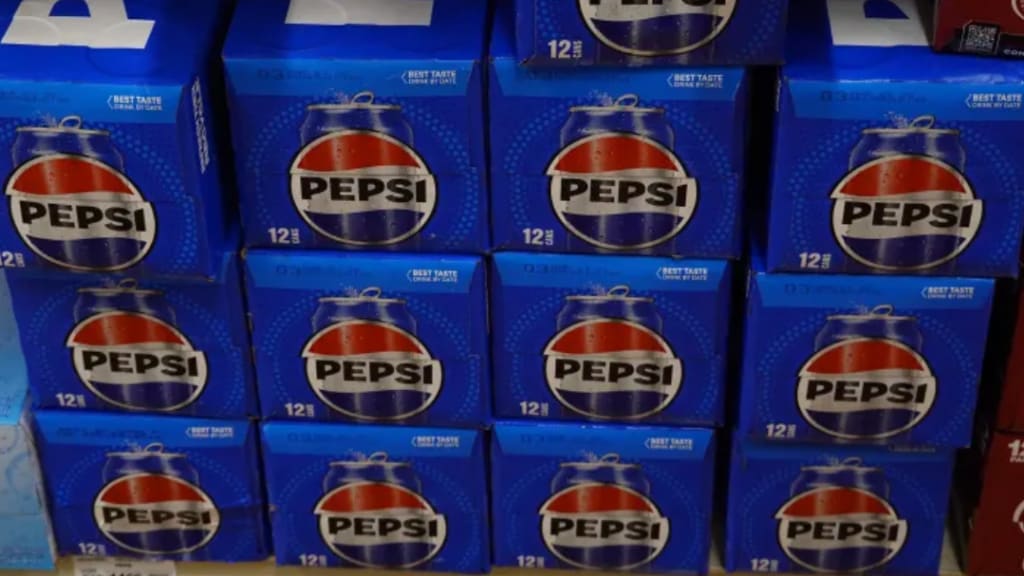
PepsiCo, one of the world’s largest food and beverage companies, is showing signs of recovery in its beverage business while preparing to reduce prices on its snack products. This strategic shift comes at a time when consumers are increasingly cautious about spending due to inflation and economic uncertainty. By improving drink sales and adjusting snack pricing, PepsiCo is attempting to strike a balance between profitability and customer affordability, positioning itself strongly in a highly competitive global market.
PepsiCo’s Beverage Sales Are Improving
In recent months, PepsiCo has reported encouraging growth in its beverage segment. Drinks like Pepsi, Mountain Dew, Gatorade, and other popular brands have seen stronger demand, particularly in North America and international markets. This rebound is significant because beverage sales had previously slowed due to higher prices and changing consumer habits.
Consumers have become more selective, often choosing cheaper private-label products or reducing discretionary spending. However, PepsiCo’s investments in marketing, product innovation, and distribution have helped revive interest in its beverage lineup. The company has also introduced new flavors, healthier drink options, and functional beverages that cater to evolving consumer preferences.
The improvement in drink sales suggests that PepsiCo’s brand strength remains resilient despite economic challenges. Beverages are often considered daily essentials, making them less sensitive to price fluctuations compared to snack products.
Why PepsiCo Plans to Cut Snack Prices
While drink sales are improving, PepsiCo’s snack segment has faced pressure. Brands like Lay’s, Doritos, Cheetos, and Quaker have experienced slower sales growth as consumers react to rising prices. Over the past few years, PepsiCo increased snack prices to offset rising costs for raw materials, transportation, and labor. However, these price hikes have led some customers to reduce purchases or switch to cheaper alternatives.
To regain market share and boost sales volume, PepsiCo plans to cut snack prices. This move is a strategic response to changing consumer behavior and increasing competition from store brands and smaller companies. Lowering prices could encourage consumers to return to familiar brands, driving higher sales volumes even if profit margins per item decline.
The Impact of Inflation on Consumer Spending
Inflation has significantly affected how people shop for food and beverages. Rising grocery prices have forced consumers to prioritize essential items and cut back on premium or impulse purchases. Snacks, often considered discretionary, are among the first products consumers reduce when budgets tighten.
PepsiCo’s decision to cut snack prices reflects a broader trend in the consumer goods industry. Companies are recognizing that persistent price increases can lead to declining demand. By adjusting prices, PepsiCo aims to maintain customer loyalty and prevent long-term brand erosion.
Competition in the Snack and Beverage Industry
The global snack and beverage market is highly competitive, with major players like Coca-Cola, Nestlé, Mondelez, and Kellogg’s constantly innovating and adjusting pricing strategies. Private-label brands from supermarkets and discount retailers have also gained popularity due to their lower prices.
PepsiCo’s pricing strategy is designed to protect its market position against these competitors. By making snacks more affordable, the company can retain customers who might otherwise switch to cheaper alternatives. At the same time, strong beverage sales provide a financial cushion to support this pricing adjustment.
Strategic Balance Between Profit and Volume
Lowering snack prices could reduce profit margins in the short term, but PepsiCo is betting on higher sales volume to compensate. This strategy is common in the consumer packaged goods industry, where companies must balance profitability with market share.
If successful, the price cuts could lead to increased shelf presence, stronger retailer partnerships, and improved brand loyalty. Additionally, higher sales volumes can help PepsiCo optimize production and distribution efficiency, potentially lowering costs over time.
Innovation and Product Diversification
PepsiCo continues to invest in innovation to stay ahead of changing consumer preferences. The company has expanded its portfolio to include healthier snack options, plant-based products, and low-sugar beverages. These innovations appeal to health-conscious consumers and younger generations who prioritize wellness and sustainability.
By combining price adjustments with product innovation, PepsiCo aims to attract a broader customer base. Affordable pricing can draw cost-conscious shoppers, while new products can capture emerging market segments.
Global Market Implications
PepsiCo operates in more than 200 countries, and its pricing strategy may vary across regions. Emerging markets, where consumers are more price-sensitive, could benefit significantly from snack price reductions. In developed markets, competitive pricing can help PepsiCo maintain dominance against rivals.
Currency fluctuations, local economic conditions, and regional consumer trends will also influence how PepsiCo implements its pricing strategy globally. However, the overall goal remains the same: maintain growth and strengthen brand loyalty.
Investor and Market Reaction
Investors closely watch pricing strategies because they directly impact revenue and profit margins. PepsiCo’s improving beverage sales are a positive signal, indicating strong demand and brand resilience. However, snack price cuts could raise concerns about profitability.
Analysts generally view the move as a long-term growth strategy rather than a short-term risk. If PepsiCo successfully increases snack sales volume, the overall revenue impact could be positive. Moreover, maintaining market share is crucial for long-term shareholder value.
Conclusion
PepsiCo’s improving drink sales and planned snack price cuts highlight the company’s adaptive strategy in a challenging economic environment. By responding to consumer spending pressures and competitive market dynamics, PepsiCo is positioning itself for sustainable growth.
Lower snack prices could help the company regain lost customers and boost sales volume, while strong beverage demand provides financial stability. Combined with ongoing innovation and global expansion, PepsiCo’s strategy reflects a balanced approach to navigating inflation, competition, and evolving consumer preferences.
As the global economy continues to shift, PepsiCo’s ability to adjust pricing and product offerings will play a crucial role in its future success. Whether this strategy will significantly boost market share and profitability remains to be seen, but it clearly demonstrates the company’s commitment to staying competitive in a rapidly changing consumer landscape.
About the Creator
~ Fired ~
— Ai Intrusion ~ Are you Next ~ Is Ai Evolution after your job? — Few workplaces haven't been affected. Ai is in supermarkets, at doctors' offices, and even monitoring farms. I just can't think of anything this machine is not getting into, can you? For instance: Education ~ Law and Tech jobs will one day have a major influence or be taken over by these inanimate machines, with accuracy and vigor. From mechanics' diagnoses to a wide variety of everyday jobs, including fast food workers, with this input having the ability to cut their unnecessary work hours. I'm certain all of us have been touched by this with our short stories and colorful headings, have you? Even comments are very questionable 'Non-Robot' insertions.
By Jay Kantor3 days ago in Journal


Comments
There are no comments for this story
Be the first to respond and start the conversation.