
Pakistan Announces Sadqa-e-Fitr and Fidya Amounts for Ramadan 2026
Council Sets Minimum and Category-Based Rates to Help Muslims Fulfill Religious Obligations
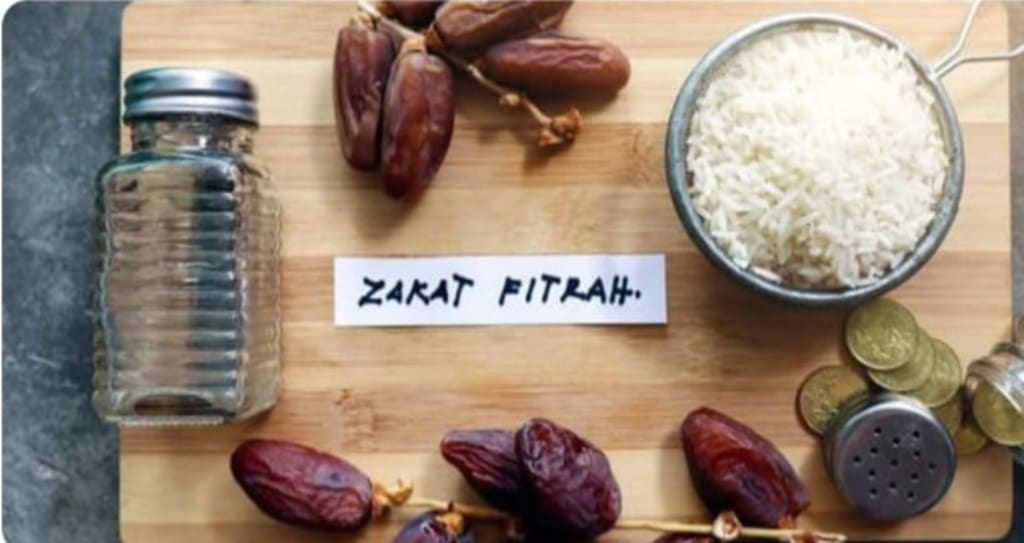
Islamabad: As the holy month of Ramadan approaches, Pakistan’s religious authorities have officially announced the Sadqa-e-Fitr and Fidya amounts for Ramadan 2026, providing clarity for millions of Muslims preparing to observe fasting and fulfill their religious duties. The announcement aims to guide citizens in calculating their charitable obligations in accordance with Islamic principles and prevailing economic conditions.
The decision was finalized after consultations with Islamic scholars, economists, and market experts, taking into account the rising cost of essential food items and inflationary pressures affecting daily life across the country.
Understanding Sadqa-e-Fitr
Sadqa-e-Fitr, also known as Zakat-ul-Fitr, is a mandatory charity paid by Muslims at the end of Ramadan before the Eid-ul-Fitr prayer. It is intended to purify the fast from shortcomings and to help the underprivileged celebrate Eid with dignity.
According to religious guidelines, Sadqa-e-Fitr must be paid on behalf of every family member, including children, and can be given in the form of staple food items or their cash equivalent.
For Ramadan 2026, authorities have announced multiple rates based on commonly consumed food commodities, allowing people to contribute according to their financial capacity.
Official Sadqa-e-Fitr Rates for Ramadan 2026
The minimum Sadqa-e-Fitr amount has been calculated based on the price of wheat, which remains the most affordable staple. However, higher rates have been suggested for those who wish to give according to better-quality food items.
The announced per-person rates are as follows:
Wheat: Minimum rate (for low-income households)
Barley: Moderate category
Dates: Higher contribution level
Raisins: Premium category for affluent individuals
Religious scholars emphasize that those who can afford it should opt for the higher categories to maximize social benefit and support families struggling with food insecurity.
Fidya for Missed Fasts Explained
Fidya is paid by individuals who are unable to fast during Ramadan due to valid reasons such as chronic illness or old age, with no expectation of being able to make up the fasts later. The Fidya amount is equivalent to feeding one needy person for each missed fast.
For Ramadan 2026, the Fidya rates have been aligned with Sadqa-e-Fitr categories, ensuring consistency and fairness.
Scholars clarify that Fidya must be paid for each missed fast separately and should ideally be distributed during Ramadan to support those in need when food expenses are highest.
Rising Costs Influence the New Rates
This year’s announcement reflects growing economic realities. Inflation in food prices has made it increasingly difficult for low-income families to meet basic needs, prompting authorities to reassess charity thresholds.
“The purpose of Sadqa-e-Fitr and Fidya is not symbolic—it is practical,” said a senior religious scholar. “It ensures that no one goes hungry on Eid and that the spirit of Ramadan extends beyond personal worship.”
Economists involved in the consultation process noted that adjusting rates annually is essential to preserve the real value of charitable giving.
Who Is Required to Pay
Sadqa-e-Fitr is obligatory for every Muslim who possesses wealth beyond basic necessities at the time of Eid. Heads of households are responsible for paying on behalf of dependents, including children and elderly family members.
Fidya applies only to those permanently unable to fast. Individuals who miss fasts temporarily due to illness or travel must make up those fasts later and are not required to pay Fidya unless fasting becomes impossible.
When and How to Pay
Religious authorities strongly recommend paying Sadqa-e-Fitr before the Eid-ul-Fitr prayer, as delaying it reduces its spiritual and social purpose. Fidya, on the other hand, may be paid throughout Ramadan.
Charity organizations, mosques, and welfare institutions across Pakistan have already begun collecting funds, offering both cash and food distribution options. Many organizations have also introduced digital payment methods to make contributions easier and more transparent.
Encouraging Responsible Distribution
Scholars have urged citizens to ensure that their contributions reach genuinely deserving individuals. Priority should be given to:
Widows and orphans
Daily wage workers
Elderly individuals without family support
Families facing food insecurity
“Ramadan teaches empathy,” said a community welfare organizer. “These contributions are not just obligations—they are lifelines for millions.”
Public Response and Awareness
The announcement has sparked widespread discussion, particularly on social media, where users are sharing rate breakdowns and encouraging higher contributions. Many citizens have welcomed the clarity, while others have called for greater awareness campaigns to ensure proper understanding of religious rulings.
Religious institutions have announced plans to address the topic in Friday sermons, helping people differentiate between Zakat, Sadqa-e-Fitr, and Fidya.
A Reminder of Ramadan’s True Spirit
As Pakistan prepares for Ramadan 2026, the announcement of Sadqa-e-Fitr and Fidya amounts serves as a reminder that fasting is not only about abstaining from food and drink but also about compassion, generosity, and social responsibility.
In a time of economic hardship, these acts of charity carry even greater significance—bridging gaps, easing suffering, and reinforcing the values of unity and care that define the holy month.
About the Creator
Keep reading
More stories from Ayesha Lashari and writers in Journal and other communities.
Solar Users to Pay Full Electricity Unit Price Under Latest Net-Billing Rule
Islamabad: In a major policy shift aimed at restructuring the country’s power sector, the government has announced a new net-billing mechanism that will require solar energy users to pay the full electricity unit price for power consumed from the national grid. The move replaces the long-standing net-metering system and has sparked widespread debate among consumers, industry experts, and renewable energy advocates.
By Ayesha Lashariabout 8 hours ago in Journal
~ Fired ~
— Ai Intrusion ~ Are you Next ~ Is Ai Evolution after your job? — Few workplaces haven't been affected. Ai is in supermarkets, at doctors' offices, and even monitoring farms. I just can't think of anything this machine is not getting into, can you? For instance: Education ~ Law and Tech jobs will one day have a major influence or be taken over by these inanimate machines, with accuracy and vigor. From mechanics' diagnoses to a wide variety of everyday jobs, including fast food workers, with this input having the ability to cut their unnecessary work hours. I'm certain all of us have been touched by this with our short stories and colorful headings, have you? Even comments are very questionable 'Non-Robot' insertions.
By Jay Kantor9 days ago in Journal
The Hidden Costs of Starting a Rehab Center You Should Prepare For
Introduction Launching a rehabilitation center is often framed as a mission-driven endeavor, yet beneath the altruistic surface lies a dense lattice of concealed expenses. These costs rarely appear in initial projections but exert persistent financial pressure over time. Understanding these fiscal undercurrents is essential for sustainable planning and prudent capitalization. From regulatory intricacies to human capital volatility, the true price of entry extends far beyond bricks and mortar.
By Fida Hassainabout 22 hours ago in Journal
📢 Raise Your Voice Thread: 02/05/2026
Our “Raise Your Voice Threads” are hosted most alternating Thursdays at 12PM ET to offer creators more avenues to uncover exceptional stories on Vocal. As we are continuously searching for fresh creators and inspiring stories, this thread provides an opportunity to exchange and discuss the stories that have moved and motivated us on Vocal.
By Raise Your Voice by Vocal5 days ago in Resources




Comments
There are no comments for this story
Be the first to respond and start the conversation.