
Overcoming Anxiety: The Power of Mindfulness
Finding Peace in the Present: The Benefits of Mindful Living

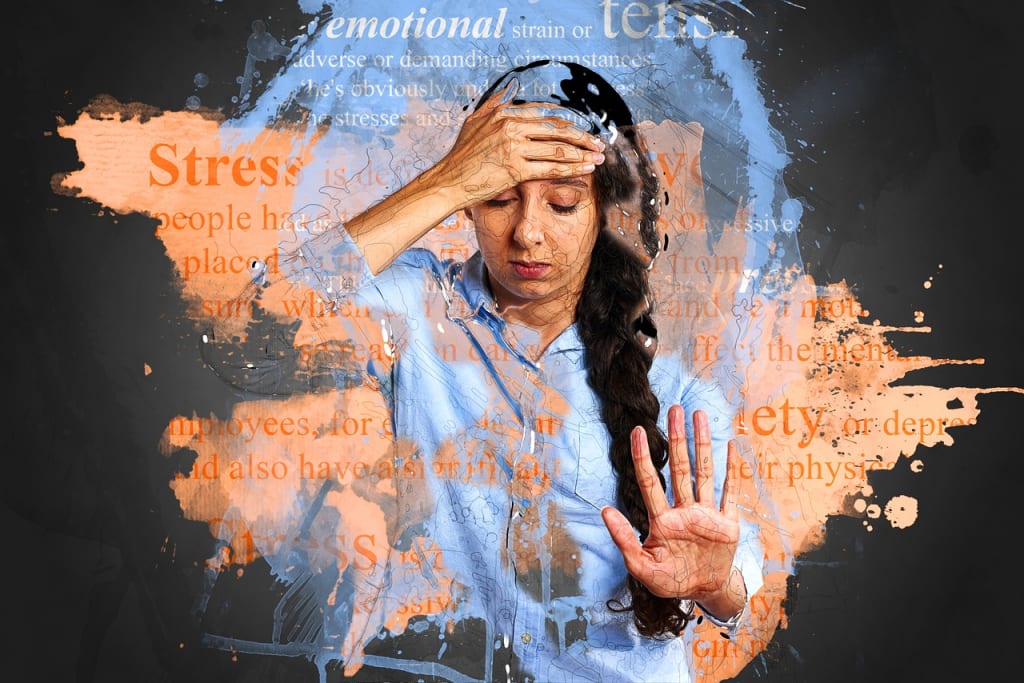
Anxiety is a growing concern for many individuals, with research indicating that more people are seeking support for the condition than ever before. While traditional treatments such as therapy and medication have proven effective for some, mindfulness practices are gaining popularity as a complementary approach for managing anxiety.
So, what exactly is mindfulness and how does it help with anxiety? Mindfulness is the practice of being fully present in the moment, paying attention to one's thoughts, feelings, and bodily sensations without judgment. It is a way of connecting with one's inner self and calming the mind.
Studies have shown that mindfulness practices can have a significant impact on reducing symptoms of anxiety. By bringing awareness to the present moment, individuals with anxiety can break the cycle of worrying about the future and ruminating on past events. Mindfulness allows them to learn how to regulate their emotions and become more resilient in the face of stress.
Incorporating mindfulness into daily life can be as simple as taking a few minutes each day to focus on the breath and become aware of the present moment. Other mindfulness practices such as meditation, yoga, and tai chi have also been shown to be beneficial in reducing symptoms of anxiety.
One of the key benefits of practicing mindfulness is that it is accessible to anyone, regardless of age, religion, or socio-economic status. It can be practiced in the comfort of one's own home, and does not require any special equipment or extensive training.
Mindfulness is not a cure for anxiety, but it can be a valuable tool in managing symptoms. By learning to live in the present moment, individuals with anxiety can develop a greater sense of control over their thoughts and emotions, and lead a more fulfilling life.
One of the most compelling reasons for individuals with anxiety to embrace mindfulness is its potential to rewire the brain. Studies have shown that mindfulness practices can change the structure and function of the brain, leading to a reduction in anxiety symptoms and an increase in overall well-being.
When individuals with anxiety engage in repetitive patterns of worry and fear, they reinforce neural pathways associated with anxiety. Mindfulness, on the other hand, has been shown to increase the activity in the prefrontal cortex, the part of the brain responsible for regulating emotions and controlling thoughts. This increased activity in the prefrontal cortex can help individuals with anxiety to interrupt their anxious thought patterns and regulate their emotions.
Another way that mindfulness can help individuals with anxiety is by reducing physical symptoms of anxiety such as heart palpitations, muscle tension, and difficulty breathing. By focusing on the breath and becoming aware of the present moment, individuals with anxiety can calm their physical response to stress and reduce symptoms of anxiety.
Mindfulness can also help individuals with anxiety to develop resilience, by training the mind to be more adaptable and flexible. When individuals with anxiety become more aware of their thoughts and emotions, they can learn to recognize when their worries are irrational and release them. This ability to "let go" of worries can be a powerful tool for managing anxiety and preventing future episodes.
Incorporating mindfulness into daily life can also have a profound impact on relationships and personal interactions. By being present in the moment and focusing on the present, individuals with anxiety can communicate more effectively with others and experience deeper and more meaningful connections.
In conclusion, practicing mindfulness can be an effective and empowering way for individuals with anxiety to manage their symptoms. With its ability to rewire the brain, reduce physical symptoms, and promote overall well-being, mindfulness is a valuable tool that can help individuals with anxiety to lead a more fulfilling life. Whether through meditation, yoga, or simply focusing on the breath, embracing mindfulness can be a journey towards a brighter future, free from the grip of anxiety
About the Creator
Author’s Advice
If you would’ve asked me 20 years ago did I know I’d become a writer and an author, I would’ve said “nope, ain’t happening”. As fate would have it I did become an author and I can honestly say I’m loving it so far. It really does feel good to be a writer. I’ve learned a lot on this journey and I feel like with even me being as new to this world as I am, there’s some wisdom I need to share with every other aspiring author.
By Joe Patterson2 days ago in Journal
Phuket for first-timers
If you have never been to Phuket, Thailand’s largest island, then there is always the first time. All the information that you seek is right here for you to soak in and let your stay run smoothly. From the best time to visit to how to arrange your activities and what to eat, we have got you covered on all sides during your Phuket stay. Read on find out the stuff to make it happen!
By Jeewanthi Armstrong5 days ago in Journal




Comments
There are no comments for this story
Be the first to respond and start the conversation.